Engineered for high moisture environments, atraumatic removal, and stringent hospital infection control in Malaysia.
The demand for high-caliber Wound Dressing Suppliers & Exporters in Malaysia has reached an unprecedented inflection point. Driven by rapid expansion in Malaysia’s dual-tier healthcare framework—encompassing both Ministry of Health (Kementerian Kesihatan Malaysia - KKM) public tertiary facilities and premier private hospital conglomerates such as IHH Healthcare, KPJ Healthcare, and Ramsay Sime Darby—procurement officers are prioritizing high moisture-vapor transmission rate (MVTR) dressings, silicone-based securement systems, and sterile single-use surgical consumables.
Malaysia’s unique tropical climate presents distinct clinical challenges for tissue viability and wound management. High ambient humidity and ambient temperatures accelerate periwound maceration and microbial proliferation. Furthermore, the epidemiological surge in type 2 diabetes mellitus across Peninsular and East Malaysia has intensified the clinical burden of Diabetic Foot Ulcers (DFUs), venous leg ulcers, and chronic surgical wounds. As a consequence, Malaysian clinical procurement teams require medical consumables engineered with superior breathability, hypo-allergenic adhesive matrices, and dependable ETO sterilization guarantees.
Medical buyers and hospital procurement directors across Kuala Lumpur, Penang, Johor Bahru, and Kuching focus on three non-negotiable pillars: Strict Compliance with Malaysia Medical Device Authority (MDA Act 737) regulations, Biocompatibility (ISO 10993) to eliminate skin tears in humid conditions, and Reliable Direct-from-Manufacturer Supply Chains that mitigate regional stockout risks.
As a global pioneer in disposable medical device manufacturing since 1994, Angiplast Private Limited operates an expansive, state-of-the-art facility featuring controlled injection moulding areas, automated tube extrusion lines, and dedicated Class 10,000 clean rooms. Every product batch undergoes rigorous in-house quality control testing—including tensile strength, fluid delivery accuracy, bioburden testing, and residual ETO analysis—ensuring seamless compliance for international hospital tenders.

How specialized wound dressings, catheter fixations, and medical disposables address local clinical demands.
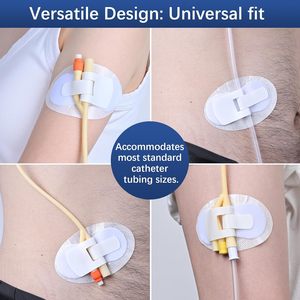
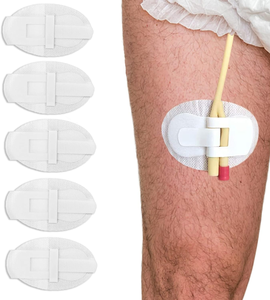
In high-density medical centers like Hospital Kuala Lumpur (HKL) and University Malaya Medical Centre (UMMC), high patient turnover requires rapid, reliable tube stabilization. Self-adhesive Foley catheter stabilization devices and clear polyurethane film dressings eliminate mechanical traction on vulnerable urethral tissue, reducing postoperative catheter-associated complications and hospital-acquired infections.
Public health clinics (Klinik Kesihatan) managing chronic diabetic foot ulcers across Selangor, Perak, and Johor demand cost-effective, high-absorption dressing retention solutions. Breathable non-woven adhesive fixation sheets provide secure retention over primary dressings without causing medical adhesive-related skin injuries (MARSI) during frequent dressing changes.
Malaysia's average annual relative humidity exceeding 80% often leads to sweat accumulation beneath standard medical tapes, weakening adhesion and harboring bacterial growth. Our specialized hypoallergenic acrylic and soft silicone adhesive formulations maintain structural integrity against moisture, preventing premature dressing detachment.
As Malaysia advances its position as a regional hub for medical tourism—attracting patients across ASEAN to centers in Penang and Melaka—the standards for clinical consumables have elevated significantly. Key structural trends include:
Traditional rigid adhesive tapes are rapidly being replaced by medical-grade silicone catheter securement stickers and flexible film dressings. Clinical staff in Malaysian private facilities favor silicone adhesives due to their gentle peel force, which protects fragile geriatric skin and pediatric patients from epidermolysis and painful skin stripping.
The Malaysian Medical Device Authority (MDA) requires rigorous technical documentation, including ISO 13485 certification, biocompatibility evaluation reports (ISO 10993 series), and validated sterilization reports. Direct manufacturers who provide complete technical construction files (TCFs) streamline the import registration process for Malaysian distribution partners.
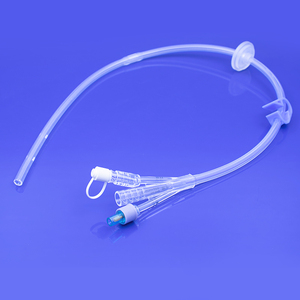
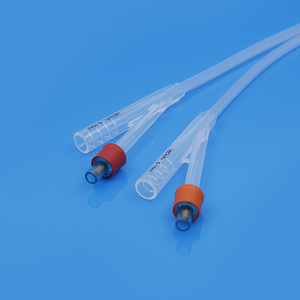
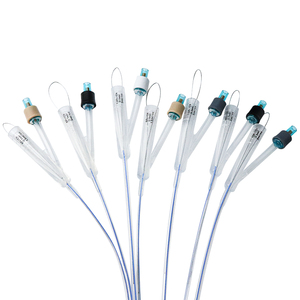
To combat antimicrobial resistance (AMR) in hospital wards, infection control committees across Malaysia are mandating 100% silicone Foley catheters with integrated stabilization locks and needle-free infusion valves. These closed-system designs prevent environmental contamination and extend indwelling catheter wear times safely.
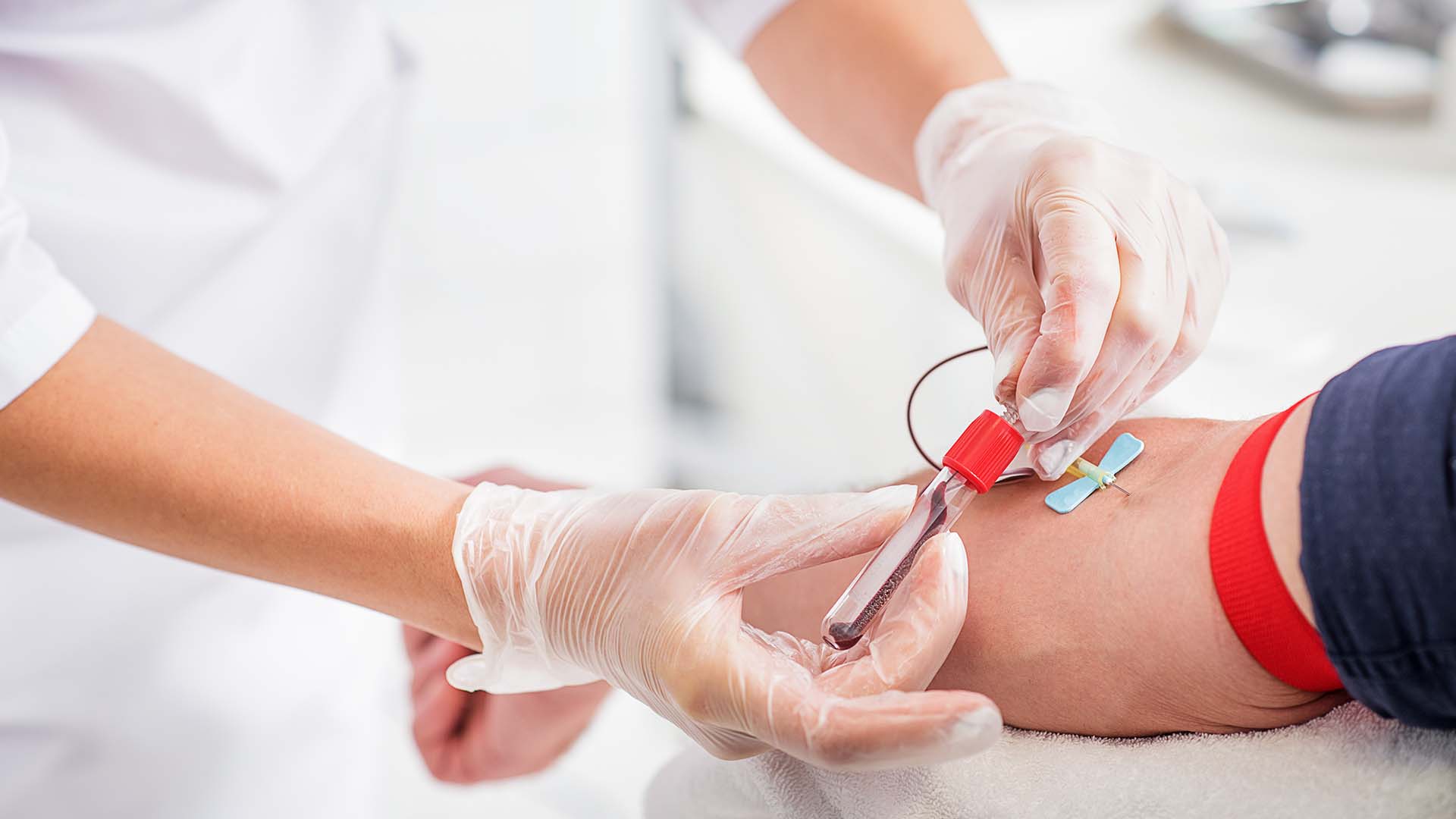
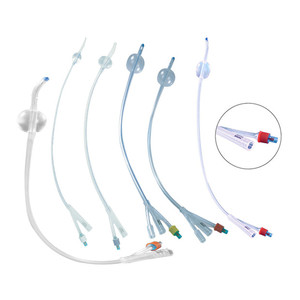
Our comprehensive catalog of medical disposables—spanning urology catheters, PEG securement stickers, wound care retention sheets, and infusion sets—is manufactured under strict compliance with international medical engineering standards.
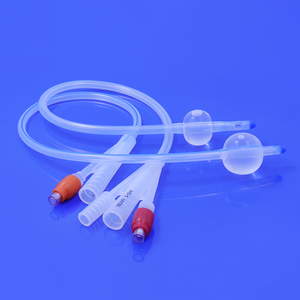
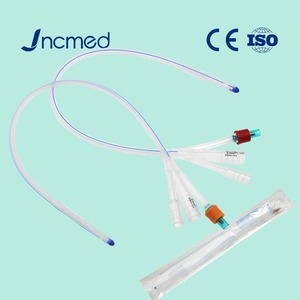
Every silicone catheter is crafted from 100% biocompatible elastomer, preventing latex-induced urethral strictures. The balloon inflation channel is precision-moulded for uniform expansion, minimizing the risk of premature rupture or asymmetrical deflation within the urinary bladder.
Furthermore, our self-adhesive tube stabilization devices incorporate breathable, non-woven backing matrices coated with solvent-free hypoallergenic pressure-sensitive adhesive (PSA). This delivers high initial tack alongside sustained holding power under humid tropical conditions.
Combining 30 years of manufacturing mastery with flexible international contract manufacturing (OEM/CDMO).
ISO 13485 QMS certified production facilities. Every export batch comes with full lot-level traceability, physical test reports, bioburden certificates, and CE conformity documentation ready for MDA submission.
Custom design capabilities for specialized wound dressings, private-label branding, customized pouch printing, multi-lingual instructions for use (IFU), and unique kit configurations tailored for hospital tenders.
Over 80% of total factory volume is exported globally. Our dedicated export logistics team coordinates FCL/LCL ocean container shipments directly to Port Klang and Penang Port with optimized palletization.
