Engineered for high-volume hospital requirements, reducing risk of Medical Adhesive-Related Skin Injuries (MARSI) and catheter displacement in intensive care, urology, and surgical wards.
The Republic of Chile presents one of the most sophisticated healthcare procurement environments in Latin America. Operating under a dual system—split between the public FONASA (Fondo Nacional de Salud) covering approximately 78% of the population and private ISAPRES (Instituciones de Salud Previsional) serving specialized urban segments—the nation's healthcare network imposes stringent regulatory and operational requirements on imported single-use medical devices. For B2B buyers, institutional distributors, and tender participants supplying the CENABAST (Central de Abastecimiento del Sistema Nacional de Servicios de Salud) central purchasing authority, establishing direct supply chains with certified OEM/CDMO medical device manufacturers is vital for maintaining margin integrity and compliance.
Chile’s epidemiological profile has shifted rapidly toward chronic disease management, heavily driving demand for specialized wound care dressings, catheter securement devices, and continuous drainage disposables. According to data from the Chilean Ministry of Health (MINSAL), adult diabetes prevalence has reached approximately 12.3%, placing severe pressure on public hospital networks for advanced management of Diabetic Foot Ulcers (DFU), pressure injuries, and chronic venous leg ulcers. Simultaneously, post-operative surgical volume across Santiago metropolitan hubs—such as Hospital San Borja Arriarán, Hospital del Salvador, and Clinic Las Condes—demands ultra-low-trauma stabilization technologies to prevent Catheter-Associated Urinary Tract Infections (CAUTI) and secondary mechanical tissue trauma.
Direct compliance with Public Procurement Law 19.886. Our export dossiers provide full batch traceability, free sale certificates, and validated ETO sterilization parameters aligned with CENABAST tender specs.
We supply comprehensive technical documentation required by the Instituto de Salud Pública (ISP) under Supreme Decree 825/188, accelerating medical device entry for Chilean importers.
Tropical-grade medical packaging designed to withstand long ocean transits to the Port of Valparaíso and Port of San Antonio without compromising seal integrity or sterility status.
Securing enteral tubes, urinary catheters, and post-surgical drainage lines requires medical-grade skin contact materials that balance high shear retention with painless removal. Below is an evaluation of our primary device portfolio supplied to Chilean healthcare providers:
| Product Category | Material Composition | Key Clinical Features | Primary Chilean Care Application | Compliance Standards |
|---|---|---|---|---|
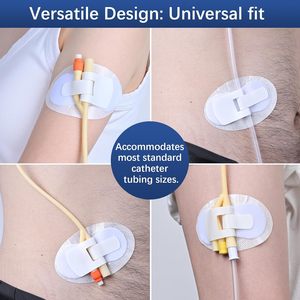
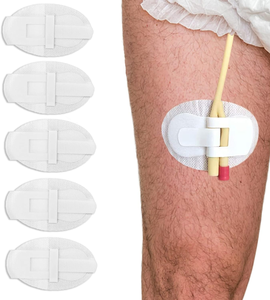
| Catheter Stabilization Device | Breathable non-woven substrate + Medical Hypoallergenic Acrylic/Silicone Adhesive | Locking retention tab, mechanical pull resistance, 7-day wear time, zero residual residue | ICU & Geriatric units preventing accidental extubation & urethral trauma | ISO 10993, CE Mark, ISO 13485 |
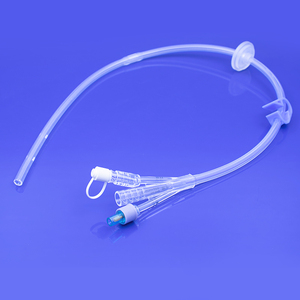
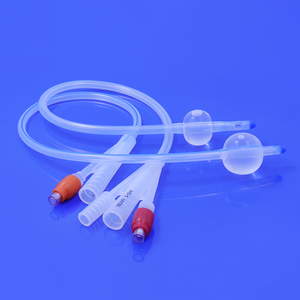
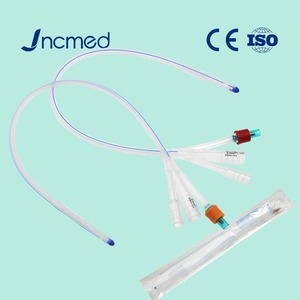
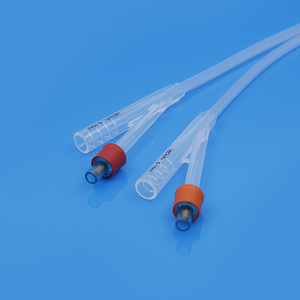
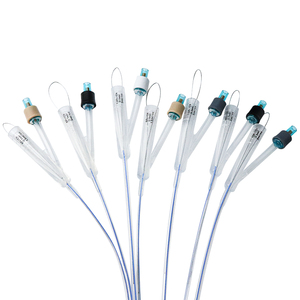
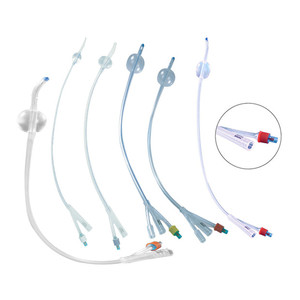
| 100% Silicone Foley Catheter (2-Way/3-Way) | 100% Medical-Grade Liquid Silicone Rubber (LSR) | Symmetrical balloon expansion, radio-opaque line, ultra-smooth tip, enlarged drainage lumen | Urology surgical suites, long-term catheterization in FONASA hospital networks | CE, US FDA 510(k), ISO 13485 |
| Pediatric Silicone Foley Catheter | Soft elastomeric silicone with rigid guide wire (optional) | 6Fr–10Fr sizing, atraumatic distal eyes, calibrated balloon inflation volume | Pediatric intensive care units (PICU) across regional Chilean referral centers | ISO 10993 Biocompatibility |
| Multi-Tube Fixation Stickers (PEG/G-Tube) | Hydrocolloid / Micro-porous adhesive film with flexible hook-and-loop clamp | Universal tube diameter adjustment, sweat-resistant, skin moisture management | Homecare sub-acute networks & regional rehabilitation centers in Chile | CE Certified, ETO Sterile |
Medical supply distribution in Chile requires an understanding of regional environmental and clinical variations. Our products are optimized for deployment across Chile's geographically diverse care environments:
Environment: High-density public/private tertiary care hospitals managing heavy emergency surgical workloads.
Clinical Focus: High turnover of 3-way silicone Foley catheters for continuous bladder irrigation following transurethral resection. Self-adhesive securement stickers are essential for reducing nurse intervention times and lowering hospital-acquired infections (HAIs).
Environment: Extreme arid climate, high altitude particulate dust, and industrial trauma centers.
Clinical Focus: Heavy requirement for breathable, dust-impermeable securement dressings for drainage tubes and Foley catheters. Adhesives must maintain tack under dry skin conditions without tearing fragile epidermal layers during removal.
Environment: Humid, temperate zones (Concepción, Valdivia, Puerto Montt) with extensive home care programs.
Clinical Focus: Long-term urinary catheterization devices with self-adhesive leg bag holders. Designed for extended wear in home-care settings, mitigating skin maceration under high moisture conditions.
The Chilean medical device market is undergoing rapid modernization driven by strict regulatory updates and a move toward advanced wound and catheter management technologies. Importers and hospital buyers must align with several trends:
Chilean health authorities and hospital infection control committees are actively phasing out conventional latex catheters in favor of 100% silicone variants. Silicone eliminates latex-induced tissue irritation, reduces mucosal inflammation, and supports up to 30 days of continuous dwell time, significantly reducing long-term treatment costs for FONASA.
Medical Adhesive-Related Skin Injuries (MARSI) represent a significant unaddressed cost in intensive care units across Santiago and regional centers. Healthcare providers are shifting from rigid medical tapes to engineered stabilization stickers featuring silicone adhesives and mechanical locking clips, decreasing skin tearing risks by over 70%.
All public hospital procurement in Chile flows through the Mercado Público portal managed by ChileCompra. B2B suppliers securing contract awards must present complete technical dossiers—including ISO 13485 certificates, biocompatibility test results, and validated shelf-life testing—to pass preliminary technical evaluations.
With over three decades of medical polymer processing experience, our production facility combines automated precision injection molding, Class 10,000 cleanroom assembly, and complete in-house sterilization validation to support high-volume export contracts.
Molding, extrusion, and pouch packaging are conducted under strict particle and bioburden control to guarantee initial sterility prior to ETO processing.
In-house industrial ETO sterilization chambers allow precise cycle control, complete residual gas aeration, and full batch release validation.
Custom OEM packaging artwork, instructions for use (IFU) in Spanish, GS1-compliant Unique Device Identification (UDI) barcodes ready for Chilean customs entry.

Key operational, regulatory, and commercial answers for hospital procurement officers and medical wholesalers in Chile.
Expand your Chilean medical supply portfolio with high-margin, clinically proven wound dressings, Foley catheter securement devices, and silicone urinary catheters. Contact our international export desk for direct quotes and technical samples.
