TGA-Compliant, ISO 13485 Certified Medical Solutions Engineered for Australian Clinical Benchmarks
The Greater Melbourne healthcare landscape—encompassing premier public health networks under HealthShare Victoria (HSV), expansive private hospital groups such as Epworth, St Vincent's, and Ramsay Health Care, as well as an escalating sector of aged care and domiciliary NDIS providers—demands an uncompromised standard of medical consumables. As acute hospitals and community care facilities navigate post-pandemic supply chain vulnerabilities, procurement executives and clinical nurse specialists are increasingly auditing the origin, material science, and regulatory compliance of critical wound dressings, securement devices, and urological catheters.
Evaluating a Wound Dressing Factory & Supplier for the Melbourne market involves looking far beyond unit cost. It requires a rigorous assessment of raw material purity, biocompatibility standards under ISO 10993, resistance to Medical Adhesive-Related Skin Injury (MARSI), and seamless integration into Australian Therapeutic Goods Administration (TGA) regulatory frameworks. This document provides an exhaustive technical analysis of medical-grade silicone elastomers, adhesive securement dynamics, catheter inflation stability, and contract manufacturing (CDMO/OEM) paradigms designed to empower Victorian medical distributors and clinical buyers with actionable information gain.
Clinical Insight for Victorian Healthcare Networks: Chronic wound management in Victoria accounts for significant annual expenditure across public healthcare networks. Transitioning to integrated silicone-based tube securement and atraumatic 100% silicone urinary catheters reduces secondary trauma, lowers Catheter-Associated Urinary Tract Infections (CAUTIs), and cuts down overall nursing intervention hours.
Full technical dossiers, bioburden reports, and ETO sterilisation validation tailored for Australian Register of Therapeutic Goods (ARTG) sponsor inclusion.
Medical-grade liquid silicone rubber (LSR) offering non-reactive tissue contact, zero phthalates, and high tensile flexibility for sensitive patient skin.
Breathable, hypoallergenic acrylic and hydrocolloid adhesive matrices designed for long-term securement without epidermolysis upon removal.
The performance of clinical disposables relies directly on polymer purity and precision molding processes. Traditional latex or low-grade PVC catheters and rigid tape securements present elevated risks of cytotoxic reaction, tissue inflammation, and lumen collapse. In response to modern urological and wound care protocols across Australia, our manufacturing infrastructure utilizes exclusively medical-grade thermosetting silicone and skin-friendly polyurethane (PU) formulations.
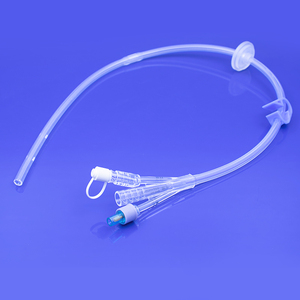
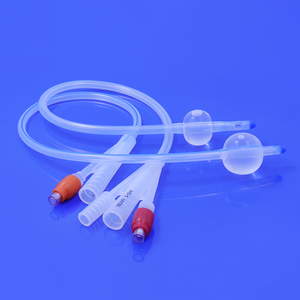
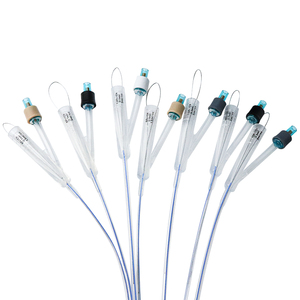
In catheterization, 100% translucent silicone catheters provide distinct bio-functional advantages over latex alternatives. Latex catheters suffer from solute absorption, leading to lumen encrustation, balloon deformation, and mucosal cytotoxicity. Conversely, medical-grade silicone exhibits an inert chemical structure with hydrophobic surface properties. This inhibits microbial biofilm adhesion (a primary cause of CAUTI) and prevents salt precipitation within the drainage channel.
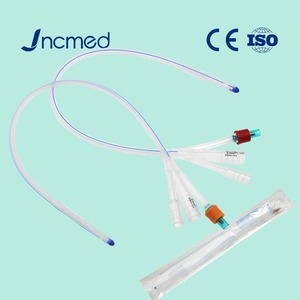
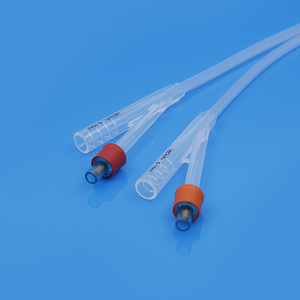
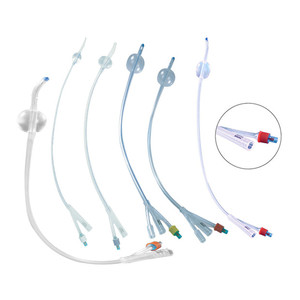
Furthermore, our 3-Way and 2-Way Foley Catheters incorporate symmetrical, high-retention balloons engineered to withstand continuous hydrostatic pressure without micro-fissuring or eccentric deflation. The smooth, hand-finished eyes feature polished bevels to minimize urothelial irritation during insertion and extraction, ensuring optimal comfort in acute and aged care environments across Melbourne.
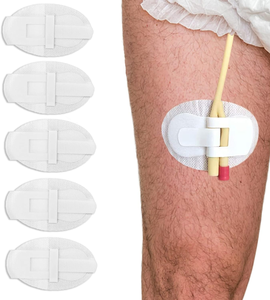
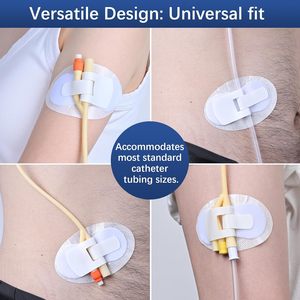
Unplanned extubation or traction-induced tissue trauma represents a major secondary complication in hospital wards. The Foley Catheter Stabilization Device Self Adhesive Urinary Leg Bag Holder Sticker utilizes a dual-layer securement technique:
| Performance Parameter | Standard Commercial Grade | Angiplast Clinical Grade (OEM/Export) | Impact on Victorian Healthcare Providers |
|---|---|---|---|
| Primary Material | Latex / Plasticized PVC | 100% Medical Silicone / Breathable PU | Zero latex-allergy risk; minimal tissue reactivity. |
| Cleanroom Manufacturing | Uncertified Ambient Air | Class 10,000 (ISO 14644-1) Controlled Area | Ultra-low baseline bioburden prior to final sterilization. |
| Sterilization Validation | Basic Batch Processing | Validated In-House ETO (ISO 11135) | Guaranteed Sterility Assurance Level (SAL 10⁻⁶). |
| Adhesive Safety (MVTR) | < 800 g/m²/24h (Occlusive) | > 3200 g/m²/24h (High Permeability) | Dramatically reduced risk of MARSI and skin breakdown. |
| TGA Technical Dossier Support | Basic Data Sheet Only | Complete Technical File & Device Master File (DMF) | Accelerated ARTG listing for Australian importers. |
Supply chain requirements differ significantly between high-volume trauma centers, sub-acute rehabilitation facilities, and home healthcare schemes. Customizing products for these distinct clinical workflows is essential for reliable long-term supply relationships.
In major public teaching hospitals (such as The Royal Melbourne Hospital, The Alfred, or Monash Medical Centre), urological surgeries and post-operative bladder irrigation require high-volume 3-Way Silicone Foley Catheters. The dedicated irrigation lumen permits continuous bladder washouts with sterile saline, clearing blood clots and debris efficiently without requiring lumen collapse or manual aspiration. Coupled with high-capacity drainage systems and secure stabilization patches, these devices maintain sterile integrity across complex, multi-day post-op regimens.
Victoria's residential aged care sector faces ongoing challenges regarding skin frailty and chronic retention management. Fragile skin among elderly residents is vulnerable to tearing from conventional adhesive tapes. The self-adhesive leg bag holder and catheter securement sticker distribute pull-forces across a wide surface area. The skin-friendly adhesive removes cleanly without stripping the stratum corneum, supporting home nursing teams and care staff in maintaining patient dignity and skin integrity.
Pediatric catheterization demands extremely low insertion torque, smooth shaft geometry, and precise retention volumes. Our Pediatric 2-Way and 3-Way 100% Silicone Foley Catheters (available down to 6Fr) feature calibrated balloons (3cc to 5cc) that prevent trigone irritation and urethral spasms in young patients. Each batch undergoes rigorous leak and inflation testing to ensure complete reliability during delicate pediatric procedures.
Operating from our centralized production hub established in 1994, Angiplast Private Limited has developed a vertically integrated manufacturing system spanning over 30 years of operational refinement. For Australian medical brand owners and Victorian distributors seeking private-label manufacturing, our facility functions as an immediate extension of your engineering and regulatory teams.
Contamination control forms the core of our quality management system. Raw polymer compounding, injection molding, extrusion, liquid silicone curing, high-frequency welding, and primary pouch packaging take place inside certified Class 10,000 (ISO Class 7) cleanroom environments. All production steps are overseen by specialized QA/QC technicians.
Our facility houses a dedicated, fully validated Ethylene Oxide (ETO) sterilization plant operating under ISO 11135 guidelines. Automated control of gas concentration, humidity, temperature, and exposure cycles guarantees complete gas penetration through porous packaging materials, leaving residual levels well below EN ISO 10993-7 thresholds.
To support Australian B2B buyers participating in HSV or private hospital group tenders, we offer fully customizable packaging configurations:
The Australian medical device sector is undergoing structural changes driven by environmental sustainability mandates, supply chain diversification, and stricter regulatory oversight under the TGA's updated framework for medical devices. Importers and hospital procurement managers in Melbourne must consider several key industry shifts:
Recent global logistics interruptions highlighted the risk of relying on single-country supply channels. Australian distributors are increasingly building resilient, multi-tiered supply partnerships with established manufacturers who maintain full control over raw material sourcing and primary manufacturing.
Victorian health services are actively prioritizing environmental sustainability. Traditional PVC devices containing DEHP or other dangerous plasticizers are being phased out in favor of eco-friendly, recyclable, and inert materials. By transitioning to 100% silicone catheters and solvent-free PU securement devices, health networks can minimize hazardous waste incinerations and align with clinical safety standards.
Direct Answers to Regulatory, Technical, and Commercial Inquiries
Request technical specifications, sample kits, or factory-direct B2B quotations for the Melbourne and broader Victorian healthcare market.
Get a Quote