Precision-engineered, ISO 13485 certified, and CE-marked single-use medical consumables ready for South Korean institutional procurement.
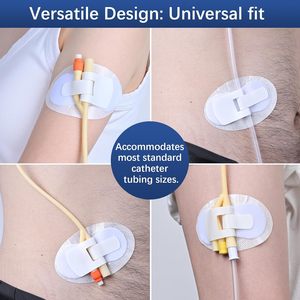
Medical-grade hypo-allergenic securement device designed to reduce urethral traction, preventing movement skin tears and accidental displacement during long-term care.
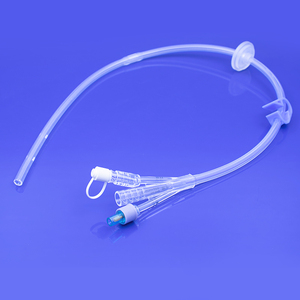
Biocompatible silicone elastomeric construction with large oval eyes for maximum continuous irrigation efficiency in post-operative urological surgeries.
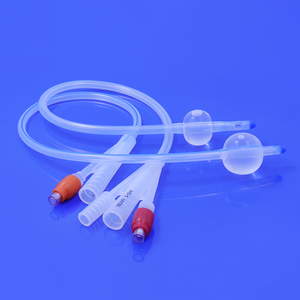
Factory-direct OEM silicone catheters featuring ultra-smooth tip geometry, symmetrical inflation balloon, and color-coded valves for rapid size identification.
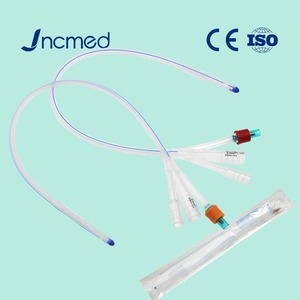
Complete closed-system catheterization tray designed to lower catheter-associated urinary tract infections (CAUTI) in intensive care units.
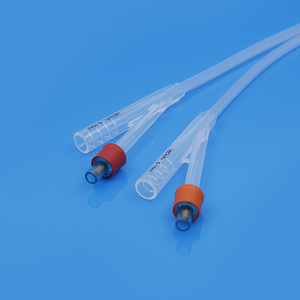
Translucent catheter shaft enabling full visual inspection of fluid dynamics with radiopaque line for precise X-ray positioning verification.
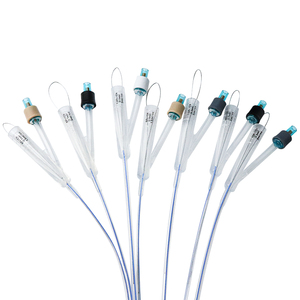
Comprehensive sizing spectrum catering to pediatric, adult female, and male urological requirements, offering non-reactive tissue response.
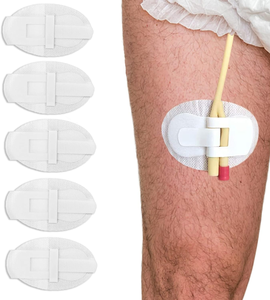
Engineered clip locking mechanims for tube stabilization, reducing patient discomfort and mechanical friction against sensitive mucosal surfaces.
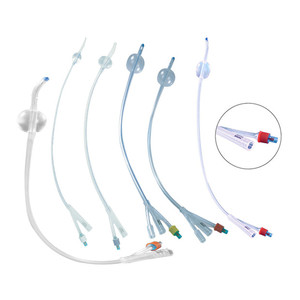
Atraumatic distal end with extra soft silicone formulation specifically engineered for delicate pediatric urology and neonatal applications.
The metropolitan area of Seoul, South Korea, represents one of Asia's most sophisticated and demand-intensive healthcare hubs. Anchored by world-renowned medical institutions such as Asan Medical Center, Severance Hospital, Samsung Medical Center, and Seoul National University Hospital (SNUH), the city's clinical requirements for single-use respiratory consumables—specifically nasal oxygen cannulas and airway management devices—demand an uncompromised convergence of polymer biocompatibility, physiological comfort, and rigorous regulatory compliance under South Korea's Ministry of Food and Drug Safety (MFDS, formerly KFDA).
As South Korea officially transitions into a hyper-aged society, where individuals aged 65 and older exceed 20% of the total population, the demand for long-term oxygen therapy (LTOT), post-acute respiratory rehabilitation, and high-flow nasal cannula (HFNC) non-invasive oxygen delivery systems has surged exponentially. For medical device importers, B2B procurement officers, and hospital purchasing syndicates operating within Seoul and the broader Gyeonggi province, sourcing from top-tier nasal cannula manufacturers requires evaluated verification of raw material purity, anti-kinking inner lumen architecture, and continuous ETO sterilisation batch reliability.
Core Insight for Korean Medical Importers: Sourcing high-grade medical disposables demands manufacturers with verified ISO 13485 QMS certification, DEHP-free vinyl or medical LSR (Liquid Silicone Rubber) formulations, and complete Technical File support for seamless MFDS Class II medical device registration.
Modern oxygen therapy is no longer viewed as a simple passive gas transport process. Clinical studies conducted in respiratory ICUs across Seoul highlight that patient compliance, skin integrity over the malar region, and mucosal hydration are directly governed by the physical design parameters of the nasal cannula. Top international manufacturing partners supplying Seoul implement advanced polymer engineering to address critical clinical pain points:
Features a six-channel inner star lumen configuration ensuring uninterrupted oxygen flow even when the tubing is severely bent, twisted, or accidentally crushed by hospital bed rails.
Curved, pliable nasal prongs moulded from ultra-soft medical vinyl or liquid silicone rubber match natural nasal cavity anatomy, significantly reducing contact pressure on delicate nasal septal mucosa.
100% compliant with REACH, RoHS, and MFDS chemical safety directives, preventing plasticizer leaching into humidified oxygen gas streams delivered to neonatal and geriatric patients.
Understanding the localized healthcare deployment patterns in Seoul is essential for establishing resilient medical device supply chains. Sourcing managers must align product technical specifications with the operational requirements of distinct healthcare settings across the metropolitan territory:
Seoul's tier-3 medical complexes operate high-capacity Intensive Care Units (ICUs), Emergency Medical Services (EMS), and specialized Pulmonology wards. In these settings, high-flow and low-flow nasal cannulas are continuously integrated with mechanical ventilators, central pipeline oxygen supply outlets, and precision flowmeters. Demand centers around sterile-packaged, high-flow rated cannulas with universal funnel connectors capable of maintaining seal integrity under flow rates ranging from 1 to 6 LPM for low-flow models and up to 60 LPM for specialized high-flow respiratory support systems.
Surrounding the Seoul core, sub-acute nursing facilities and long-term care hospitals require durable, skin-friendly nasal cannulas suited for continuous multi-day oxygen administration. Geriatric patients exhibit heightened susceptibility to pressure injuries behind the ears and around the nostrils. Manufacturers supplying these facilities prioritize soft over-the-ear tubing sleeves, adjustable slide-rings for secure stabilization without excessive facial tension, and cost-effective bulk cleanroom packaging options.
Supported by South Korea's National Health Insurance Service (NHIS) reimbursement policies, home oxygen therapy for Chronic Obstructive Pulmonary Disease (COPD) and pulmonary fibrosis patients has expanded rapidly. Home-care oxygen cannulas must feature extra-long star-lumen extension lines (7ft to 25ft) with standard non-flare or flared prongs, allowing mobility within residential spaces while preventing accidental flow occlusion.
To aid procurement engineers in benchmarking supplier standards, the following quantitative comparative analysis details key clinical parameters across different oxygen delivery disposable categories:
| Performance Metric | Ultra-Soft Star-Lumen Cannula | Standard PVC Nasal Cannula | Venturi Oxygen Mask System |
|---|---|---|---|
| Target Oxygen Flow Range | 1 – 6 LPM (Low Flow) / Up to 60 LPM (HFNC) | 1 – 5 LPM | 2 – 15 LPM (Controlled FiO2) |
| Lumen Anti-Kink Protection | 6-Channel Inner Star Lumen (Zero Occlusion) | Standard Smooth Bore (Kink Risk) | Standard Single Bore Tubing |
| Malar & Septal Skin Shear Rate | Extremely Low (< 2.1% Contact Rash) | Moderate (Requires foam padding) | High (Pressure on bridge of nose) |
| Material Biocompatibility | 100% DEHP-Free / Medical Grade Silicone option | Standard Plasticized PVC | Standard Medical PVC |
| Acoustic Noise Level at 4 LPM | Quiet Diffused Flow (< 32 dB) | Standard Jet Flow (> 45 dB) | High Turbulence Noise (> 52 dB) |
| Sterilization Validation | ETO Sterilized to SAL 10^-6 Standard | ETO / Gamma Available | ETO Sterilized |
Entering or expanding market share within Seoul's medical device supply chain demands strict alignment with evolving industry trends and state regulatory frameworks enforced by the Ministry of Food and Drug Safety (MFDS):
1. MFDS Class II Registration & Technical File Preparation: Imported nasal cannulas and disposable respiratory accessories fall under Class II medical device regulation in South Korea. Overseas factories must provide detailed device master files (DMF), biological evaluation reports conforming to ISO 10993 (cytotoxicity, sensitization, intracutaneous reactivity), ethylene oxide residual testing data (ISO 11135), and accelerated shelf-life stability studies (ISO 11607).
2. Eco-Friendly & Sustainable Hospital Procurement (ESG Standards): Leading medical centers in Seoul are enacting green hospital procurement guidelines. Distributors actively seek manufacturers using recyclable packaging materials, reduced outer box volumes to lower carbon footprint during ocean container freight to Incheon or Busan ports, and phthalate-free, non-chlorinated medical polymers.
3. Smart Supply Chain Integration & UDI Barcoding: South Korea enforces Unique Device Identification (UDI) system tracking for medical devices. Foreign manufacturing partners must support GS1-128 barcoding standards on primary pouches, inner shelf boxes, and shipper cartons to allow direct ERP inventory scanning upon warehouse entry in Seoul.
With over three decades of dedicated medical polymer extrusion, injection moulding, and cleanroom assembly expertise, our manufacturing partner—Angiplast Pvt. Ltd.—stands as a premier international producer of single-use medical devices serving clients across 52+ countries.
All product assembly, pouch sealing, and packaging are conducted inside strictly monitored Class 10,000 (ISO Class 7) controlled environments to maintain pristine initial bioburden counts.
Equipped with an advanced tool room and R&D laboratory, offering rapid turn-around for custom OEM branding, custom tubing lengths, specialized connector configurations, and private label packaging.
Captive Ethylene Oxide (ETO) sterilisation chambers execute fully validated processing cycles, providing documented proof of Sterility Assurance Level (SAL 10^-6) and low chemical residuals.
Partner with a globally recognized ISO 13485 certified manufacturer for high-volume nasal cannulas, urological catheters, and specialized medical disposables. Request technical drawings, factory pricing, and OEM collaboration proposals today.
Inquire Now