Sales: +91 9099 928 652 [email protected] Mon – Sat : 10:00 AM – 07:00 PM (IST)
Algeria Medical Market Brief 2026

Suction Liner Manufacturers & Suppliers in the Algeria Market

Technical Industry Whitepaper on High-Efficiency Bio-Fluid Containment Systems, Localized Clinical Implementations, and Strategic Bulk Procurement for Algerian Healthcare Networks

Featured Medical Consumables & Suction Catheter Portfolio

Precision-engineered disposable urology, fluid collection, and airway securement devices certified for hospital deployment across Algeria.
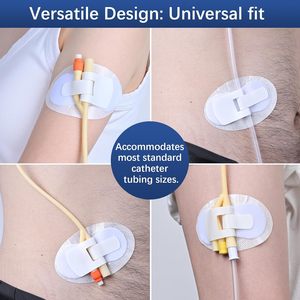
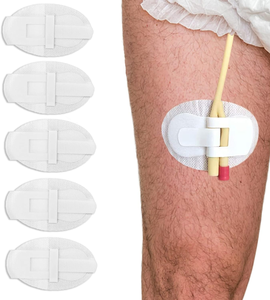
Foley Catheter Stabilization Device Self Adhesive Urinary Leg Bag Holder Sticker PEG/G/Feeding Tube Tube Securement
Foley Catheter Stabilization Device Self Adhesive Leg Holder
Medical-grade hypoallergenic skin attachment device for enteral and urethral catheter stabilization in intensive care setups.
Get Catalog
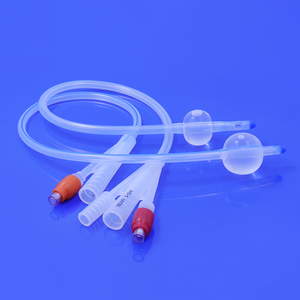
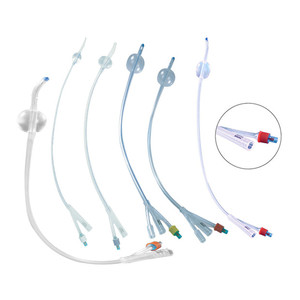
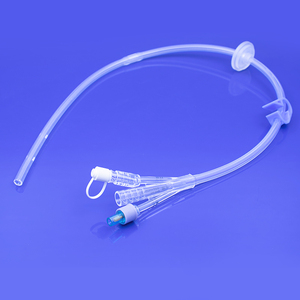
2026 Hot Sale New Design Customized Three Way Silicone Foley Catheter Disposable 3-Way Balloon Urinary Catheters
3-Way Disposable Silicone Foley Balloon Catheter
100% biocompatible medical silicone catheter featuring symmetrical balloon expansion and smooth irrigation channels.
Get Catalog
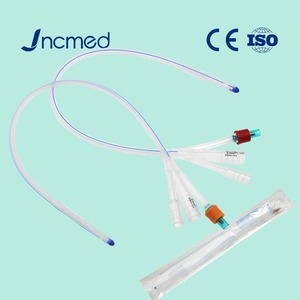
Medical Consumables 2-Way 3-Way 4-Way Silicone Foley Catheter Factory Price Disposable Silicone Urinary Catheters
Multichannel Silicone Foley Catheter Series (2/3/4-Way)
Factory-direct medical catheters engineered for continuous bladder irrigation and post-operative urological drainage.
Get Catalog
3 Way Foley Catheter Sizes Foley Catheter Kit Urinary Catheter
Complete Clinical Foley Catheter Kit with Drainage Accessories
Sterile, ready-to-use urology care package including multi-way catheter, insertion lubrication, and collection accessories.
Get Catalog
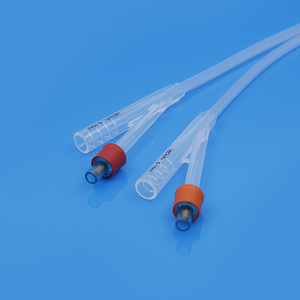
Medical Supply Urinary Catheter Manufacturer Good Quality Disposable Sterile Two-way Silicone Foley Catheters For Hospital Use
Hospital-Grade 2-Way Sterile Silicone Foley Catheter
Flexible, clear-shaft catheter designed to minimize encrustation and tissue trauma during extended catheterization.
Get Catalog
Two-Way Silicone Foley Catheter Disposable Sterile Urethral Catheter 6Fr-24Fr for Hospital Urology Use
Pediatric & Adult Urethral Catheter Range (6Fr-24Fr)
Comprehensive French size range with color-coded valves for rapid identification in acute surgical wards.
Get Catalog
Medical Disposable Foley Catheter Fixation Device With CE,ISO
CE & ISO Certified Foley Catheter Fixation System
Engineered retention pad utilizing medical acrylate adhesives to prevent catheter traction and urethral tearing.
Get Catalog
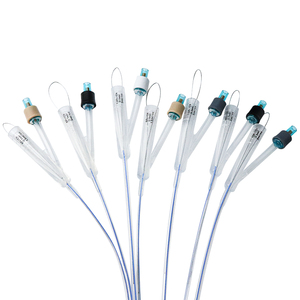
Factory Price Medical 2-Way or 3-way Disposable Medical 100% Silicone Foley Catheter for Pediatric
Pediatric Specialty 100% Silicone Foley Catheter
Ultra-soft, low-profile balloon catheter tailored specifically for pediatric intensive care and neonatal drainage.
Get Catalog
30+
Years Manufacturing Excellence
52+
Global Export Markets Served
ISO 13485
Audited Quality Management
Class 10,000
Clean Room Production Facilities

1. Executive Summary & Market Landscape: Medical Suction Liners in Algeria

The People’s Democratic Republic of Algeria represents one of the largest medical device markets in North Africa. Driven by sustained public healthcare infrastructure investments under the Ministry of Health, Population and Hospital Reform (Ministère de la Santé, de la Population et de la Réforme Hospitalière - MSPRH), Algerian healthcare providers are modernizing clinical fluid waste collection systems. Medical suction liners—disposable, flexible fluid containment bags integrated into rigid reusable canisters—have emerged as essential infection control barrier systems across operating theaters (OT), intensive care units (ICU), emergency departments, and outpatient surgical centers.

Historically reliant on open liquid waste handling or traditional non-disposable glass/polycarbonate bottles, Algerian public hospital networks (such as CHU Mustapha Pacha in Algiers, CHU Oran, and CHU Constantine) are transitioning toward closed suction liner systems to adhere to strict WHO biosafety protocols. This whitepaper analyzes the structural demand drivers for suction liners in Algeria, technical specifications required for localized hospital environments, regulatory pathways under the National Agency for Pharmaceutical Products (ANPP - Agence Nationale des Produits Pharmaceutiques), and strategic supply insights for medical equipment importers and hospital procurement directors.

Information Gain Key Insight: Modern closed suction liner systems eliminate airborne aerosol transmission during fluid evacuation, reducing healthcare-associated infections (HAIs) by up to 34% in high-volume surgical suites across Algerian clinical centers.

2. Technical Engineering & Biological Safety Specifications

A medical suction liner is not merely a plastic bag; it is a precision fluid-isolation system subjected to negative pressure differentials ranging from -200 mbar to -950 mbar during surgical aspiration procedures. For export to Algeria, suction liners must be manufactured using high-tensile, co-extruded medical-grade polymers to prevent structural implosion or fluid breach.

Critical Design Components:

  • Multi-Layer Polyethylene/Polypropylene Film: Ensures elastic memory and tear resistance against sharp bone fragments or heavy surgical debris.
  • Hydrophobic Overflow Protection Filter: Integrated 0.2 µm hydrophobic filter membranes instantly shut down vacuum draw upon liquid contact, shielding central hospital vacuum pipelines from contamination.
  • One-Way Mechanical Check Valves: Prevents retrograde backflow of hazardous biological fluids during liner disconnect and transportation to waste autoclaves.
  • Gelling Agent Technology (Solidifier): Pre-added sodium polyacrylate sachets solidify blood, mucus, and body fluids within 60 seconds into an inert gel, eliminating liquid spill risks during disposal.

Biological Risk Mitigation Standards

Our single-use medical suction liners and complementary catheter lines undergo rigorous Ethylene Oxide (ETO) sterilization validation adhering to ISO 11135 standards. This guarantees sterile barrier integrity, zero residual toxic EO gas, and complete freedom from pyrogenic substances, critical for pediatric and adult surgical care in Algerian health facilities.

3. Localized Application Scenarios Across Algerian Healthcare Infrastructure

Understanding the operational environments across Algeria's 58 Wilayas (provinces) requires recognizing the distinct clinical demands placed on fluid collection hardware:

Urban CHU & Military Hospitals

High-volume tertiary hospitals in Algiers, Annaba, and Oran require high-capacity suction liners (2000ml and 3000ml) capable of tandem serial connection for orthopedic, cardiovascular, and trauma procedures generating large fluid volumes.

Regional EPH & Specialized Clinics

Etablissements Publics Hospitaliers (EPH) in interior wilayas prioritize standard 1000ml and 2000ml liners featuring universal wall-mount brackets compatible with both centralized vacuum networks and portable suction pumps.

Southern Desert Health Posts

Medical posts in arid southern zones (e.g., Ouargla, Adrar, Tamanrasset) require temperature-stabilized polymers rated for extreme ambient heat (up to 50°C) during transport and storage without resin degradation or seal brittleness.

4. Technical Performance Matrix: Traditional Glass vs. Modern Suction Liners

The comparative data below outlines why hospital procurement committees across Algeria are systematically replacing legacy reusable suction jars with disposable liner systems:

Evaluation Parameter Legacy Reusable Glass Jars Semi-Rigid Polycarbonate Canisters Medical Single-Use Suction Liners
Cross-Contamination Risk High (Requires manual emptying & rinsing) Moderate (Autoclaving required between uses) Zero Risk (Hermetically sealed closed unit)
Staff Exposure to Aerosols Uncontrolled during liquid decanting Possible during lid removal Fully Eliminated (Self-sealing ports & filter)
Vacuum Line Protection Basic mechanical float valve (prone to leaks) Mechanical float switch Dual 0.2 µm Hydrophobic shut-off filter
Solidification Capability Not supported Manual powder addition post-surgery Integrated pre-dosed rapid gelling agent
Sterility Assurance Level (SAL) Variable based on hospital sterilization quality 10-3 (Repeated thermal stress degradation) 10-6 (Certified ETO Sterile)
Landed Cost Efficiency in Algeria High breakages during desert transit High initial capital expenditure Optimal (Nested compact freight footprint)

5. Market Trends, ANPP Registration & Tender Logistics in Algeria

Navigating the medical device importation landscape in Algeria requires strict alignment with the regulatory directives enforced by the Agence Nationale des Produits Pharmaceutiques (ANPP). Following recent legislative updates, all disposable medical devices imported into Algeria must hold valid registration certificates backed by complete Technical Files (Dossier Technique) detailing raw material safety, biocompatibility, and manufacturing line compliance.

Essential Regulatory & Commercial Factors for Importers:

  • ANPP Homologation File: Importers must present ISO 13485:2016 certification, CE Certificates of Conformity (under MDR 2017/745 or MDD 93/42/EEC), biocompatibility test reports (ISO 10993 series), and Free Sale Certificates (FSC) legalized by the Algerian Embassy in the country of origin.
  • Public Tender Protocols (PCH & Regional Hospitals): Centralized tenders managed by the Pharmacie Centrale des Hôpitaux (PCH) mandate strict adherence to technical tender booklets (Cahier des Charges). Product samples must demonstrate burst strength compliance, clear metric scale graduations, and dual-language labeling (French and Arabic).
  • Financial & Banking Requirements: Commercial imports into Algeria operate under specific Central Bank regulations requiring Letter of Credit (L/C) or Cash Against Documents (CAD) frameworks, emphasizing the need for reliable overseas manufacturing partners capable of issuing precise proforma documentation and Certificate of Origin (COO) forms.
  • Customs Packaging Compliance: Primary pouches and master shipping cartons must display clear batch numbers, manufacturing/expiry dates, ETO sterilization symbols, and storage temperature limits in both French and Arabic.

6. World-Class Manufacturing Integration & OEM Capabilities

As a global pioneer in disposable medical device manufacturing since 1994, our production headquarters in Gujarat, India, operates across fully integrated, state-of-the-art infrastructure designed to serve high-volume international markets like Algeria.

Our manufacturing complex encompasses controlled injection molding suites, specialized extrusion lines, high-frequency pouch welding, and dedicated Class 10,000 (ISO Class 7) clean rooms. Every product batch is validated in our in-house physical, chemical, and microbiological testing laboratories before release.

Private Label & CDMO Services: We offer customized OEM production for Algerian medical brands, including tailored tube lengths, custom connector color-coding, branded carton artwork, and multi-language IFUs.

Class 10,000 Cleanroom Medical Device Assembly Facility for Suction Liners and Catheters

Fig 1: Class 10,000 Controlled Cleanroom Facility dedicated to single-use catheter and suction device assembly.

7. Frequently Asked Questions (FAQ) for Algerian Buyers

What technical documentation do you provide for ANPP product registration in Algeria?
We supply a complete regulatory dossier for ANPP submission, including ISO 13485 certificates, CE Certificates of Conformity, product technical drawings, raw material biocompatibility data (ISO 10993), ETO sterilization validation reports (ISO 11135), stability test summaries, and Embassy-legalized Free Sale Certificates (FSC).
Are your medical suction liners compatible with existing Algerian hospital wall canisters?
Yes. Our suction liners are engineered with universal ring diameters and flexible sealing rims that fit standard 1000ml, 2000ml, and 3000ml reusable outer canisters used across Algerian public and private clinics (including Abbott, VacSac, and Bemis compatible mount profiles).
How do you ensure packaging compliance for Algerian customs and PCH tenders?
All primary unit pouches and outer shipping cartons feature dual French and Arabic labeling. Outer cartons display UDI barcoding, batch lot numbers, production/expiry dates, ETO sterile markers, and standardized ISO 15223-1 medical device symbols required by Algerian customs.
What is the Minimum Order Quantity (MOQ) and lead time for shipments to Algerian ports?
For standard catalogue SKUs, our baseline MOQ is typically one full production lot per SKU (or consolidated 20ft container loads for multi-item orders). Shipping lead times to primary Algerian maritime ports (Port of Algiers, Port of Oran, Port of Skikda) range from 20 to 30 days depending on vessel scheduling.
Can you support Algerian bank Letter of Credit (L/C) payment structures?
Yes. Our experienced export finance division routinely operates under irrevocable Letter of Credit (L/C) at sight and Cash Against Documents (CAD) terms compliant with the regulations of the Bank of Algeria (Banque d'Algérie).

Request Complete Technical Specifications & Quotations for Algeria

Partner with a trusted, ISO 13485-certified medical device manufacturer. Download our complete OEM catalog, request registration sample packs, or consult directly with our export engineering desk.