Direct manufacturer supply of closed suction fluid collection systems, hydrophobic filter bags, and silicone urinary catheters engineered for high-heat resilience and sterile clinical environments.
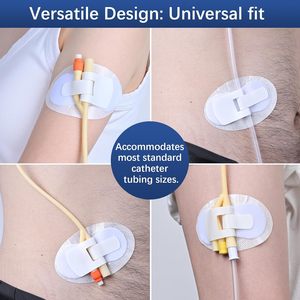
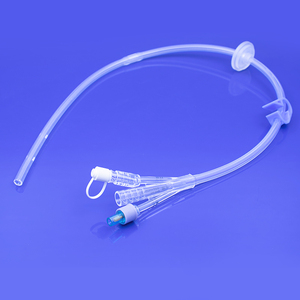
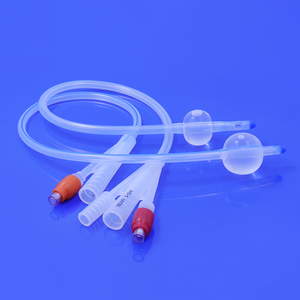
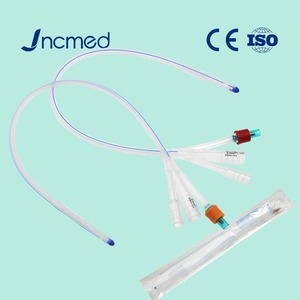
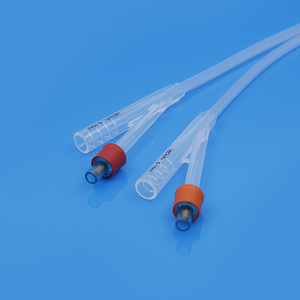
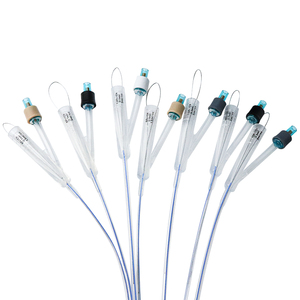
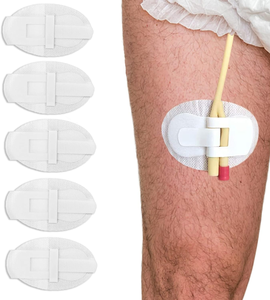
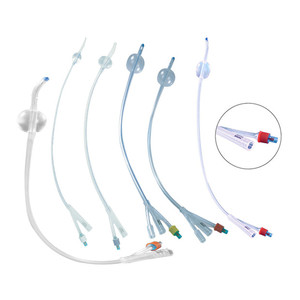
Medical suction liners and closed vacuum fluid collection canisters represent a critical defense perimeter in modern infection control frameworks. In clinical environments across Iraq—ranging from state-run tertiary hospitals under the Ministry of Health (MoH) in Baghdad to private surgical centers in Erbil and Basra—the containment of infectious biohazardous waste fluids generated during surgical interventions, intensive care suctioning, and endoscopic procedures is paramount. Historically, healthcare facilities across the Middle East relied on reusable glass or polycarbonate suction bottles that required manual emptying, chemical decontamination, and autoclave sterilization. However, modern nosocomial infection control guidelines, validated by global bodies and adopted in Iraqi national health tenders, strongly advocate for single-use, closed-loop disposable suction liner bags.
Information Gain Insight: Advanced suction liner bags manufactured for the Middle Eastern market must integrate hydrophobic self-sealing shut-off filter disks with high air-permeability (>99.999% bacterial filtration efficiency against aerosolized pathogens) while sustaining high vacuum pressures up to -950 mbar under extreme ambient temperature shifts (+45°C to +50°C during summer storage in Southern Iraq).
As a premier OEM/CDMO contract manufacturer and global exporter of single-use medical devices operating state-of-the-art cleanroom manufacturing facilities since 1994, our enterprise provides fully integrated manufacturing solutions for disposable suction liners and urological medical consumables tailored specifically to the regulatory, climatic, and logistics demands of Iraqi health authorities and private medical importers.
A high-performance disposable medical suction liner is not merely a flexible plastic pouch; it is a precision-engineered safety enclosure designed to withstand implosion under severe negative pressure while guaranteeing absolute sealing against liquid escape and infectious aerosol venting. The structural breakdown of our suction liner assemblies includes:
Multi-layer polyolefin extrusion providing extreme puncture resistance, high tensile elongation (>400%), and thermal stability without pinhole risk.
Self-sealing PTFE or expanded polypropylene (ePTFE) filter membrane that immediately shuts off vacuum flow upon liquid contact, protecting central hospital vacuum pumps.
Injection-molded color-coded top cap featuring press-fit mechanical lock seals, patient suction ports, vacuum pump ports, and optional tandem transfer ports.
| Performance Parameter | Technical Specification Standard | Clinical Benefit for Iraqi Hospitals |
|---|---|---|
| Nominal Volumetric Capacities | 1000 ml, 1500 ml, 2000 ml, 3000 ml | Flexible options for minor OPD clinics up to high-volume orthopedics & trauma ORs. |
| Maximum Negative Pressure Limit | Up to -950 mbar (-712 mmHg) sustained | Eliminates wall collapse during intensive surgical fluid evacuation. |
| Bacterial & Viral Filtration Efficiency | ≥99.999% (VFE & BFE tested per ASTM F2101) | Prevents airborne contamination of hospital central vacuum pipelines. |
| Solidifier Powder Option | Superabsorbent Polymer (SAP) pre-attached pouch | Rapidly gelates liquid bio-waste within seconds for safe incineration. |
| Tandem Port Interconnection | Multi-canister serial connection support | Allows continuous collection up to 12,000ml in major thoracic/cardiac surgery. |
| Biocompatibility Standard | ISO 10993 compliant (Cytotoxicity, Hemolysis) | Non-toxic non-reactive material composition safe for hospital environments. |
Deploying medical disposables in Iraq requires a deep appreciation of the operational environment, infrastructure challenges, and procurement frameworks governing public and private medical institutions. The healthcare sector in Iraq is currently undergoing massive modernization driven by both Ministry of Health central tenders (KIMADIA) and rapid private sector hospital expansions in major urban centers.
High-capacity teaching hospitals in Baghdad require heavy-duty 2000ml and 3000ml suction liners with integrated solidifier sachets. Centralized vacuum pressure in older hospital infrastructure can experience pressure spikes; our hydrophobic filter technology acts as an automatic check valve, preventing fluid invasion into main suction shafts.
Private specialty surgical clinics and diagnostic centers in Kurdistan demand premium CE-marked closed suction kits and 100% silicone Foley catheters with custom multi-language IFU (Arabic, Kurdish, English) and barcoded unit packaging for streamlined inventory management.
Hospital facilities in Basra operate under extreme summer heat conditions (+50°C ambient temperatures). Materials must resist polymer softening or embrittlement during sea transport through Umm Qasr port and inland warehouse storage without loss of vacuum tightness.
Pediatric wards require precision low-volume suction liners (1000ml) paired with ultra-soft 6Fr-10Fr pediatric silicone Foley catheters engineered for zero tissue trauma during delicate pediatric urology care.
The Iraqi State Company for Marketing Drugs and Medical Supplies (KIMADIA) enforces rigorous procurement specifications for disposable medical items. Suppliers and local Iraqi distributors bidding on government tenders must submit comprehensive regulatory dossiers. Our manufacturing ecosystem natively aligns with all KIMADIA tender prerequisites:
| Evaluation Factor | Legacy Reusable Canisters (Glass/Polycarbonate) | Disposable Closed Suction Liner System |
|---|---|---|
| Cross-Contamination Risk | High: Manual pouring of liquid waste generates aerosols and splashes. | Zero: Closed hermetic bag with automatic self-sealing hydrophobic filter. |
| Hospital Labor Costs | Heavy: Requires dedicated personnel for chemical washing and autoclaving. | Minimal: Rapid snap-off, seal, and dispose workflow takes < 15 seconds. |
| Equipment Longevity | Low: Frequent glass breakage and polycarbonate stress-cracking under heat. | High: Rigid outer jar remains permanently clean; liner absorbs all contact. |
| Environmental Compliance | Requires massive water consumption & toxic chemical disinfectant disposal. | Optimized for clean thermal incineration with zero toxic chlorine residue. |
Operating a sprawling manufacturing infrastructure in India spanning controlled injection molding zones, Class 10,000 (ISO Class 7) cleanrooms, and automated tube extrusion lines, our factory serves as a high-reliability production hub for global brand owners, medical device distributors, and pharmaceutical contractors.
Established in 1994, bringing three decades of continuous R&D and precision molding expertise to medical polymer device production.
Hygienic assembly and ultrasonic sealing carried out in strictly monitored positive-pressure air-filtered environments.
Captive ethylene oxide gas sterilization plant with fully validated automated cycles ensuring absolute batch sterility.
Custom mold design, private label packaging, multi-language artwork generation, and customized kit configuration.
Deep experience managing ocean container logistics, multi-modal air freight, and customs documentation across the Middle East & North Africa (MENA).
Every lot undergoes rigorous leak testing, tensile pulling tests, flow-rate verification, and bioburden monitoring prior to release.
Here are direct, authoritative answers to the primary technical and commercial queries raised by medical device buyers, tender committees, and hospital purchasing directors in Iraq.
We provide a comprehensive regulatory dossier package including ISO 13485:2016 certificates, CE Certificates of Conformity, Free Sale Certificates (FSC) issued by national health authorities, technical drawings, material biocompatibility declarations (ISO 10993), ETO sterilization validation reports, and Certificate of Analysis (COA) for every shipment lot.
Our suction liners are manufactured using virgin medical-grade PE/EVA resin blends formulated with thermal stabilizers. They maintain structural elasticity, seal integrity, and vacuum collapse resistance across temperature ranges from -10°C up to +50°C, ensuring no pinhole formation or wall degradation during transit or warehouse storage.
Standard catalogue MOQ starts at one master production lot per size SKU (typically 5,000 to 10,000 units depending on bag size). For custom OEM artwork with Arabic language instructions, customized pouch printing, and dual-brand labeling, our CDMO department works closely with local partners to accommodate flexible order tiers.
Yes. Our liner lid assemblies feature dedicated tandem ports. By inserting a simple interconnecting tandem tube between canisters, multiple suction liners (e.g., 4 x 3000ml) can be linked to a single vacuum source, allowing continuous fluid collection up to 12 Liters during extensive trauma, orthopedic, or cardiac surgery.
The lid of each suction liner contains an integrated hydrophobic PTFE filter membrane. As fluid levels rise to the maximum fill capacity, the membrane immediately comes into contact with moisture, causing it to instantly swell and seal. This mechanical shut-off cuts negative pressure, preventing any liquid or foam from entering the hospital suction pipeline.
Our liners are designed based on international standard dimensions (1000ml, 1500ml, 2000ml, 3000ml) compatible with major global canister profiles. Furthermore, we supply matching rigid polycarbonate outer reusable canisters and wall/trolley mounting brackets to provide a complete turnkey system replacement where required.
Timely delivery and pristine product delivery are crucial for hospital continuity. Over 80% of our total factory output is exported globally, giving our shipping department deep operational experience in dispatching goods to Middle Eastern ports and inland destinations.
