Explore our ISO 13485 and CE certified stomach catheters, enteral nutrition feeding sets, and silicone PEG devices tailored for clinical procurement in the Kanto region.
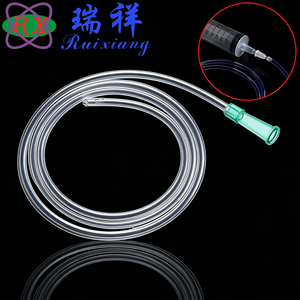
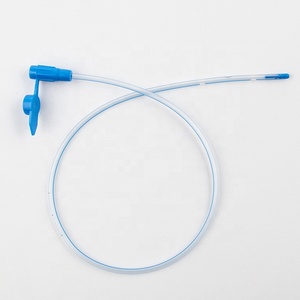
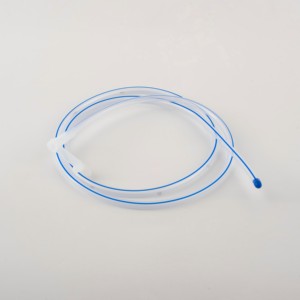
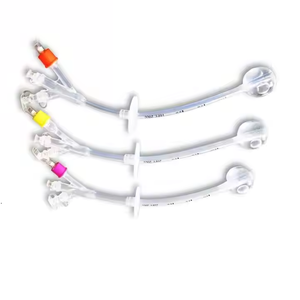
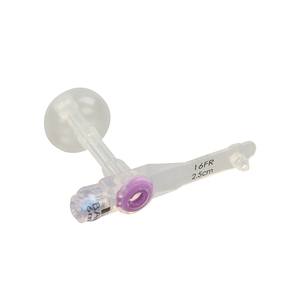
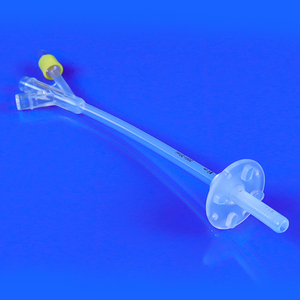
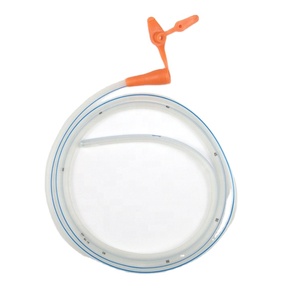
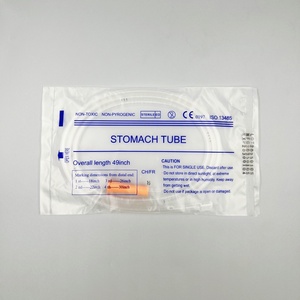
The Greater Tokyo Metropolitan Area represents one of the world's most sophisticated and concentrated healthcare markets. Characterized by an advancing demographic shift—where over 30% of the population is aged 65 or older—the demand for advanced gastrointestinal consumables, percutaneous endoscopic gastrostomy (PEG) tubes, low-profile mini buttons, and ultrasound-visualized nasogastric (NG) feeding tubes has reached unprecedented heights. For hospital procurement managers, medical device importers, and pharmaceutical brand owners in Tokyo, sourcing stomach tubes is no longer a simple transactional purchase; it requires strict adherence to PMDA (Pharmaceuticals and Medical Devices Agency) regulatory standards, Japanese Industrial Standards (JIS T 3260), and ISO 80369-3 (ENFit) enteral connector safety directives.
As a globally recognized manufacturer of single-use medical devices operating since 1994, Angiplast Private Limited delivers end-to-end manufacturing, CDMO (Contract Development and Manufacturing Organization), and OEM private-label capabilities tailored to the rigorous demands of Tokyo's medical market. Operating controlled injection moulding facilities, Class 10,000 cleanroom assembly lines, and a captive ethylene oxide (ETO) sterilisation plant, we engineer medical-grade silicone and plasticized PVC stomach tubes that meet European CE standards, US FDA requirements, and Asian regulatory frameworks.
Technical features designed to improve patient comfort, streamline nurse workflows, and ensure zero cross-contamination in busy hospital wards.
Full integration of standardized enteral feeding connectors to eliminate misconnections with IV lines, satisfying Japanese patient safety guidelines.
Echogenic micro-surface reflection patterns embedded into distal tips for instant ultrasonic positioning verification without radiation exposure.
100% medical-grade platinum-cured silicone providing extreme flexibility, anti-encrustation properties, and tissue safety for extended usage (up to 30 days).
Precision automated tube cutting, side-eye hole punching, and tip rounding to exact clinical millimeter specifications required by specialized clinics.
Co-extruded barium sulfate (BaSO4) line running full length of the catheter for clear contrast imaging under fluoroscopy and X-ray examinations.
Eco-friendly, non-phthalate plasticizers complying with RoHS, REACH, and Japanese Ministry of Health, Labour and Welfare (MHLW) chemical safety guidelines.
Choosing the correct polymer matrix is vital for patient compliance, dwell time, and cost-efficiency in Tokyo's healthcare network. Below is an engineering comparison between our silicone and PVC stomach tube formulations:
| Performance Specification | 100% Platinum-Cured Medical Silicone | Plasticized Non-Toxic Medical PVC |
|---|---|---|
| Clinical Dwell Time | Long-Term (Up to 30 continuous days) | Short-to-Medium Term (7 to 14 days max) |
| Durometer Softness | Ultra-soft (Shore A 40–50), minimal tissue trauma | Flexible (Shore A 65–75), firms upon body temp insertion |
| Encrustation & Biofilm Resistance | Exceptional (Hydrophobic surface, smooth inner lumen) | Moderate (Requires frequent flushing protocols) |
| Phthalates & DEHP Content | 100% Phthalate-Free, DEHP-Free, Latex-Free | DEHP-Free eco-friendly plasticizers used |
| Primary Tokyo Application | Home Care (Kaigo), PEG Buttons, Paediatrics | Emergency ICUs, Post-Op Gastric Decompression |
| Sterilization Compatibility | Autoclave / Ethylene Oxide (ETO) Validated | Ethylene Oxide (ETO) Validated Only |
Tokyo’s hospital landscape spans world-renowned acute care centers—such as The University of Tokyo Hospital, St. Luke’s International Hospital, and Keio University Hospital—alongside thousands of community nursing centers across Minato, Shinjuku, Shibuya, and outer Tokyo prefectures. Angiplast’s stomach tube portfolio is designed to satisfy the specific operational demands of these distinct healthcare settings:
In Tokyo trauma centers and intensive care units, disposable PVC Ryle’s tubes and stomach catheters with depth markers are deployed for immediate stomach evacuation, diagnostic fluid sampling, and acute decompression following abdominal surgeries. Smooth atraumatic side eyes ensure maximum suction flow without mucosa adhesion.
Tokyo’s home nursing program encourages early patient discharge. Low-profile mini button gastrostomy tubes and silicone PEG sets provide ambulatory elderly patients with discrete, comfortable enteral access that minimizes clothing friction and accidental tube displacement during daily activities.
Specialized childrens' hospitals in Kanto utilize ultra-fine 4Fr to 8Fr silicone infant feeding tubes. Angiplast’s micro-cutting and precision tip seal services ensure smooth distal geometry that mitigates delicate nasal and esophageal trauma in premature infants requiring continuous gavage feeding.
To cut down on repeated X-ray imaging, Tokyo gastroenterology clinics increasingly adopt ultrasound-visualized nasogastric tubes. Echogenic micro-striping along the catheter shaft enables quick bedside confirmation of tube placement, conserving hospital time and lowering patient radiation doses.
Search intent mining across Japanese medical purchasing networks reveals key evolving requirements among Tokyo-based procurement teams and B2B medical supply distributors:
Angiplast Private Limited is an established ISO 13485 certified manufacturer and exporter of single-use medical devices for gastroenterology, infusion therapy, urology, dialysis, and surgery. Headquartered in India with an extensive international export footprint spanning over 52 countries, Angiplast delivers uncompromised manufacturing standards for Tokyo medical distributors and brand owners:
Direct answers to common technical, regulatory, and commercial procurement inquiries from Japanese healthcare buyers.
Angiplast provides comprehensive technical files, ISO 13485 QMS certification, CE technical dossiers, Free Sale Certificates (FSC), raw material biocompatibility declarations (ISO 10993 compliance), and ETO sterilisation validation data (ISO 11135) to assist Japanese foreign manufacturer registration (Shonin / Ninshin filings) with the PMDA.
Yes, our enteral feeding product lines—including nasogastric tubes, gastrostomy PEG tubes, and mini buttons—are available with standardized ISO 80369-3 ENFit connectors to eliminate accidental misconnections with IV lines, satisfying Japanese hospital safety protocols.
OEM private-label MOQs depend on the device category and customisation scope, typically starting at one full production lot per SKU. Our CDMO team handles customized pouch printing, Japanese artwork layout, barcode generation, and carton configuration in-house.
Angiplast's export logistics desk manages ocean freight (FCL/LCL) to Tokyo Port and Yokohama Port, as well as expedited air freight to Narita (NRT) or Haneda (HND) airports. We handle export documentation, certificates of origin, packing lists, and palletized container loading under FOB, CIF, or CFR terms.
Yes, our automated tipping and tube processing lines allow us to supply precise cut lengths, customized side-eye placements, and non-standard French sizes (from 6Fr to 24Fr) tailored to pediatric, adult, or specialized surgical applications.
Partner with an established medical device manufacturer. Contact our dedicated export team to request OEM quotes, product samples, or regulatory technical documentation.
Send an Inquiry