Explore our flagship hospital-grade products manufactured under strict Class 10,000 cleanroom environments. Tailored for Azerbaijani clinical infrastructure, emergency care centers, and specialized surgical units.
From raw medical-grade polymer formulation to high-velocity delivery through Caspian supply routes, we guarantee uncompromised patient safety and complete regulatory compliance.
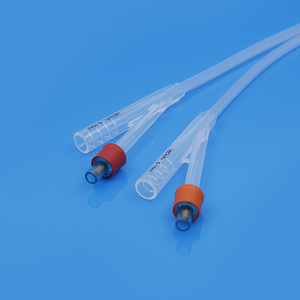
Engineered using 100% DEHP-free, non-toxic, non-irritant medical PVC and ultra-soft Liquid Silicone Rubber (LSR). Formulated to mitigate mucosal abrasion, tissue toxicity, and patient discomfort during extended oxygen administration or catheterization.
Our oxygen supply tubing features internal multi-channel (6-channel star lumen) geometry. This guarantees an uninterrupted oxygen flow rate even if the tubing becomes accidentally twisted, bent, or compressed by heavy hospital bed rails.
Full regulatory alignment with Azerbaijan’s State Agency on Mandatory Health Insurance (TƏBİB) requirements. Complete technical documentation packages including ISO 13485, CE Marking certificates, and batch ETO sterilisation dossiers.
The Republic of Azerbaijan’s healthcare sector is undergoing a profound structural transformation. Accelerated by the nation-wide rollout of Mandatory Health Insurance under TƏBİB (State Agency on Mandatory Health Insurance), state and private clinical networks across Baku, Ganja, Sumqayit, and Mingachevir are modernizing their medical equipment pipelines. Essential disposable medical devices—most notably Nasal Oxygen Cannulas, microbore extension sets, respiratory humidification circuits, and urological catheters—represent critical infrastructure consumables. High-performance respiratory support devices directly govern patient recovery outcomes in acute pulmonary management, intensive care units (ICUs), emergency transport, and post-operative recovery.
As a premier global medical disposable manufacturer established in 1994, Angiplast Private Limited delivers industry-leading precision manufacturing solutions tailored specifically to the unique epidemiological, climatic, and regulatory realities of the Azerbaijani market. This comprehensive whitepaper explores the anatomical fluid-dynamic engineering of nasal oxygen cannulas, evaluates localized clinical demand drivers in the South Caucasus, outlines quality assurance paradigms under ISO 13485 standards, and establishes optimized B2B procurement pathways for hospital administrators, regional medical importers, and healthcare distributors.
Understanding search intent in modern healthcare procurement requires bridging clinical terminology with manufacturing physics. A nasal cannula is not merely a flexible plastic tube; it is a calibrated micro-fluidic delivery interface designed to convey supplemental oxygen from a wall-mounted flowmeter, oxygen concentrator, or high-flow blender directly into a patient’s nasopharynx.
Key technical considerations that separate industrial-grade medical suppliers from low-tier producers include:
Azerbaijan presents a diverse clinical demand matrix influenced by geography, industrial activities, and demographic shifts across its regional healthcare districts:
A. The Greater Baku Metropolitan Area & Industrial Hubs (Sumqayit, Lokbatan):
Baku’s healthcare ecosystem features major tertiary centers such as the Baku Health Center, Republican Clinical Hospital, and specialized oncology and cardiovascular facilities. Furthermore, the region’s massive oil refining, petrochemical, and manufacturing corridors in Sumqayit generate heightened prevalence of occupational chronic obstructive pulmonary disease (COPD), chemical bronchitis, and acute respiratory distress syndrome (ARDS). High-volume, sterile, disposable nasal oxygen cannulas represent an everyday consumable in these urban emergency rooms and intensive care wards.
B. Offshore Caspian Sea Energy Sector & Occupational Clinics:
Azerbaijan’s energy infrastructure—spanning offshore platforms in the Caspian Sea (such as Shah Deniz and ACG fields) and inland terminals like Sangachal—requires specialized emergency medical modules. Medical dispensaries on offshore platforms demand long-shelf-life, individually double-pouched, ETO-sterilized oxygen delivery kits that withstand harsh saline environments without polymer degradation.
C. Regional Medical Clusters (Ganja, Mingachevir, Lankaran, Nakhchivan):
Under the expanding coverage of mandatory medical insurance (İTS), regional public hospitals are upgrading their outpatient and emergency departments. Reliable supply chains supplying standardized Pediatric, Adult, and Neonatal Nasal Cannulas ensure regional clinics can deliver identical care quality to capital facilities.
To assist hospital procurement committees and biomedical engineers in selecting the correct device configurations, the following matrix details our core manufacturing specs:
| Specification Parameter | Adult Category | Pediatric Category | Infant Category | Neonatal Category |
|---|---|---|---|---|
| Recommended Flow Rate | 1 – 6 Liters / Min (LPM) | 0.5 – 3 LPM | 0.25 – 2 LPM | 0.01 – 1 LPM |
| Prong Design Options | Curved, Straight, Flared | Curved Soft-Touch | Micro-Curved Soft-LSR | Anatomical Micro-Prong |
| Tubing Outer Diameter | 5.0 mm | 4.0 mm | 3.5 mm | 3.0 mm |
| Tubing Inner Lumen Structure | 6-Star Anti-Kink Lumen | 6-Star Anti-Kink Lumen | Anti-Kink Micro-Lumen | Anti-Kink Micro-Lumen |
| Standard Tubing Lengths | 2.1m (7ft) / 4.2m (14ft) | 2.1m (7ft) | 1.5m / 2.1m | 1.5m / 2.1m |
| Biocompatibility Standard | ISO 10993 Compliant | ISO 10993 Compliant | ISO 10993 Phthalate-Free | ISO 10993 Phthalate-Free |
| Sterilization Method | Ethylene Oxide (ETO) | Ethylene Oxide (ETO) | Ethylene Oxide (ETO) | Ethylene Oxide (ETO) |
The medical consumable market in the South Caucasus is experiencing rapid evolution driven by three major technological shifts:
Founded in 1994 in Kheda, Gujarat, India, Angiplast Private Limited has developed into a vertically integrated global leader in single-use medical devices. Our manufacturing ecosystem comprises:
Clear answers to regulatory, logistical, and technical purchasing inquiries common among healthcare purchasing officers in Azerbaijan.
We supply a complete regulatory dossier for every shipment to Azerbaijan. This includes ISO 13485 QMS certification, European CE Marking certificates, Free Sale Certificates (FSC) issued by national health authorities, Certificate of Analysis (CoA) per lot, and full ETO sterilization validation reports required by TƏBİB and Azerbaijan Customs clearance bodies.
Our standard MOQ for OEM or private-label packaging starts at 10,000 units per individual SKU. Custom artwork, Azerbaijani language Instructions for Use (IFU), inner box artwork, master carton barcodes, and customized tubing lengths are completely managed by our in-house design and packaging team.
We offer flexible shipping terms including FOB, CFR, and CIF Baku port or Heydar Aliyev International Airport cargo terminal. Sea-freight shipments are routed via Georgian ports (Poti/Batumi) with transit rail/road feeder connections directly into Baku container depots. Air-freight options are available for urgent hospital tender deliveries.
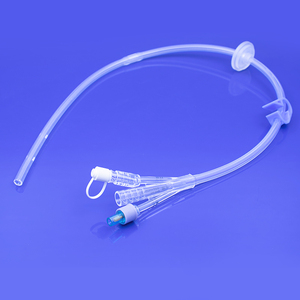
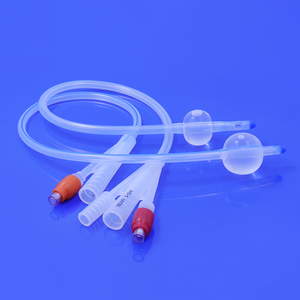
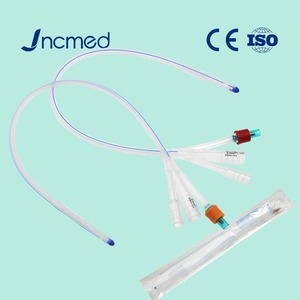
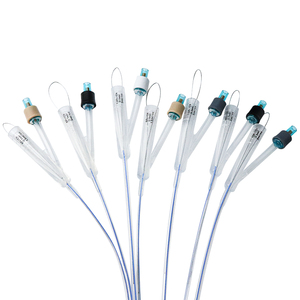
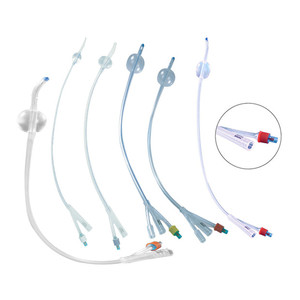
Yes. All medical-grade PVC formulations utilized in our nasal cannula lines are non-toxic, DEHP-free, and tested strictly according to ISO 10993 standards for cytotoxicity, sensitization, and intracutaneous reactivity. Our silicone Foley catheters utilize 100% medical-grade silicone to eliminate latex allergy risks.
Absolutely. Our international export team regularly prepares complete tender documentation packets—including compliance statements, schematic engineering drawings, physical samples for laboratory testing, shelf-life validation data, and ISO/CE accreditation files tailored for government health tenders.
Connect with our senior export specialists today to discuss technical specifications, request physical product sample kits, or obtain factory-direct quotation pricing for the Azerbaijan market.
Get a Quote