Direct export from Angiplast Pvt. Ltd. — Cleanroom manufactured, ETO sterile, and compliant with international standards.
As the economic core of Japan’s Chubu region, the Nagoya metropolitan area represents one of Asia's most sophisticated clinical environments. With an aging demographic and a high density of specialized nephrology centers, the demand for high-grade single-use medical devices in Aichi Prefecture has transitioned toward advanced bio-compatible materials, zero-spallation peristaltic pump segments, and rigorous sterility assurance protocols. As a premier global manufacturer and exporter operating under ISO 13485:2016 quality systems, Angiplast Private Limited provides Nagoya’s hospital networks, medical equipment importers, and private dialysis chains with direct access to precision-engineered Haemodialysis Blood Tubing Sets and associated extracorporeal blood circuit accessories.
The extracorporeal circuit acts as the artificial vascular system during renal replacement therapy (RRT). Any micro-imperfection in tubing wall concentricity, luer-lock bonding, or polymer plasticization can lead to hemolysis, micro-emboli formation, or pressure monitoring errors during high-flux hemodialysis (HD) and hemodiafiltration (HDF) procedures. Angiplast’s blood tubing sets are designed to integrate seamlessly with leading dialysis console architectures deployed in Japanese clinical settings, ensuring strict compliance with Japanese Industrial Standards (JIS T 3250) and international biocompatibility guidelines (ISO 10993).
Extruded using non-DEHP medical-grade polyvinyl chloride (PVC) formulations that maintain structural memory, preventing flow occlusions during high blood flow rates (300–500 mL/min).
Precision-calibrated peristaltic pump tubing with high elastic recovery. Standardized Shore A hardness prevents micro-particle spallation over long 4-6 hour dialysis runs.
Integrated 0.2 μm PTFE hydrophobic membranes protecting machine pressure sensors from blood contamination while delivering instantaneous arterial/venous readings.
Angiplast's blood tubing lines are designed with comprehensive modularity to suit various arterial-venous blood circuit configurations required by nephrologists in Nagoya. Every component undergoes rigorous automated vision system verification and 100% pneumatic leak testing prior to cleanroom pouch packaging.
| Component Parameter | Arterial Line Specification | Venous Line Specification | Quality Standard / Compliance |
|---|---|---|---|
| Primary Material | Medical-Grade DEHP-Free PVC / TOTM Plasticized | Medical-Grade DEHP-Free PVC / TOTM Plasticized | ISO 10993 Biocompatibility Certified |
| Tubing Dimensions | ID: 4.3 mm – 4.8 mm / OD: 6.3 mm – 6.8 mm | ID: 4.3 mm – 4.8 mm / OD: 6.3 mm – 6.8 mm | JIS T 3250 / ISO 8637-2 Standard |
| Drip Chamber Volume | Clear Molded 20 mL – 30 mL Chamber | Chamber with Integrated 200 μm Mesh Filter | ASTM F2888 Hemolysis Resistance Test |
| Injection Ports | Latex-Free Self-Sealing Heparin/Medication Site | Latex-Free Needleless or Resealable Port | ISO 80369-7 Luer Lock Compliance |
| Sterilization Route | Ethylene Oxide (ETO) / Gamma Irradiation | Ethylene Oxide (ETO) / Gamma Irradiation | ISO 11135 Sterilization Validation |
| Residual ETO Limit | < 1 μg/g (Exceeds FDA & PMDA requirements) | < 1 μg/g (Exceeds FDA & PMDA requirements) | ISO 10993-7 Residue Compliance |
Healthcare facilities across Nagoya — ranging from major tertiary institutions like Nagoya University Hospital and Fujita Health University Hospital to community-based satellite dialysis clinics — operate under stringent patient safety standards. The deployment of disposable extracorporeal circuits must adapt to diverse clinical workflows, pump head geometries, and arterial-venous vascular access protocols.
High-density outpatient nephrology centers in Nagoya require high-throughput setup efficiency and minimal priming volume to shorten turnaround times between shifts. Angiplast’s pre-assembled arterial and venous lines feature color-coded clamping systems (Red for Arterial, Blue for Venous) and rapid priming recirculation loops, allowing dialysis nurses to reduce pre-dialysis setup time by up to 25% while maintaining sterile barrier integrity.
For acute renal failure patients in Intensive Care Units (ICUs) and Critical Care Units (CCUs) across Aichi Prefecture, blood stability and pressure precision are vital. Angiplast's continuous blood tubing lines incorporate ultra-smooth inner lumen walls created through micro-extrusion technology. This minimizes shear stress on red blood cells during prolonged extracorporeal circulation, reducing the risk of hemolysis and platelet activation in hemodynamically unstable patients.
With Japan’s progressive shift toward home-based medical care, home hemodialysis adoption in the Chubu region is steadily growing. Angiplast manufactures intuitive, highly secure blood tubing kits featuring color-coded visual alignment tabs, self-sealing injection sites, and foolproof push-and-click luer lock connections, minimizing technical operational errors for home care patients and caregiver support personnel.
Navigating the Japanese medical device supply chain requires a deep understanding of evolving regulatory frameworks managed by the Pharmaceuticals and Medical Devices Agency (PMDA) under the Ministry of Health, Labour and Welfare (MHLW). Suppliers serving the Nagoya market must align with critical market dynamics:
Japanese nephrology associations strictly advocate for non-DEHP plasticizers to prevent plasticizer leaching into patient blood streams, especially during chronic, lifelong maintenance hemodialysis.
To prevent misconnections between enteral, IV, and hemodialysis lines, Japanese clinical standards mandate strict adherence to small-bore connector standards with zero tolerance for fluid leakage under pressure.
Nagoya hospitals actively seek medical disposables packed in recyclable, compact pouch formats that lower incinerator ash mass and conform to municipal environmental management standards.
Established in 1994 in Ahmedabad, India, Angiplast Private Limited operates a vertically integrated medical manufacturing facility spanning advanced polymer injection molding, precision extrusion, controlled assembly, and in-house ETO sterilization. Over 80% of our production is exported to more than 52 countries worldwide.
Our infrastructure guarantees absolute oversight over every stage of production, eliminating third-party supply chain risks and ensuring consistent batch-to-batch repeatability for our OEM, CDMO, and distributor partners serving Japanese medical tenders.

All blood tubing set assembly, solvent bonding, and pouch sealing take place in ISO Class 7 (Class 10,000) cleanrooms monitored continuously for bioburden and airborne particulate levels.
Our in-house ethylene oxide sterilizer operates on fully validated parametric cycles, ensuring absolute sterility (SAL 10⁻⁶) while keeping residual ethylene oxide levels well below international limits.
Every lot undergoes stringent tensile testing, burst pressure evaluation, bubble-point filter testing, pyrogen testing, and biocompatibility verification before final batch release.
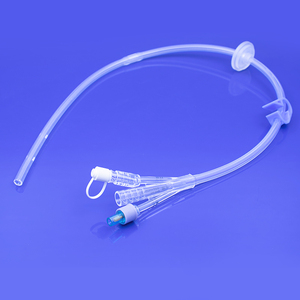
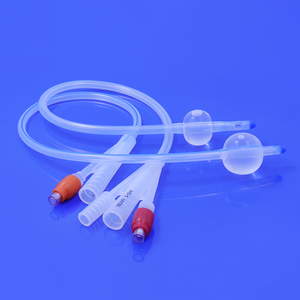
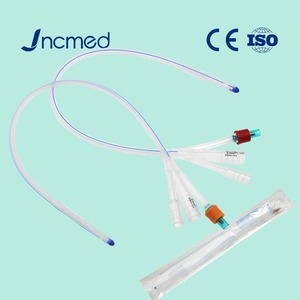
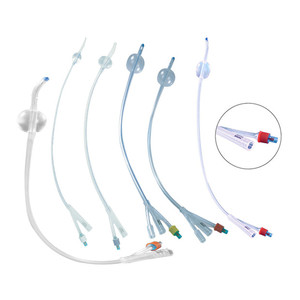
Angiplast serves as an integrated manufacturing partner for pharmaceutical companies, hospital distributors, and private-label brand owners. Beyond Haemodialysis Blood Tubing Sets, our production lines manufacture complete companion portfolios including AV Fistula Needles, Infusion Sets, IV Cannulae, Central Venous Catheters, Silicone Foley Catheters, Urine Collection Bags, and Surgical Drainage Systems.
Whether you require standard stock configurations for rapid distribution or custom engineered components with precise drop counts and specialized drip chambers, our engineering team in India works side-by-side with your product managers to bring cost-effective, high-reliability medical disposables to the Nagoya market.
Connect directly with Angiplast’s Senior Export & Engineering Team. Receive customized price schedules, compliance certification packages, and product samples for hospital tender evaluations.
Inquire Now