Precision-engineered single-use medical devices manufactured in Class 10,000 cleanrooms under strict ISO 13485 and CE standards for European clinical procurement.
Electrocardiography (ECG) remains the fundamental baseline diagnostic tool for evaluating cardiac electrophysiology, arrhythmias, ischemic heart disease, and acute myocardial infarction. However, the clinical utility of any 12-lead ECG, continuous telemetry monitoring, or Holter diagnostic recording is fundamentally constrained by the physical interface between human skin and the cardiac monitor: the disposable ECG electrode. For hospital procurement committees, biomedical engineering departments, and medical supply distributors in Romania, understanding the electrochemical and material science behind single-use diagnostic monitoring electrodes is essential to lowering false alarm rates, preventing skin irritation, and ensuring uninterrupted diagnostic accuracy.
As a global contract manufacturer and ISO 13485 certified enterprise serving European markets, our manufacturing lines integrate advanced silver/silver-chloride (Ag/AgCl) sensor element technology, hypo-allergenic medical-grade adhesives, and specialized conductive hydrogels designed to meet the rigorous demands of modern clinical environments.
Information Gain Insight: The signal noise ratio (SNR) in cardiac diagnostics is largely dictated by electrode-skin impedance. Traditional liquid gel electrodes provide rapid wetting but suffer from hydrogel desiccation during extended 24-48 hour monitoring. Modern solid conductive adhesive hydrogels utilize cross-linked polymer matrices that maintain stable baseline drift (< 0.2 mV/h) while providing bio-compatible adhesion compliant with EU MDR 2017/745 standards.
The primary function of an ECG electrode is to transduce ionic currents generated by the depolarization of myocardial tissue into electronic currents that can be processed by cardiac monitoring algorithms. This transduction occurs at the interface between the conductive gel and the metallic sensor element. Pure silver sensors exhibit significant DC offset instability when exposed to chloride ions in human sweat. To eliminate polarization artifacts, our factory utilizes high-purity micro-crystalline Silver/Silver-Chloride (Ag/AgCl) sensor deposition.
This non-polarizing electrochemical couple ensures negligible offset voltage (< 5 mV post-defibrillation recovery) and minimal AC impedance across the 0.05 Hz to 150 Hz diagnostic bandwidth. When a defibrillation shock is delivered to a patient in emergency resuscitation (e.g., SMURD protocols in Romania), our Ag/AgCl electrodes quickly restore baseline stability within 2.5 seconds, allowing cardiologists to instantly evaluate post-shock cardiac rhythm.
| Performance Parameter | ANSI/AAMI EC12 Standard | Our Factory Benchmark | Clinical Benefit for Romanian Providers |
|---|---|---|---|
| AC Impedance (10 Hz) | < 2000 Ω | < 150 Ω | Superior signal clarity, reduced baseline noise in high-frequency EMG environments. |
| DC Offset Voltage | < 100 mV | < 2.5 mV | Prevents trace clipping on digital ECG displays during continuous monitoring. |
| Defibrillation Overload Recovery | < 50 mV after 5 sec | < 12 mV after 2 sec | Instant rhythm assessment following emergency resuscitation in ICU/ER. |
| Biosensor Stability (Baseline Drift) | < 1 mV / hour | < 0.15 mV / hour | Eliminates false arrhythmia alarms in long-term telemetry wards. |
| Skin Biocompatibility | ISO 10993 Passed | Cytotoxicity & Sensitization Free | Zero latex or phthalates; safe for sensitive skin and neonatal application. |
Choosing the correct conductive medium is critical depending on the clinical environment across Romanian healthcare institutions:
Formulated for rapid penetration of the stratum corneum, liquid gels provide ultra-low impedance within seconds of application. Ideal for short-term 12-lead diagnostic ECGs, stress testing (ergometry), and emergency ambulance care where instant trace acquisition is mandatory. Features permeable foam backings and aggressive medical-grade acrylic adhesive.
Engineered with a cross-linked polymer network that acts as both conductive gel and adhesive. Provides gentle residue-free removal, preventing epidermal stripping during multi-day continuous Holter monitoring or ICU telemetry. Resists drying out for up to 7 days of continuous clinical application.
Romania’s healthcare ecosystem—comprising public county hospitals (Spitale Județene de Urgență), specialized cardiology institutes (e.g., Institutul de Boli Cardiovasculare Prof. Dr. C.C. Iliescu Bucharest, Institutul Inimii Cluj-Napoca), private medical networks (Regina Maria, MedLife, Sanador), and emergency rescue services (SMURD)—presents distinct operational requirements for consumable medical devices.
Mobile emergency units operating across varied climatic conditions in Romania require electrodes with robust initial tack and freeze-thaw stability. Our quick-connecting snap electrodes function flawlessly between -10°C in mountainous rescue zones and +40°C in summer emergency transport, retaining adhesion even on diaphoretic (sweating) trauma patients.
In Intensive Care Units (ATI) across Bucharest, Cluj, and Iași, patients undergo multi-day continuous monitoring. Our breathable non-woven cloth substrate allows moisture vapor transmission (MVTR > 1200 g/m²/24h), significantly reducing skin maceration, nosocomial infection risks, and cutaneous reactions during prolonged ward stays.
With Romania accelerating digital health adoption and rural tele-cardiology screenings, outpatient Holter monitoring is expanding. Our solid-gel long-term electrodes support 24-hour to 7-day continuous ambulatory recording without displacement during daily physical activity or light showering.
Romania represents one of the fastest-growing medical device markets in Central and Eastern Europe, driven by both public modernization funds and expanding private healthcare chains. Distributors and procurement directors navigating the Romanian market face several structural shifts:
Under the European Union’s PNRR framework, Romania has committed over €2.4 billion to healthcare infrastructure modernization. Funds are targeted at upgrading equipment in emergency departments, expanding neonatal intensive care units, and renovating over 2,000 outpatient clinics (Ambulatorii de Specialitate). Modern diagnostic ECG monitors and defibrillators purchased via national tenders require high-quality consumable electrodes that strictly meet European norms to ensure equipment longevity and warranty compliance.
Following the full enforcement of EU MDR, Romanian health authorities (ANMDMR - Agenția Națională a Medicamentului și a Dispozitivelor Medicale din România) and hospital tender boards strictly reject legacy MDD documentation. Importers and local distributors require manufacturing partners who maintain up-to-date CE certifications, comprehensive Technical Files (STED), UDI (Unique Device Identification) barcode coding, and rigorous Post-Market Surveillance (PMS) protocols.
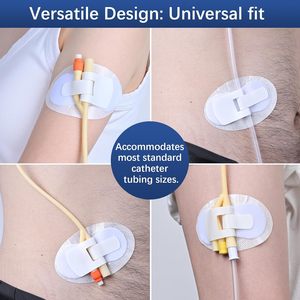
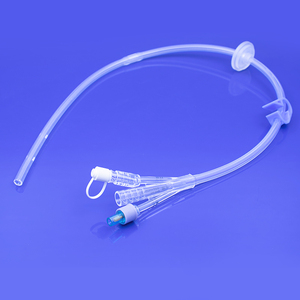
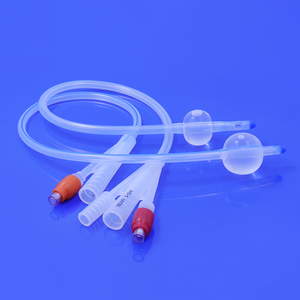
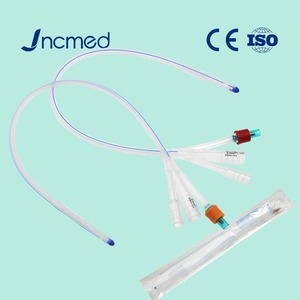
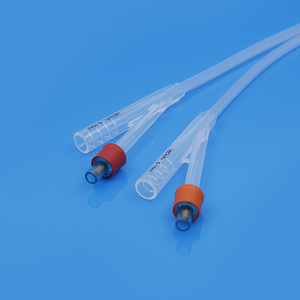
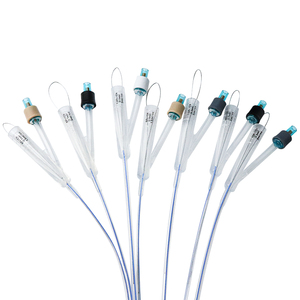
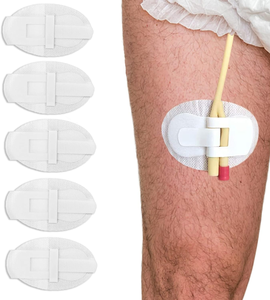
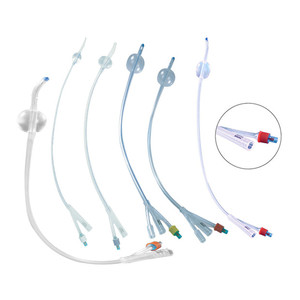
To optimize hospital logistics and procurement overheads, Romanian healthcare buyers increasingly seek consolidated sourcing partners. Beyond standalone ECG electrodes, purchasing units favor factories capable of supplying complete urology kits, silicone Foley catheters, securement devices, infusion sets, and respiratory disposables under a single audited ISO 13485 quality management standard.
Founded in 1994, Angiplast Private Limited has established itself over three decades as a premier global manufacturer and exporter of single-use medical devices. Operating out of state-of-the-art facilities in India, our production infrastructure is specifically structured to support high-volume, regulatory-compliant supply to over 52 countries across Europe, Latin America, the Middle East, and Asia.
All precision extrusion, high-frequency pouch sealing, electrode assembly, and packaging operations are conducted inside certified Class 10,000 (ISO Class 7) cleanrooms. Controlled environmental monitoring ensures minimal bioburden before final sterilization, protecting patient health.
Our captive industrial ETO sterilization plant operates under strictly validated exposure cycles. Comprehensive in-house laboratory testing verifies zero residual ETO gas and complete sterility assurance (SAL 10⁻⁶) prior to lot release and shipping.
We provide complete OEM/CDMO solutions for European brand owners. From customized electrode dimensions, specialized sensor connectors, and custom hydrogel formulations to Romanian-language pouch artwork, multilingual IFUs, and UDI barcoding.
With over 80% of our annual capacity exported worldwide, our logistics team manages container consolidation, ocean freight to Port of Constanța, air freight to Bucharest Henri Coandă Airport (OTP), and full customs documentation (FSC, COA, COO).
Key information for Romanian medical device importers, hospital procurement officers, and healthcare tender coordinators.
Yes. We provide complete technical documentation packages tailored for European market registration. This includes ISO 13485:2016 Quality Management System certificates, CE certificates issued by notified bodies, Declarations of Conformity under EU MDR 2017/745, Free Sale Certificates (FSC), biocompatibility reports according to ISO 10993, and shelf-life validation data.
Our ECG electrodes carry a validated shelf life of 24 to 36 months when stored in unopened, undamaged aluminum foil pouches. The multi-layer foil pouch protects hydrogel moisture content against environmental humidity fluctuations. Recommended storage conditions are between +5°C and +30°C away from direct sunlight.
Absolutely. As an experienced CDMO contract manufacturer, our graphic design and compliance team can customize pouch printing, inner box branding, and outer master cartons with translated Romanian text, local distributor contact details, instructions for use (IFU), and standardized GS1 DataMatrix / UDI barcodes.
For standard catalogue production runs, order completion typically takes 3 to 4 weeks post-artwork approval. Ocean shipments reach the Port of Constanța within 22-28 days transit time. Express air freight shipments to Bucharest (OTP Airport) can be arranged for emergency tender supply within 5-7 days.
Our Ag/AgCl sensor elements comply with ANSI/AAMI EC12 standards for defibrillation recovery. Following a cardiac defibrillation shock, the electrode restores a stable trace in under 2.5 seconds. Furthermore, integrated radio-translucent models are available to prevent imaging artifacts during X-ray and CT procedures in hybrid operating rooms.