Explore our high-precision diagnostic and catheter care disposables engineered in Class 10,000 cleanrooms for European healthcare institutions.
The Austrian healthcare system—renowned for its rigorous standards governed by the Federal Office for Safety in Health Care (BASG / AGES) and large public hospital holding structures like the Wiener Gesundheitsverbund and KAGes—demands exceptional quality, bio-compatibility, and signal precision in cardiac diagnostic consumables. As medical purchasing departments across Vienna, Graz, Linz, and Innsbruck transition to strict European Union Medical Device Regulation (EU MDR 2017/745) mandates, sourcing reliable diagnostic equipment becomes a critical operational priority.
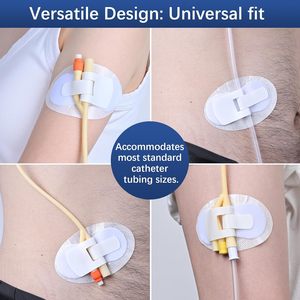
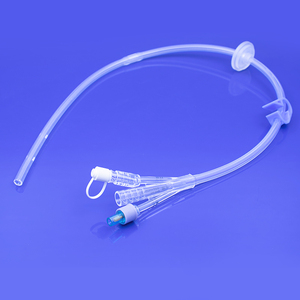
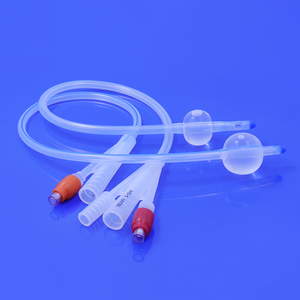
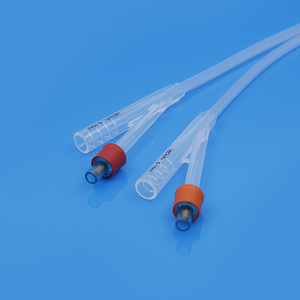
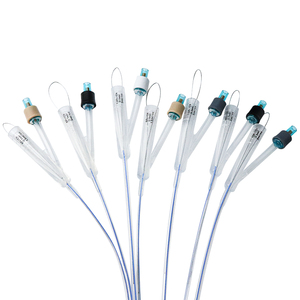
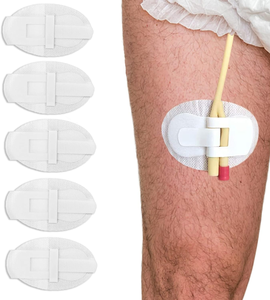
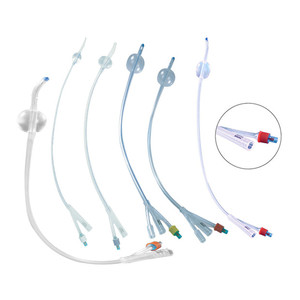
This B2B sourcing report and technical whitepaper evaluates the landscape of ECG Electrodes Manufacturers and Factories in Austria alongside qualified international OEM/CDMO supply chain partners. Whether procuring pre-gelled Ag/AgCl disposable monitoring electrodes, Holter telemetry stress-test patches, or complementary urological catheter securement devices, Austrian healthcare buyers require verified electrical performance, zero skin-sensitization hydrogels, and dependable contract manufacturing options.
Engineered to eliminate signal artifacts, impedance fluctuations, and skin irritation in acute and long-term diagnostic monitoring.
High-purity sensor substrates guaranteeing low AC impedance, minimal baseline drift, and rapid signal recovery after defibrillation events during emergency trauma care.
Hypoallergenic solid or wet hydrogel formulations designed to maintain moisture retention over 72-hour Holter monitoring without causing allergic contact dermatitis.
Exhaustively tested for cytotoxicity, intracutaneous reactivity, and skin sensitization to comply with stringent European MDR Class I and Class IIa medical standards.
Austria’s healthcare system combines high-tech tertiary care centers (such as Vienna General Hospital - AKH Wien) with extensive regional emergency response networks like the Austrian Red Cross (Österreichisches Rotes Kreuz) and SAMARITERBUND. Each environment presents distinct operational challenges for diagnostic monitoring hardware:
In Austrian ICUs, patient skin is frequently exposed to moisture, perspiration, and prolonged recumbency. Disposable ECG electrodes utilizing breathable, non-woven backing material combined with high-tack solid hydrogel prevent skin maceration while maintaining stable impedance below 2000 ohms. This ensures uninterrupted ST-segment monitoring without triggering false artifact alarms in central monitoring stations.
Outpatient cardiology clinics (Gattung Praxen and specialized outpatient departments) conduct high-motion stress tests on bicycle ergometers. These applications require flexible foam-backed ECG electrodes equipped with heavy-duty snap connectors and aggressive pressure-sensitive adhesives. Minimizing motion artifacts during peak physical exertion is vital for detecting subtle ischemic changes.
Pediatric cardiology departments demand specialized micro-size electrodes constructed with ultra-soft cloth backings and gentle, low-trauma hydrogels. These specialized configurations safeguard fragile neonatal skin during long-term physiological monitoring while providing precise signal transmission.
Pre-hospital emergency physician services require pre-gelled, rapid-application electrodes capable of operating across extreme temperature variations—from Alpine winter rescue missions to high-temperature summer transport. Long shelf-life foil pouch packaging guarantees immediate functional readiness upon opening.
Selecting the appropriate electrode design based on backing substrate, adhesive formulation, and sensor type is essential for optimal clinical outcomes:
| Electrode Type | Backing Material | Adhesive / Gel Type | Clinical Application | Recommended Duration |
|---|---|---|---|---|
| Foam Monitoring Electrode | Closed-cell PE Foam (Fluid-Resistant) | High-Tack Solid Hydrogel | Stress Ergometry, ER, OR | Up to 24 Hours |
| Non-Woven Breathable Patch | Microporous Soft Fabric | Hypoallergenic Conductive Gel | ICU, Telemetry, General Ward | Up to 72 Hours |
| Radiotranslucent ECG Patch | Carbon-Fiber / Plastic Snap | Low-Impedance Hydrogel | X-Ray, Cath Lab, MRI Compatible | Procedural Use |
| Pediatric / Neonatal Electrode | Ultra-Soft Cloth / Medical Film | Low-Trauma Hydrogel | Neonatal Care, Pediatrics | Up to 48 Hours |
| Holter Monitoring Electrode | Breathable Tape / Non-Woven | Long-Term Wet/Solid Hydrogel | 24h to 7-Day Holter Diagnostics | Multi-Day Monitoring |
Hospital purchasing consortiums across the DACH region (Germany, Austria, Switzerland) are rapidly re-evaluating their supply chain strategies. Key trends influencing procurement decisions in Austria include:
Combining 30+ years of medical device engineering with vertically integrated cleanroom manufacturing, automated assembly, and global export infrastructure.
From in-house precision injection molding and extrusion to hydrogel mixing, high-frequency welding, and automated pouch sealing—all under one cleanroom roof.
Assembly and primary packaging take place in strictly controlled, environmental air-monitored Class 10,000 (ISO Class 7) cleanrooms to minimize baseline bioburden.
In-house validated Ethylene Oxide (ETO) sterilizers ensure full batch traceability, residual gas verification, and rapid release turnaround times for urgent orders.
Decades of experience managing international freight, customs clearance documentation, multilingual packaging, and EU regulatory compliance dossiers.
Detailed technical and commercial answers tailored for medical device importers, hospital purchasing agents, and OEM partners in Austria.
Request technical product dossiers, factory audit credentials, or custom OEM price quotations tailored for Austrian and European medical supply tenders.