Explore our ISO 13485 certified, leak-proof specimen collection systems engineered for analytical precision, safe transportation, and seamless laboratory automation integration.
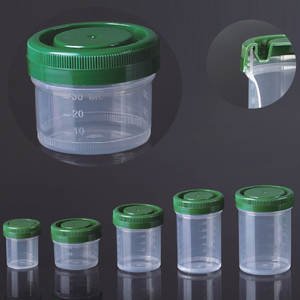
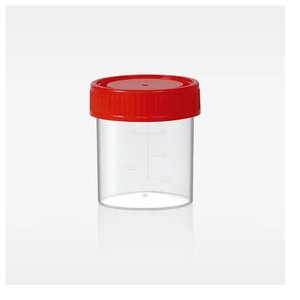
Leveraging three decades of technical mastery in polymer injection molding, cleanroom assembly, and stringent QA validation.
In modern clinical diagnostics and pathology workflows, specimen integrity represents the single most critical variable governing diagnostic accuracy. Biological samples—ranging from urine, sputum, and stool to histopathological tissue biopsies preserved in pre-filled formalin cups—must be harvested, contained, and transported under uncompromising sterility and leak-proof conditions. As a premier original equipment manufacturer (OEM) and Contract Development and Manufacturing Organization (CDMO) operating since 1994, our facilities integrate advanced polymer science with bio-functional ergonomic design to mitigate cross-contamination, volatile chemical evaporation, and structural degradation during pneumatic tube or air transport.
Primary specimen containers are subjected to extreme pressure differentials and environmental fluctuations during logistical routing. Standard plastic cups frequently suffer from micro-channel leakage around thread closures, cap deformation under pressure, or chemical leaching when exposed to aggressive fixatives like buffered neutral formalin. To resolve these vulnerabilities, our engineering team utilizes high-clarity medical-grade polypropylene (PP) and high-density polyethylene (HDPE) polymers optimized for structural rigidity, chemical inertness, and optical transparency.
Information Gain Insight: Modern automated laboratory sorters require containers with standardized dimensional tolerances (±0.15mm) and high optical clarity to facilitate high-speed barcode scanning and robotic liquid handler aspiration without mechanical jamming or false sensor reads.
Engineered with continuous multi-lead thread geometry that prevents cross-threading, ensuring an airtight seal with minimal closure torque applied by healthcare staff.
Specifically validated to withstand internal pressure differentials of 95 kPa without liquid egress, fully satisfying IATA / ICAO hazardous material shipping standards.
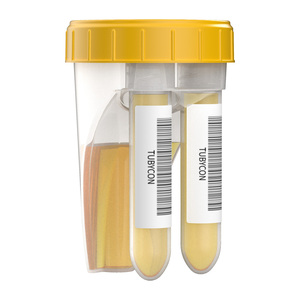
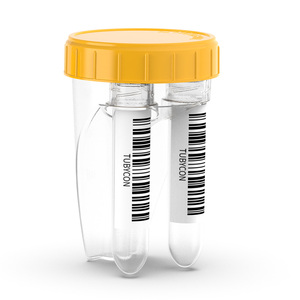
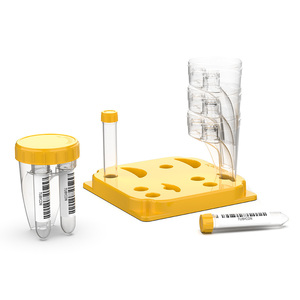
Features needleless closed-loop transfer caps compatible with standard vacuum urine collection tubes (such as 9mL evacuated tubes), eliminating manual decanting risk.
Operating out of our centralized manufacturing complex in India, our production setup encompasses over 300 active medical device SKUs distributed across 52 international territories. The integrity of our single-use diagnostic disposables is safeguarded by an ISO 13485 certified Quality Management System (QMS), CE mark technical documentation compliance, and selective US FDA 510(k) clearances. Unlike conventional plastic converters, our manufacturing operations maintain strict control over every critical process node—from raw polymer resin qualification to final terminal sterilization.
| Manufacturing Stage | Operational Parameters & Facility Standards | Quality Validation Metric |
|---|---|---|
| 1. Polymer Injection Molding | Controlled injection molding clean zone with automated robotic part extraction and virgin medical-grade PP/HDPE resin feed. | Dimensional tolerance verification via optical comparator (ISO 2859 sampling scheme). |
| 2. Cleanroom Assembly | Class 10,000 (ISO Class 7) positive-pressure cleanroom environments dedicated to manual and automated kit assembly. | Continuous airborne particulate monitoring & bioburden evaluation (ISO 14644-1). |
| 3. Terminal Sterilization | In-house industrial Ethylene Oxide (ETO) sterilizers operating validated cycles for packaged sterile product configurations. | Biological indicator (Bacillus atrophaeus) verification achieving SAL 10⁻⁶ sterility assurance. |
| 4. Chemical & Physical Testing | Comprehensive batch analysis in fully equipped physical, biological, and chemical analytical laboratories. | ETO residual analysis via Gas Chromatography (ISO 10993-7) & vacuum leak decay testing. |
Our captive tooling division allows rapid product iteration and OEM customization. Whether configuring specific graduation line increments, custom mold inserts for private label branding, or developing specialized formalin-prefilled containers with anti-splash baffles, our technical team works in close collaboration with global procurement groups, hospital chains, and pharmaceutical distributors.
As global healthcare systems expand diagnostic testing throughput while prioritizing occupational safety and environmental sustainability, procurement directors must align their supply chains with key macroeconomic and technological shifts. Sourcing strategies for specimen containers are transitioning from low-cost commoditized purchasing toward value-engineered, compliance-driven procurement contracts.
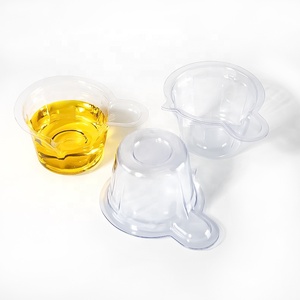
Needle-stick injuries and aerosol exposure during biological sample processing present significant biohazard risks to diagnostic laboratory personnel. Modern clinical guidelines strongly favor closed-system urine collection cups equipped with integrated transfer ports. Healthcare providers are phasing out traditional open-beaker cups in favor of needleless dual-collection units (such as our 60mL container with detachable 9mL vacuum tubes). This approach enables direct sample aspiration into evacuated tubes without exposing technicians to urine or requiring secondary pipetting steps.
With the decentralization of diagnostic testing and the growth of centralized reference laboratories, millions of biological specimens are transported daily via commercial and cargo aircraft. Regulatory bodies such as IATA, ICAO, and the DOT are enforcing strict compliance with Packing Instruction 650 (Biological Substance, Category B). Future-proof procurement mandates that all primary containers pass a pressure differential test of no less than 95 kPa in a temperature range of -40°C to +55°C.
Formaldehyde is a documented carcinogen and respiratory sensitizer. Histology laboratories are increasingly rejecting open formalin pour cups. Sourcing trends indicate a rapid surge in demand for enclosed formalin dosing containers, where the formaldehyde solution is isolated in a separate cap reservoir and released into the specimen chamber only after the cap is fully sealed by the surgeon or pathologist.
Precision-molded outer dimensions and standardized cap diameters enable high-speed processing on automated sorters, centrifuge rotors, and track-guided conveyors.
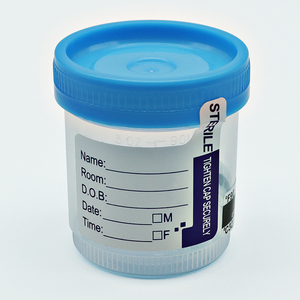
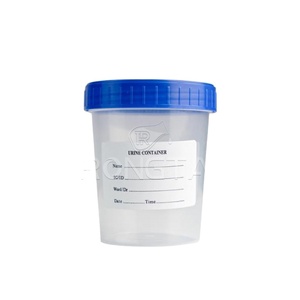
Flat, matte surface areas optimized for GS1-compliant UDI barcoding, thermal transfer printing, and high-contrast patient ID labeling without adhesive peeling.
Selecting the optimal polymer formulation is essential for achieving the required optical, mechanical, and thermal stability in diagnostic applications. Below is an engineering comparison matrix for healthcare buyers evaluating container specifications:
| Polymer Type | Clarity / Transparency | Chemical Resistance | Autoclavability & Temperature Range | Primary Clinical Application |
|---|---|---|---|---|
| Medical Grade Polypropylene (PP) | High (Translucent to Clear) | Exceptional (Acids, Bases, Formalin, Alcohols) | Autoclavable (up to 121°C); Excellent freeze resistance (-80°C). | Universal Urine Containers, Sputum Cups, 95kPa Transport Bottles, Formalin Tissue Containers. |
| High-Density Polyethylene (HDPE) | Medium (Opaque / Milky) | Superior stress-crack resistance & impact strength | Non-autoclavable (Max 80°C); Excellent impact resilience. | Heavy-duty 1000ml Stool Containers, Large-volume 24-Hour Urine Collection Bottles. |
| Medical PVC Formulations | Very High (Flexible / Rigid Variants) | Moderate (Sensitive to certain organic solvents) | EO Sterilization only (Max 65°C). | Specialized flexible collection bags, economical flat-bottom 20ml/40ml bench cups. |
Direct answers to critical technical, compliance, and commercial questions raised by medical device buyers, hospital procurement officers, and international importers.
Request factory-direct wholesale pricing, custom OEM mold development, or evaluation sample packs for your hospital system or distribution channel.
