ISO 13485 & CE Certified Hospital Consumables Engineered for Biohazard Security & Clinical Safety
The global healthcare landscape is witnessing an unprecedented emphasis on occupational safety, infection control, and rigorous clinical waste management protocols. At the epicenter of this safety framework is the humble yet technologically sophisticated sharps box container. Designed to prevent accidental needle-stick injuries (NSIs), cross-contamination, and the transmission of bloodborne pathogens such as Hepatitis B (HBV), Hepatitis C (HCV), and Human Immunodeficiency Virus (HIV), high-quality sharps containers are vital standard equipment across operating rooms, intensive care units, outpatient clinics, and home healthcare settings.
As the world’s leading hub for medical-grade plastic injection molding and clinical packaging, China has established itself as the top procurement origin for healthcare distributors, hospital groups, and medical supply importers worldwide. A premier China sharps box manufacturer & exporter provides not only cost-effective volume manufacturing but also advanced polymer engineering, adherence to stringent international standards (including BS EN ISO 23907, ASTM F2132, and OSHA Bloodborne Pathogens Standard 29 CFR 1910.1030), and comprehensive OEM/CDMO support.
Information Gain Insight: Modern sharps container manufacturing is shifting from simple disposal buckets to engineered safety closure systems featuring one-handed needle detachment ports, dual locking mechanisms (temporary seal for bedside transport vs. permanent final lock for incineration), and puncture resistance ratings exceeding 15 Newtons of force.
When procurement officers, government tender committees, and medical device brand owners evaluate China-based manufacturing partners, technical compliance and quality assurance systems form the cornerstone of vendor auditing. A reputable manufacturer must operate under an ISO 13485:2016 certified Quality Management System and demonstrate absolute control over raw materials, precision molding tooling, cleanroom assembly environments, and ethylene oxide (ETO) or gamma radiation sterilization protocols.
The primary defense against accidental needle penetration lies in virgin high-density polypropylene (PP) formulations. Unlike recycled plastics, which suffer from polymer chain degradation and unpredictable micro-fractures, virgin PP ensures uniform wall thickness and consistent impact toughness. Top manufacturers utilize real-time ultrasonic wall thickness gauges integrated into automated molding cells to ensure that every container wall strictly complies with puncture resistance benchmarks. Under ASTM F2132 standards, a sharp object (such as a 21G hypodermic needle or surgical lancet) must not penetrate the container wall under specified mechanical forces.
Modern sharps containers must balance operational convenience for clinical staff with impenetrable security during final transport and waste incineration. Key design elements include:
Utilizing high-impact virgin polypropylene polymer engineered to resist needle penetration >15N in full compliance with ASTM F2132 and ISO 23907 standards.
Class 10,000 (ISO Class 7) controlled assembly environment with automated injection molding, optical camera inspection, and zero human contamination.
Complete technical documentation, CE Mark registration, ISO 13485 certification, and Free Sale Certificates (FSC) to facilitate rapid importer custom clearance.
As healthcare systems pursue decarbonization and digital transformation, the sharps disposal market is undergoing profound structural shifts. Procurement directors must anticipate these key trends when selecting long-term manufacturing partners in China:
With healthcare facilities targeting net-zero carbon footprints, traditional single-use plastic waste presents environmental challenges. Forward-thinking China manufacturers are pioneering circular economy solutions, such as incorporating recycled post-industrial polypropylene (for non-contact outer shells) and developing bio-based polymers derived from renewable feedstocks. Furthermore, autoclave-compatible sharps containers—designed to withstand high-pressure steam sterilization without deforming or releasing toxic dioxin fumes—allow hospital networks to treat waste on-site prior to mechanical shredding.
To comply with stringent cradle-to-grave waste chain-of-custody laws (such as the EU Waste Framework Directive and US EPA regulations), next-generation sharps boxes are embedded with serialized RFID tags or high-density 2D DataMatrix barcodes. This enables automated tracking from the moment a container is unboxed in a hospital ward, through fill-level monitoring, to hazardous transport and high-temperature incineration verification.
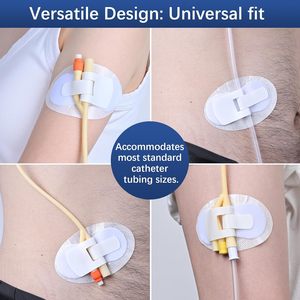
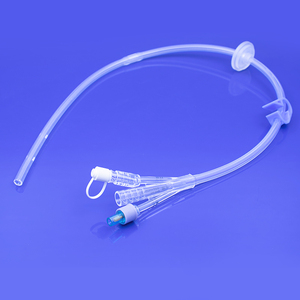
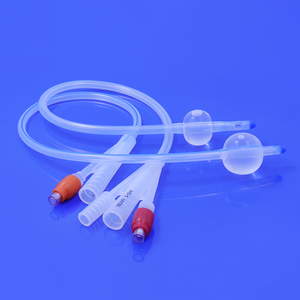
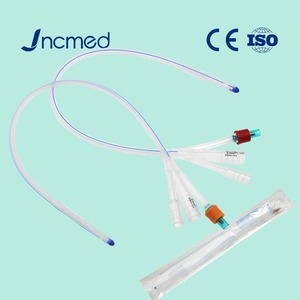
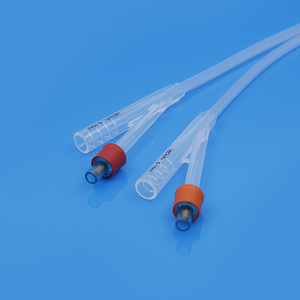
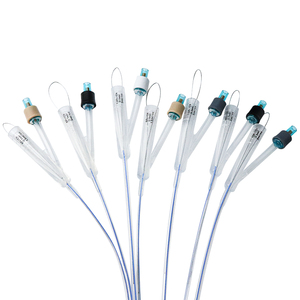
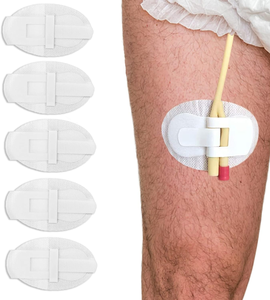
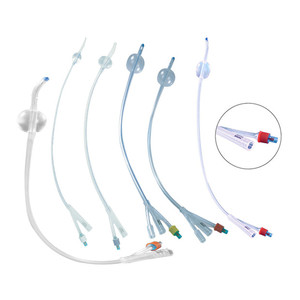
Leading hospital procurement networks increasingly favor single-source medical disposable suppliers who can consolidate high-volume clinical items—such as all-silicone Foley catheters, catheter fixation stickers, urinary leg bag holders, enteral feeding tubes, and biohazard sharps boxes—into single container shipments. This holistic sourcing strategy dramatically reduces ocean freight costs, simplifies supplier audits, and guarantees standardized quality control across diverse clinical lines.
To assist international medical buyers in evaluating complete clinical kits, the matrix below details technical specifications, material grades, and regulatory compliance standards across our core medical disposable portfolio:
Backed by over three decades of clinical manufacturing experience in state-of-the-art industrial parks, our facilities represent the pinnacle of China's medical export capabilities. Operating dedicated controlled injection molding zones, advanced automated assembly lines, Class 10,000 (ISO 7) cleanrooms, and an in-house Ethylene Oxide (ETO) sterilization station, we ensure complete control over every stage of production.
Every lot of sharps boxes and medical disposables undergoes comprehensive Quality Control (QC) testing prior to batch release. Physical testing includes drop-impact resistance from 1.5 meters, puncture resistance testing of side walls and base plates, leak-proof hydrostatic pressure tests, and ETO residual gas analysis (maintaining levels well below 10 ppm). This unyielding commitment to reliability is why our medical products are trusted by public health authorities, regional hospital tenders, and global OEM brand owners across more than 52 countries.
Direct Technical & Commercial Answers for Importers, Tender Managers & Medical Wholesalers
Our sharps containers and biohazard safety boxes are manufactured under an ISO 13485:2016 certified quality management system. They fully comply with ISO 23907-1:2019 (Sharps injury protection) and ASTM F2132 standard specifications for puncture resistance. Furthermore, products carry the European Conformity (CE) mark, and complete technical dossiers (including bioburden testing, drop test reports, and material safety data sheets) are available for regional importer registration.
For standard catalogue sharps containers and stock medical disposables, MOQs start at 1,000 units per SKU. For custom OEM branding—including customized silkscreen logos, multilingual biohazard warning labels, special color masterbatches (e.g., yellow, red, translucent white), or customized retail packaging—the MOQ is typically 5,000 units per production run. Flexible mixed-container loading (combining sharps boxes with silicone Foley catheters and fixation devices) is fully supported.
We utilize 100% virgin medical-grade polypropylene (PP) with high izod impact strength. Every production batch undergoes rigorous quality control testing in our in-house physical laboratory. Containers filled to capacity are subjected to 1.5-meter free-fall drop tests at extreme temperatures (-18°C to +50°C) to ensure zero cracking, lid detachment, or seam failure. Side walls are mechanically probed with standard hypodermic needles up to 15+ Newtons of force to prevent any risk of wall penetration.
Yes. Our experienced export desk regularly supports international distributors participating in Ministry of Health (MOH) tenders, WHO supply programs, and private hospital group contracts. We provide comprehensive registration dossiers, including Certificates of Free Sale (FSC), ISO 13485 certificates, CE Declarations of Conformity, technical drawings, sterilization validation summaries, and apostilled legal documents.
