Direct factory supply featuring medical-grade hydrocolloid adhesives, 100% liquid silicone formulations, and CE/ISO certified fixation devices for global distributors.
An authoritative evaluation of skin barrier chemistry, odor-mitigation barrier films, and high-frequency polymer welding in ostomy pouch production.
Modern stoma care demands an intricate balance between secure adhesion and peristomal skin protection. As a leading China ostomy bag factory & exporter, our R&D framework focuses heavily on the formulation of advanced hydrocolloid skin barriers. The barrier serves as the primary interface between human tissue and active stoma effluent, requiring superior moisture absorption and skin-friendly pH buffering.
Traditional ostomy adhesives relied on synthetic rubber compounds that often induced contact dermatitis and mechanical skin stripping during pouch removal. Next-generation hydrocolloid technology integrates sodium carboxymethylcellulose (CMC), pectin, and gelatin embedded within a flexible polyisobutylene (PIB) matrix. This tri-polymer network absorbs peristomal moisture at a controlled rate of 2.8 g/10cm²/24h, forming a cohesive gel that seals micro-contours around the stoma and prevents corrosive enzyme penetration (lipase and protease).
Gaseous containment and quiet operation are non-negotiable quality metrics for ostomy pouches. Our manufacturing facility utilizes 5-layer and 7-layer co-extrusion blown film lines incorporating Ethylene Vinyl Alcohol (EVOH) sandwiched between outer layers of low-density polyethylene (LDPE) and non-woven quiet fabric wrappers.
EVOH exhibits an exceptionally low oxygen transmission rate (OTR < 0.5 cm³/m²·day·atm), providing complete odor containment without requiring thick, rigid plastic layers. The exterior facing non-woven layer reduces rustling noises during patient movement, dramatically enhancing discreetness and psychological comfort for ostomates worldwide.

Figure 1: ISO Class 7 (Class 10,000) Cleanroom Assembly & Automated Pouch Sealing Facility.
| Feature / Parameter | 1-Piece Ostomy Pouch System | 2-Piece Ostomy System (Click & Adhesive Coupling) | Custom OEM / CDMO Options |
|---|---|---|---|
| Skin Barrier Type | Flexible, ultra-thin hydrocolloid wafer integrated directly into pouch | Heavy-duty, extended-wear hydrocolloid wafer with mechanical flange ring | Formulated hydrocolloid (Standard, Sensitive, or High-Tack) |
| Coupling Mechanism | Direct heat-sealed perimeter bond | Audible click-lock mechanical ring or flexible adhesive coupling floating flange | 45mm, 57mm, 70mm flange sizes with custom locking tabs |
| Drainage Closure | Integrated Velcro tail closure (Hide-away) / Clamp / Tap | Roll-up soft closure with activated carbon filter pack | Tailor-made clip or integrated soft-fold closure system |
| Film Structure | 5-Layer EVOH co-extruded film with soft non-woven lining | 7-Layer multi-layer high-barrier EVOH film with hydrophobic lining | Custom film gauge (75µm to 110µm) with bespoke color options |
| Filter Technology | Integrated activated carbon filter with liquid-proof membrane | Dual-stage microporous carbon filter for gas deodorization & venting | Customized gas filtration permeability rates |
| Clinical Target Use | Colostomy, Ileostomy, Post-operative immediate care | Long-term urostomy, high-output ileostomy, sensitive skin profiles | Private label institutional tenders & brand extension |
Combining vertical integration, automated injection molding, and captive ETO sterilization under a strict ISO 13485 quality management framework.
All ostomy pouches, urine collection bags, and Foley catheters are assembled and sealed inside strictly monitored Class 10,000 (ISO Class 7) cleanrooms. Positive pressure air handling systems eliminate particulate contamination, guaranteeing pristine bioburden control prior to final terminal sterilization.
Our factory operates in-house Ethylene Oxide (ETO) sterilizers with fully validated parametric release cycles. Every single manufacturing lot undergoes rigorous residual gas aeration and 14-day sterility incubation tests in accordance with ISO 11135 standards.
Featuring high-speed, fully automated electric injection molding machines for manufacturing catheter valves, stoma flanges, leg bag connectors, and stabilization devices with micrometric precision and minimal material stress.
Utilizing high-frequency (RF) heat sealing for ostomy pouch seams and liquid collection bags. This guarantees leak-proof tear resistance along all micro-edges, with seam tensile strengths exceeding international clinical standards by over 35%.
Equipped with automated tensile strength testers, hydrostatic burst testers, bioburden incubators, and gas chromatographs to ensure zero toxic leaching, bio-compatibility according to ISO 10993, and 100% batch traceability.
From initial CAD tooling design to custom pouch printing, multilingual Instructions for Use (IFU), and Unique Device Identification (UDI) barcoding, we empower medical brand owners to launch fully compliant products in global markets.
As a trusted contract manufacturer for multinational pharmaceutical and healthcare brands, our production facility in China offers complete flexibility across product lines. Whether you require custom hydrocolloid wafer shaping, specialized drain valve fittings, or private-label retail pouch artwork, our engineering team manages the entire project lifecycle.
Our regulatory compliance department maintains comprehensive Technical Files (STED format), clinical evaluation reports (CER), and biocompatibility documentation to streamline your local drug and medical device authority registrations (e.g., US FDA 510(k), EU MDR 2017/745, ANVISA, and SFDA).
Analyzing key technological shifts, environmental mandates, and supply chain strategies transforming global medical consumable procurement.
With single-use plastic waste under intense regulatory scrutiny across Europe and North America, hospital procurement boards are actively evaluating sustainable medical consumables. The next decade will see a major transition toward bio-based PE and biodegradable hydrocolloid backing films in ostomy care.
Our R&D team is pioneering plant-derived polyethylene outer layers that deliver equivalent EVOH gas barrier performance while reducing the carbon footprint of production by over 40%. Buyers sourcing from forward-looking China factories will gain a competitive edge in public healthcare tenders requiring strict ESG compliance.
Unintended stoma effluent leakage remains the primary cause of anxiety and skin breakdown in ostomy patients. The industry is moving rapidly toward "smart ostomy systems" equipped with printed flexible moisture sensors embedded into the hydrocolloid wafer.
These ultra-thin capacitive sensors monitor fluid migration toward the wafer edge and transmit real-time wireless alerts to a patient's smartphone or caregiver console before visible leakage occurs. As an OEM manufacturer, we are collaborating with digital health innovators to integrate printable conductive silver inks into automated wafer production lines.
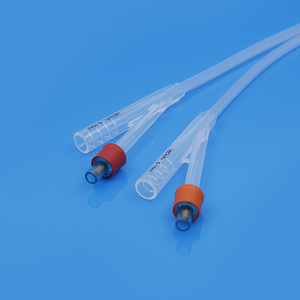
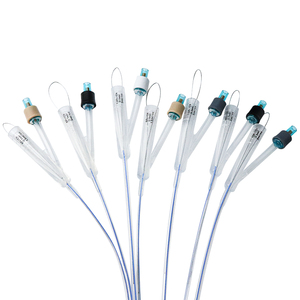
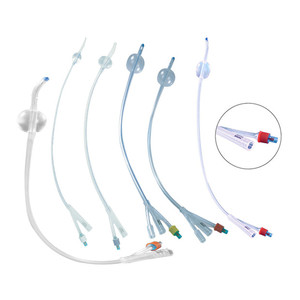
Modern urology and ostomy care are seeing a complete phase-out of traditional latex materials in favor of 100% medical-grade liquid silicone elastomer and soft hydrogels. Silicone Foley catheters and silicone-based skin barriers eliminate latex allergen risks, reduce encrustation caused by mineral deposits, and provide superior long-term tissue compatibility during extended 30-day catheterization cycles.
Global healthcare distributors are shifting away from fragmented spot purchasing toward long-term strategic CDMO partnerships. Importers demand suppliers capable of providing complete CE MDR technical documentation, UDI barcode integration, and pre-audited manufacturing facilities capable of insulating supply lines against raw material shortages and ocean freight disruptions.
Clear, direct technical responses to essential regulatory, minimum order quantity, and sterilization questions.
Our manufacturing facility operates under a certified ISO 13485:2016 Quality Management System. Our ostomy pouch lines and silicone Foley catheter families carry European CE Marking under EU MDR 2017/745, and selected product codes maintain US FDA 510(k) clearances. We issue complete Free Sale Certificates (FSC), Certificate of Analysis (COA) per batch, and full STED technical dossiers to support rapid local drug authority registration for importers in Latin America, the Middle East, Southeast Asia, and Africa.
For standard production items under our factory brand, minimum order quantities start at 5,000 units per SKU. For custom OEM, private-label packaging, customized pouch sizes, or specific hydrocolloid wafer shapes, the MOQ typically ranges between 10,000 to 30,000 units depending on the specific tooling, custom film printing requirements, and box artwork configuration. Contact our export desk to discuss customized low-volume initial trial batches.
Devices are fully assembled inside an ISO Class 7 (Class 10,000) cleanroom environment to maintain minimal initial bioburden. Terminal sterilization is executed in our captive Ethylene Oxide (ETO) plant following ISO 11135 validation protocols. Each batch is strictly tested for sterility compliance, bioburden, and ETO gas residual levels (below 4mg/device according to ISO 10993-7 guidelines) prior to quality assurance batch release.
Yes, our in-house design and regulatory departments provide end-to-end support for custom blister pouch artwork, inner box design, multi-language Instructions for Use (IFU) translation, and Unique Device Identification (UDI) matrix barcoding compliant with GS1 international standards. This ensures your products arrive fully compliant for immediate commercial sale or hospital tender submission.
Standard catalog repeat orders generally ship within 20 to 30 calendar days following formal purchase order confirmation and artwork sign-off. First-time customized OEM tooling orders typically require 45 to 60 days to allow for mold fabrication, initial sample inspection (FAI), and bio-compatibility verification. We support FOB, CFR, CIF, and DDP shipping terms with specialized container loading to optimize freight volume.
Our advanced tropicalized hydrocolloid formula incorporates cross-linked sodium carboxymethylcellulose (CMC) and specialized tackifiers that maintain structural integrity even in ambient humidity exceeding 85% RH and body temperatures up to 40°C. The barrier resists thermal erosion, preventing skin maceration and melted adhesive residue during prolonged wear in tropical environments.
Inquire today to request comprehensive product catalogs, OEM engineering feasibility studies, sample kits, and factory-direct wholesale quotation packs.
