Precision-engineered single-use medical devices produced under strict Class 100,000 cleanroom environments for global clinical compliance.
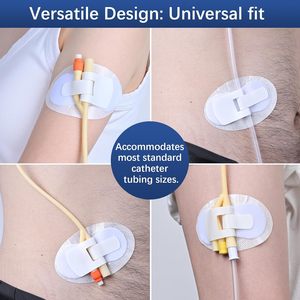
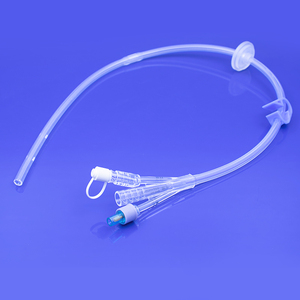
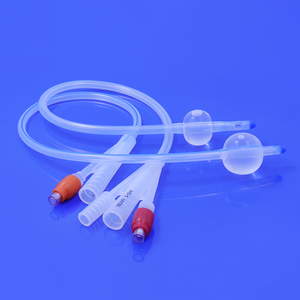
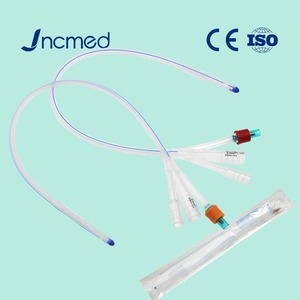
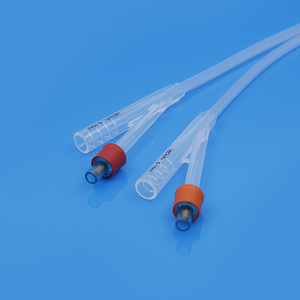
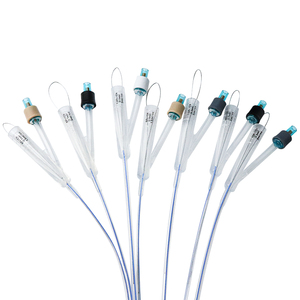
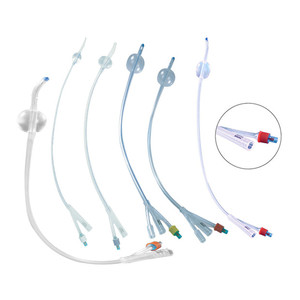
In modern clinical neonatology, pediatric care, and emergency airway management, the mechanical mucus extractor stands as a critical first-line intervention device. Designed specifically for the safe aspiration of secretions from an infant's nasopharynx or oropharynx immediately following delivery or during severe respiratory distress, the structural integrity of these medical disposables directly affects patient safety and clinical outcomes. Leading Chinese medical manufacturing hubs have evolved from basic plastic moulding operations into vertically integrated, biomedical-grade production facilities compliant with stringent global regulatory directives, including the European Union Medical Device Regulation (EU MDR 2017/745) and US FDA 21 CFR 820 quality system regulations.
A high-performance infant mucus extractor comprises three primary functional components: a graduated, transparent collection container (typically manufactured from high-clarity polycarbonate or medical-grade polypropylene), a soft suction catheter tip designed to minimize mucosal tissue trauma, and an ergonomic operator mouthpiece or vacuum machine connector featuring an inline hydrophobic microbiological barrier filter. The incorporation of a hydrophobic 0.22-micron viral/bacterial filter prevents accidental cross-contamination and fluid aspiration by healthcare providers during manual suction procedures, fulfilling international infection control guidelines established by WHO and CDC.
Material selection represents a pivotal engineering phase. Conventional polyvinyl chloride (PVC) formulations utilized historically raised clinical concerns due to the potential migration of phthalate plasticizers such as di(2-ethylhexyl)phthalate (DEHP). Modern OEM manufacturing protocols in top-tier Chinese facilities mandate the use of strictly DEHP-free, plasticizer-stabilized PVC or liquid silicone rubber (LSR). These advanced polymers ensure optimal shore durometer flexibility—preventing catheter kinking while remaining soft enough to traverse fragile neonatal anatomy without causing epithelial abrasions or inducing reflex bradycardia.
As a prominent medical device manufacturer with decades of specialized polymer synthesis and device packaging experience, operational excellence relies on comprehensive process validation. Production steps—from raw resin drying, micro-injection molding, and high-precision tube extrusion to ultrasonic tip forming and high-frequency membrane welding—occur entirely within certified ISO Class 7 (Class 10,000) or ISO Class 8 (Class 100,000) cleanroom environments. Air circulation and particle counts are continuously monitored via automated environmental sensing arrays to prevent bioburden accumulation prior to primary packaging.
Multi-layer polymer co-extrusion guarantees uniform wall thickness, precise lumen concentricity, and kink-resistant tensile strength along the catheter length.
In-house ETO processing validated under ISO 11135 standards ensures Sterility Assurance Levels (SAL 10⁻⁶) while maintaining minimal residual gas limits.
100% automated vision inspection systems verify seal integrity, volumetric graduation printing accuracy, and mechanical joint pull-force limits.
Sterilization validation forms the backbone of regulatory compliance for sterile single-use disposables. Utilizing industrial Ethylene Oxide (ETO) chambers, cycles are meticulously calibrated across pre-conditioning, gas exposure, vacuum evacuation, and aeration phases. Each production batch undergoes rigorous biological indicator (BI) testing using Bacillus atrophaeus spores alongside gas chromatography testing to ensure residual ETO and ethylene chlorohydrin (ECH) levels fall significantly below the threshold limits specified in ISO 10993-7.
The global market for respiratory disposables and urological drainage systems is undergoing a profound structural shift driven by heightened healthcare-associated infection (HAI) prevention protocols, expanding neonatal intensive care units (NICUs) in emerging economies, and consolidated group purchasing organizations (GPOs) demanding greater supply chain transparency. Procurement officers and hospital buyers must evaluate several emerging technology trends when selecting OEM manufacturing partners in China:
To assist procurement managers in evaluating catheter and extractor configurations, the following matrix outlines technical differences between standard single-use aspirators, closed-system suction setups, and pediatric silicone units:
| Product Specification | Standard Infant Mucus Extractor | Closed-System Suction Kit | Pediatric Silicone Foley Catheter |
|---|---|---|---|
| Primary Material Construction | DEHP-Free Medical PVC / PP | Medical Grade TPU & Polycarbonate | 100% Elastomeric Liquid Silicone |
| Capacity / Size Range | 25ml to 150ml Graduation | 5Fr to 16Fr Catheter Sleeves | 6Fr to 10Fr (Pediatric Balloon) |
| Infection Control Barrier | Hydrophobic 0.22µm Filter | Sealed Protective Sheath & Valve | Anti-Reflux Chamber Mechanism |
| Target Clinical Environment | Delivery Room / NICU / Ward | ICU / Mechanical Ventilation | Pediatric Urology / Post-Surgical |
| Sterilization Method | ETO Gas (ISO 11135 Validated) | Gamma Irradiation / ETO | ETO Gas (ISO 11135 Validated) |
| Regulatory Approvals | CE Class IIa, ISO 13485, US FDA | CE Class IIb, US FDA 510(k) | CE Class IIb, ISO 13485, US FDA |
Choosing an established Chinese medical manufacturing partner extends far beyond unit price considerations. It requires a comprehensive audit of engineering depth, raw material stability, regulatory asset access, and contract manufacturing (CDMO/OEM) adaptability. Our integrated production matrix delivers distinct competitive advantages designed to de-risk high-volume procurement contracts:
1. In-House Toolroom & Custom Mould Engineering: Operating an internal CNC machining and spark erosion toolroom allows our engineering team to design, prototype, and validate custom injection moulds within 30 to 45 days. Whether your market requires specialized suction tip geometry, custom volume graduation marks, or branded color coding, our turn-key CDMO capability eliminates third-party tooling delays.
2. Vertical Supply Chain Control: From compounding medical-grade PVC granules to in-house printing, pouch sealing, and master carton shipping, every critical manufacturing phase occurs within our unified industrial campus. This eliminates external processing risks, safeguards intellectual property, and enables real-time batch trace-ability.
3. Comprehensive Regulatory Dossier Support: Navigating global registration requirements demands robust technical documentation. We support our overseas distributors, OEM brand owners, and hospital tender bidders by providing comprehensive technical files, including ISO 10993 biological evaluation reports (cytotoxicity, sensitization, intracutaneous reactivity), stability test data, packaging integrity validation, and apostilled Free Sale Certificates (FSC).
For custom OEM branding, private-label pouch printing, and customized kit configurations, our standard MOQ starts at 10,000 units per SKU. For standard catalogue items in generic sterile packaging, flexible batch sizes can be accommodated based on production line scheduling.
Yes. All devices are individually sealed in medical-grade paper-poly peel pouches, packed into protective inner boxes, and subjected to validated Ethylene Oxide (ETO) sterilization cycles achieving an SAL of 10⁻⁶. Sterilization certificates accompany every shipping container.
Absolutely. We strictly enforce DEHP-free and Natural Rubber Latex-free material policies across our suction catheter, mucus extractor, and silicone Foley catheter lines to prevent allergic reactions and meet stringent EU MDR safety standards.
Every batch undergoes automated and manual pull-force tensile testing according to ISO standards. Connectors and tubing bonds are solvent-welded or mechanically locked to withstand forces exceeding clinical requirements, eliminating accidental separation during critical suctioning.
We provide full technical support including CE Certificates of Conformity, ISO 13485 QMS documentation, Device Master Files (DMF), material safety data sheets (MSDS), test reports, and notarized Free Sale Certificates (FSC) tailored to your country's regulatory agency requirements.
Standard lead time for a 20ft or 40ft High Cube container of sterile medical disposables is approximately 30 to 40 calendar days following artwork approval and deposit confirmation. Accelerated delivery options are available for repeat contract orders.
Partner with China's leading medical disposable manufacturer. Contact our export engineering team today to receive sample kits, technical dossiers, and volume wholesale pricing.
