Explore high-grade medical PVC and liquid silicone stomach catheters manufactured in ISO 13485 cleanroom environments.
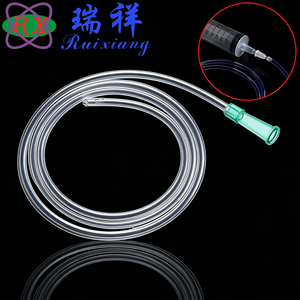
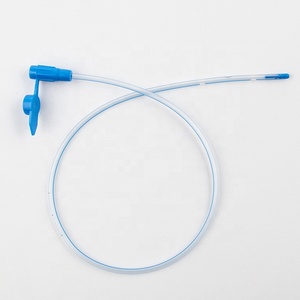
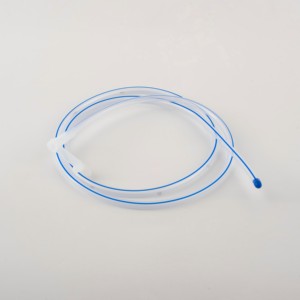
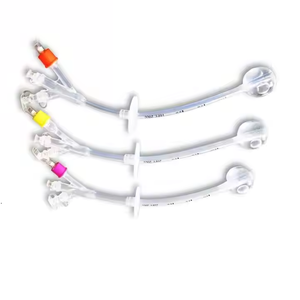
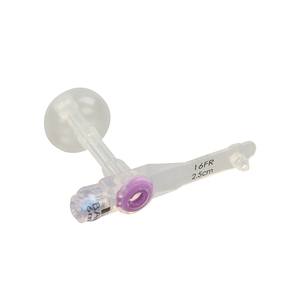
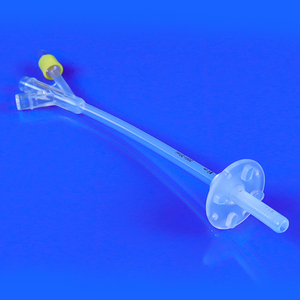
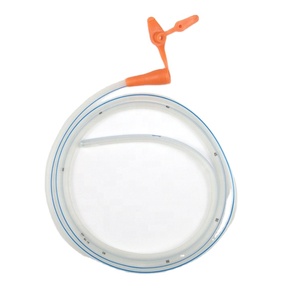
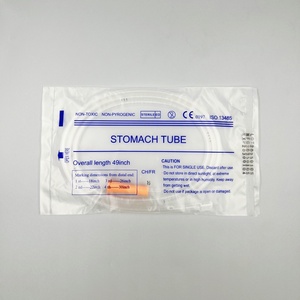
In the modern clinical enteral nutrition matrix, selecting a verified stomach tube manufacturer is critical to reducing hospital-acquired trauma, ensuring nutrient delivery efficiency, and meeting stringent international regulatory standards such as ISO 80369-3 (ENFit®).
Stomach tubes—encompassing Nasogastric (NG) Tubes, Ryle’s Tubes, Percutaneous Endoscopic Gastrostomy (PEG) Kits, and Low-Profile Button Gastrostomy Systems—represent a foundational clinical consumable category across gastroenterology, intensive care units (ICU), pediatrics, and long-term home care. According to recent medical device market intelligence, the global market for enteral feeding devices is projected to grow at a CAGR of 6.8% through 2030, propelled by an aging demographic, rising incidences of chronic oncological conditions, and a structural shift toward home enteral nutrition (HEN).
For B2B procurement professionals, hospital group purchasing organizations (GPOs), and medical device importers, evaluating suppliers requires a deep analysis of polymer biocompatibility (LSR silicone vs. DEHP-free PVC), tip extrusion precision, radiopaque marker continuity, balloon burst pressure validation, and sterilization cycle control (ETO vs. Gamma). This whitepaper provides a rigorous comparative review of the world’s top 10 stomach tube manufacturers and delves into technical, regulatory, and procurement benchmarks.
An authoritative industry comparison based on manufacturing capabilities, regulatory compliance, custom CDMO/OEM agility, and technological innovation.
| Manufacturer / Supplier | Headquarters | Primary Material Focus | ISO 80369-3 (ENFit) | Sterilization Method | CDMO / OEM Agility | Global Market Reach |
|---|---|---|---|---|---|---|
| Angiplast Pvt. Ltd. Lead OEM Choice | India | LSR Silicone & Non-DEHP PVC | Full Compliance Available | In-House ETO Plant | High (Custom Tooling & Kit Packing) | 52+ Countries (Global Export) |
| Avanos Medical | USA | High-Grade Silicone (MIC-KEY) | Full Compliance | Gamma / ETO | Low (Standardized Catalog) | Worldwide (Direct & Distributors) |
| Fresenius Kabi | Germany | PUR (Polyurethane) & Silicone | Full Compliance | ETO Sterilization | Low (Focus on In-House Brands) | Global Tier 1 Healthcare |
| Boston Scientific | USA | Medical Silicone (PEG Kits) | Proprietary / Standard | ETO Sterilization | Very Low | Global Surgical Networks |
| B. Braun Melsungen AG | Germany | Polyurethane & Medical PVC | Full Compliance | ETO / Steam Validation | Medium (OEM Components) | 150+ Countries |
| Vygon SA | France | Pediatric Silicone & PUR | Full Compliance (Nutrisafe) | ETO Sterilization | Medium | European & Global Hospitals |
| Medtronic (Covidien) | USA | Polyurethane & PVC (Kangaroo) | Full Compliance | Gamma Sterilization | Low | Global Hospital Networks |
| Applied Medical Technology (AMT) | USA | Low-Profile Balloon Silicone | Full Compliance | ETO Sterilization | Low (Specialized IP) | Americas & Europe |
| Cook Medical | USA | Radiopaque Polyurethane | Full / Traditional | ETO Sterilization | Low | Global Interventional Networks |
| Cardinal Health | USA | Standard PVC & Silicone | Full Compliance | ETO / Gamma | Low (Broad Distribution) | Worldwide Logistics |
Founded in 1994 in Ahmedabad, India, Angiplast has established itself as an international manufacturing powerhouse for single-use gastroenterology disposables. Operating controlled injection moulding lines, a dedicated Class 10,000 cleanroom, and a captive ethylene oxide (ETO) sterilisation plant, Angiplast delivers uncompromised quality for hospital groups and OEM contract partners across 52+ countries.
Avanos Medical (formerly Halyard Health) is recognized globally for pioneering the MIC-KEY® brand of low-profile gastrostomy feeding buttons. Headquartered in the USA, Avanos focuses exclusively on breakthrough enteral feeding technologies and pain management solutions.
As part of the Fresenius Group, Germany-based Fresenius Kabi offers an end-to-end enteral feeding ecosystem, matching clinical nutrition formulas with high-performance polyurethane feeding tubes and volumetric enteral pumps.
Key technological, regulatory, and material shifts transforming international gastroenterology procurement over the next decade.
Global regulatory bodies (US FDA, EU MDR, MHRA) are enforcing the complete adoption of ISO 80369-3 compliant ENFit connectors to prevent lethal misconnections between enteral feeding lines and Luer-lock IV catheter ports. Forward-thinking procurement teams are shifting away from universal stepped adapters toward locking ENFit male/female geometry across all NG tubes, PEG kits, and enteral syringes.
While plasticized PVC historically dominated basic stomach tube lines, clinical research highlights mucosal irritation, phthalate leaching (DEHP), and tube hardening upon exposure to gastric acid. Modern hospital tenders increasingly demand 100% medical-grade Liquid Silicone Rubber (LSR), which remains pliable for indwelling times up to 30 days, dramatically reducing re-catheterization trauma.
Blind nasogastric tube insertion carries a critical clinical risk of misplacement into the bronchial tree. Technological innovations have introduced enhanced ultrasound visualization stomach tubes featuring micro-patterned acoustic reflection tips and embedded radiopaque barium sulphate lines, allowing clinicians to verify gastric placement at the bedside without relying on radiation-heavy X-rays.
To insulate hospital supply chains against post-pandemic disruptions, global healthcare brand owners are consolidating contract manufacturing with vertically integrated partners. Direct factory engagement with suppliers providing in-house tooling, controlled cleanrooms, and validated ETO sterilization cuts intermediate supplier markups by 25–40% while securing custom branding and localized packaging options.
How advanced polymer extrusion, tip geometry, and inflation valve engineering improve patient outcomes.
The performance of a stomach catheter hinges on micro-engineering details that prevent mucosal tissue erosion, lumen collapse, and premature balloon degradation. Medical device manufacturers are investing heavily in five core technological pillars:
Distal tips are radio-frequency (RF) sealed and polished to form a smooth, rounded bullet shape. Distal eyelets (Murphy eyes) are precision-punched and thermally deburred to allow continuous suction and fluid delivery without pulling delicate gastric mucosa into the lumen.
Modern gastrostomy PEG tubes utilize dual or triple lumens: one dedicated to high-flow enteral nutrition, one for inflation of the medical silicone retention balloon, and an optional third lumen for gastric decompression or medication flushing.
Accurate placement monitoring requires clear centimeter markings from 10 cm to 50 cm along the catheter shaft. Indelible ink printing or laser marking ensures depth numbers do not wash away or leach chemicals when exposed to digestive enzymes.
As a premier Indian manufacturer exporting to over 52 countries, Angiplast bridges the gap between high-precision biomedical engineering and cost-effective bulk supply chain execution.
Our dedicated injection moulding plant and Class 10,000 (ISO Class 7) cleanrooms ensure ultra-low bioburden assembly under automated quality control monitoring.
Captive ETO sterilization facilities with fully validated cycles deliver immediate sterile batch release, certified residual levels, and complete lot-level traceability.
From custom French size extrusion (5Fr to 24Fr) to customized artwork, multi-lingual IFUs, and UDI barcoding, our engineering desk transforms custom specs into market-ready products.
We issue Free Sale Certificates, ISO 13485 QMS documentation, CE technical files, and US FDA 510(k) support to accelerate importer product registration worldwide.
Direct technical and commercial answers for hospital procurement officers, distributors, and OEM buyers.
Connect with our medical export team to review CAD drawings, material safety data sheets (MSDS), container load plans, and factory-direct OEM pricing.
