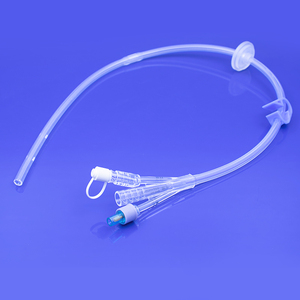
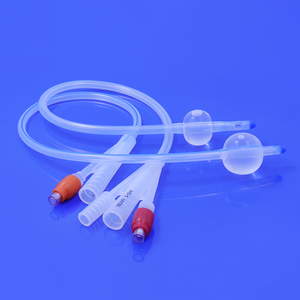
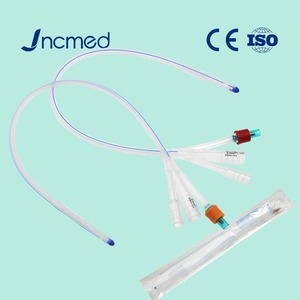
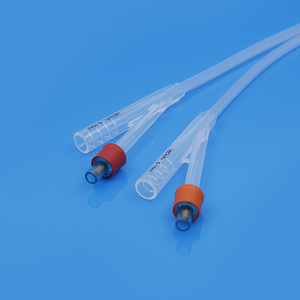
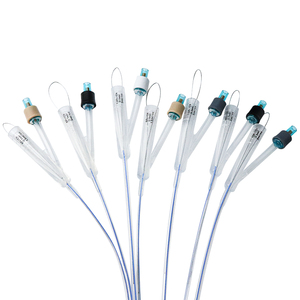
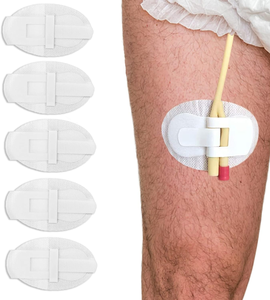
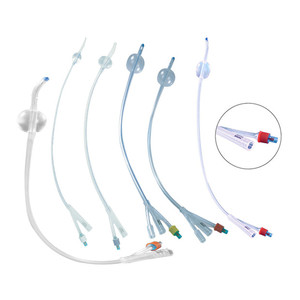
The global balloon catheter market is experiencing a profound paradigm shift driven by advancing minimally invasive surgical procedures, expanding urological care needs, and increasing stringent global regulatory standards (such as EU MDR 2017/745 and US FDA 510k controls). For hospital procurement managers, OEM brand owners, and medical device importers, choosing the right balloon catheter manufacturer is a mission-critical decision impacting patient outcomes and corporate liability.
A high-performance balloon catheter—whether utilized in urological catheterization (Foley catheters), PTCA angioplasty, or enteral feeding—demands zero-defect manufacturing precision. The catheter lumen must maintain consistent wall thickness, while the retention balloon requires precise inflation symmetry and burst-resistant elastomeric memory.
When conducting supplier quality audits on prospective balloon catheter factories, technical directors must evaluate five core technical pillars:
Balloons must expand symmetrically without eccentric distortion. High-end factories use automated optical inspection (AOI) to verify wall uniformity down to ±0.01mm.
100% silicone material minimizes mucosal friction. Hydrophilic and antimicrobial (silver ion / nitrofurazone) coatings drastically lower CAUTI incidence rates.
The inflation lumen valve must handle repeated syringe insertions without back-leakage, maintaining steady balloon inflation over extended indwelling periods (up to 30 days).
Understanding raw material differences is vital for long-term clinical compliance and tenders:
| Technical Parameter | 100% Medical-Grade Liquid Silicone | Silicone-Coated Natural Latex | Thermosetting TPU (Polyurethane) |
|---|---|---|---|
| Tissue Biocompatibility | Ultra-High (Inert, Non-cytotoxic) | Moderate (Risk of Latex Allergy) | High (Softens at Body Temp) |
| Maximum Indwelling Time | Up to 30 Days (Long-term) | Up to 7 Days (Short-term) | 14 to 30 Days |
| Lumen Inner Diameter Ratio | Maximised (Clear drainage lumen) | Reduced (Thicker wall required) | Optimal (Thin, rigid wall) |
| Encrustation Risk | Extremely Low (Smooth hydrophobic surface) | Moderate to High | Low |
| Factory Unit Cost Range | Premium / High Value | Economy / Tender-Driven | Mid to High |
Global manufacturing of balloon catheters is concentrated across key international clusters, each offering specific strategic advantages:
Partnering with an established medical device manufacturer eliminates intermediary quality risks. Operating out of state-of-the-art facilities in India, our production ecosystem integrates controlled injection molding, precision tube extrusion, RF pouch welding, and cleanroom assembly inside monitored Class 10,000 (ISO Class 7/8) environments.

Transitioning from traditional dip-molding to high-speed LSR multi-cavity injection molding ensures hyper-consistent wall dimensions and eliminates structural weak spots in retention balloons.
Next-generation Foley catheters feature embedded micro-sensors for real-time intravesical pressure monitoring, core body temperature tracking, and early infection biophysical markers.
Global environmental mandates require complete elimination of DEHP/phthalate plasticizers and PFAS chemicals from medical tubing, accelerating adoption of pure silicone and TPU lines.
Connect directly with our engineering and regulatory export desk for competitive price quotes, custom tool development estimates, or factory audit requests.
