Explore our flagship OEM/ODM disposable medical devices. Manufactured in Class 10,000 cleanrooms with medical-grade silicone, polyurethane (PUR), and phthalate-free polymers.
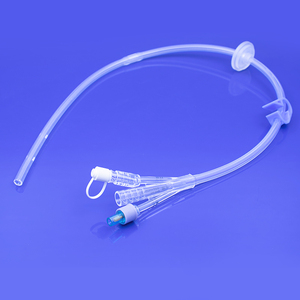
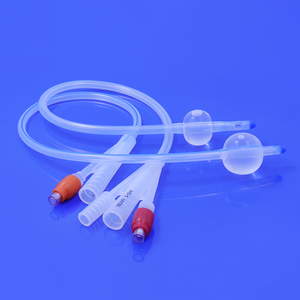
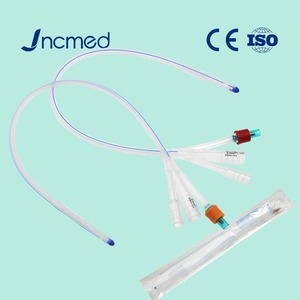
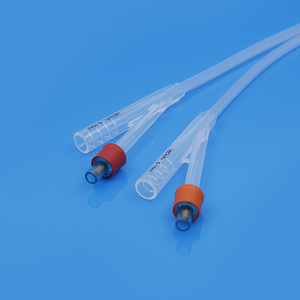
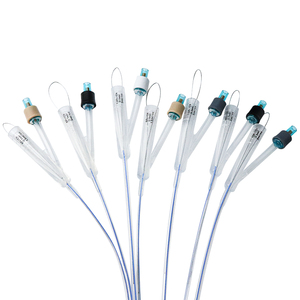
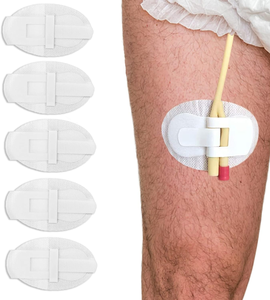
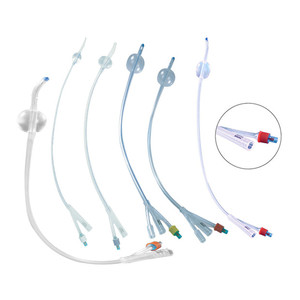
A comprehensive analysis on clinical governance, polymer material advancements, ISO 80369-3 ENFit® standards compliance, and strategic CDMO sourcing for enteral nutrition devices.
In contemporary clinical gastroenterology, intensive care, and long-term home healthcare, enteral feeding tube systems serve as critical life-support interfaces. Designed to supply essential nutritional solutions, fluids, and medications directly into the stomach, duodenum, or jejunum, feeding tubes have transitioned from simple fluid conduits into highly sophisticated, biocompatible medical devices.
As global medical regulations undergo systemic shifts under the European Union Medical Device Regulation (EU MDR 2017/745) and US FDA 510(k) mandates, the operational requirements imposed on Original Equipment Manufacturers (OEM) and Original Design Manufacturers (ODM) have expanded dramatically. Enterprise procurement directors, hospital tender managers, and global pharmaceutical brand owners require manufacturing partners who possess absolute control over raw polymer purity, automated extrusion tolerances, tip-forming mechanics, and captive ETO sterilization processes.
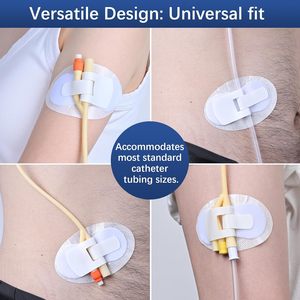
Angiplast Private Limited, operating as a premier medical disposable contract development and manufacturing organization (CDMO) since 1994, bridges the gap between precision mechanical engineering and regulatory compliance. Our facilities integrate high-volume manufacturing capabilities across enteral nutrition tubing, Percutaneous Endoscopic Gastrostomy (PEG) accessories, nasogastric (NG) tubes, infant feeding lines, and urological catheter securement platforms.
A fundamental technical decision during OEM feeding tube co-development involves selecting the appropriate polymer matrix. Material selection governs dwell-time limits, acid resistance, tissue trauma mitigation, and fluid dynamic performance.
| Polymer Material | Clinical Dwell Time | Biocompatibility Profile | Mechanical Properties | Primary Clinical Indications |
|---|---|---|---|---|
| Polyurethane (PUR) | Medium to Long-Term (Up to 30 Days) | High lipid stability; non-reactive; DEHP/Phthalate-free; ISO 10993 compliant. | Solvent-softens at body temperature; high tensile strength allows thinner walls & wider lumen. | Nasogastric (NG), Nasojejunal (NJ), and Micro-bore Pediatric Enteral Lines. |
| Medical Silicone | Long-Term (30 Days to 6 Months+) | Ultra-inert; platinum-cured; minimal tissue reaction; resistant to gastric acid oxidation. | Extremely soft, flexible, non-softening; low tear strength requires thicker wall design. | PEG Tubes, G-Tubes, Low-Profile Gastrostomy Buttons, Foley Catheters. |
| Phthalate-Free PVC | Short-Term (< 7 Days) | Non-DEHP plasticized; meets REACH and EU Directive standards. | Rigid at room temperature for easy insertion; economical high-volume utility. | Acute Care Ryle's Tubes, Short-term Stomach & Infant Feeding Lines. |
Engineered Polyurethanes (PUR) provide an exceptional strength-to-lumen ratio, permitting larger internal diameters while maintaining small outer Fr sizes (French scale). This minimizes patient discomfort during nasopharyngeal passage while mitigating occlusion risks during high-viscosity formula administration.
One of the most critical safety transformations in enteral delivery is the international mandate for small-bore connectors governed by ISO 80369-3 (ENFit). Designed specifically to eliminate lethal misconnections between enteral feeding systems, IV lines, tracheostomy cuffs, and epidural catheters, ENFit connectors feature unique geometric dimensions that physically prevent cross-coupling with standard Luer locks.
Accurate anatomical positioning of a feeding tube is vital to prevent aspiration pneumonia caused by accidental bronchial placement. OEM manufacturing at Angiplast incorporates state-of-the-art multi-layer co-extrusion technology.
Key technological shifts, regulatory mandates, and supply chain strategies driving global procurement decisions for hospitals, brand owners, and medical device distributors.
Healthcare systems across North America, Western Europe, and Asia-Pacific are actively decentralizing care. Home Enteral Nutrition (HEN) reduces bed-occupancy costs, driving unprecedented demand for long-lasting, patient-friendly feeding systems.
Neonatal Intensive Care Units (NICUs) demand extreme precision in enteral fluid delivery. Global procurement is heavily prioritizing micro-bore polyurethane tubing (sizes 4Fr to 6Fr) equipped with specialized Low Dose Tip connectors.
Post-pandemic supply chain vulnerabilities and geopolitical tensions have compelled medical brands to diversify their manufacturing footprints away from single-source reliance.
Discover how material science, surface modification, and smart sensor integration are shaping the next generation of gastrostomy and nasogastric products.
Bacterial biofilm formation along the inner and outer surfaces of long-term enteral feeding tubes presents a major clinical challenge, frequently leading to tube clogging and secondary local infections.
Next-Gen Surface Modifications: Leading ODM manufacturers are integrating silver nanoparticle additives and hydrophilic lubricious coatings onto polyurethane extrusion channels. These surfaces create a hydration layer that dramatically lowers friction during blind placement while repelling proteins, lipids, and microbial adhesion.
Misplacement of nasogastric tubes into the respiratory tract remains a critical "never event" in hospital care. Traditional X-ray confirmation incurs time delays and radiation exposure.
Integrated Smart Sensors: Emerging technological roadmaps incorporate optical pH sensor tips, electromagnetic tracking stylets, and micro-impedance sensors directly into the feeding tube tip. These advancements enable real-time bedside verification of tube tip positioning inside the stomach without radiologic intervention.
With over three decades of medical device manufacturing excellence, Angiplast Private Limited combines world-class infrastructure with rigorous quality management to support healthcare leaders globally.
From medical polymer compounding and precision injection moulding to automated extrusion, assembly, and pouch sealing—every step takes place within our controlled Class 10,000 (ISO Class 7) cleanrooms in Gujarat, India.
Our facility houses an in-house Ethylene Oxide (ETO) sterilization chamber with fully validated cycle controls. Every batch undergoes rigorous sterility assurance testing, bioburden monitoring, and ETO residual verification per ISO 11135 standards.
We supply turnkey regulatory dossier support including ISO 13485 certification, CE technical files, Free Sale Certificates (FSC), biocompatibility data (ISO 10993), and US FDA 510(k) cleared device families to streamline regional registrations.
Technical clarity for international procurement managers, regulatory directors, and medical device distributors evaluating contract manufacturing partners.
Angiplast operates a complete Quality Management System certified under ISO 13485:2016. Our disposable enteral feeding tubes, stomach tubes, Ryle's tubes, and urological balloon catheters carry CE marking under European conformity routes. We furnish full Device Master Files (DMF), biocompatibility test reports (ISO 10993), ETO residual validation data (ISO 10993-7), accelerated shelf-life stability studies, and Free Sale Certificates (FSC) to support seamless country registration.
Standard production MOQs for custom private-label branding typically start at 10,000 units per SKU, depending on tube size and connector configurations. Our in-house packaging setup supports customized pouch printing, multi-lingual Instructions for Use (IFU), Unique Device Identification (UDI) compliant linear and 2D matrix barcoding, and custom carton box branding.
Our engineering team has built dedicated precision injection moulds for both male and female ENFit standard connectors, low-dose tip (LDT) configurations, and transit caps. Every production lot undergoes automated dimensional optical gauging and pressure-decay leak testing to guarantee complete leak-tight coupling with standardized enteral syringes and pump sets.
Yes. As a full-service CDMO, our product development division offers end-to-end custom extrusion. We can customize tube wall thickness, internal lumen dimensions, outer French sizes (from micro-bore 4Fr up to 24Fr), custom tube lengths, dual-lumen or triple-lumen configurations, and specific Barium Sulfate (BaSO4) radiopaque stripe concentrations based on client engineering drawings.
Every single batch undergoes rigorous release testing at our in-house physical, chemical, and microbiological laboratories. Quality checks include tensile pull-strength testing of tube-to-hub bonds, flow-rate verification, inflation/deflation balloon burst pressure testing (for balloon gastrostomy/Foley catheters), particulate contamination counts, ETO residual testing, and sterility confirmation via biological indicators.
Standard catalogue manufacturing orders are typically completed within 3 to 5 weeks from sample sign-off and art confirmation. For newly engineered OEM tooling, pilot prototype runs require 6 to 8 weeks. We offer versatile international commercial terms including FOB, CIF, CFR, EXW, and DDP with full container load (FCL) or less than container load (LCL) consolidation experience shipping to over 52 countries.
Submit your custom product specifications, technical drawings, or OEM tender requirements to our senior engineering and export team. Receive a comprehensive technical feasibility review and competitive commercial quotation within 24 hours.
Send an Inquiry