
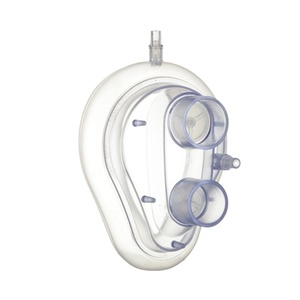
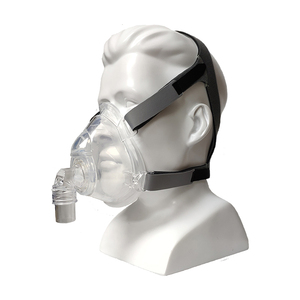
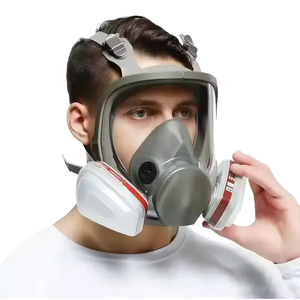
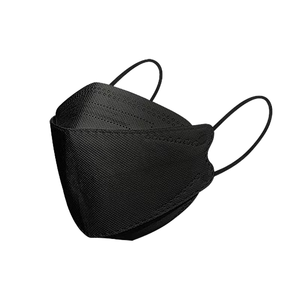
Navigating the OEM/ODM CPAP & Non-Invasive Ventilation Interface Supply Chain
A comprehensive strategic guide for hospital procurement executives, medical device distributors, brand owners, and respiratory therapy OEM partners.
The global market for Obstructive Sleep Apnea (OSA) therapies and Chronic Obstructive Pulmonary Disease (COPD) management is undergoing a structural transformation. Driven by accelerating homecare adoption, rising diagnosis rates of sleep-disordered breathing, and expanding access to continuous positive airway pressure (CPAP) and bi-level positive airway pressure (BiPAP) therapies, the demand for high-performance, patient-compliant respiratory interfaces has reached unprecedented levels. As medical device brand owners and regional hospital supply networks seek to build resilient supply chains, selecting the right contract design and manufacturing organization (CDMO) or OEM/ODM factory is the single most vital factor determining commercial success and patient outcomes.
High-quality CPAP masks are not simple molded plastic components; they are critical medical devices subject to rigorous biophysical, acoustic, and biocompatibility constraints. An effective respiratory mask must maintain a hermetic seal against continuous pneumatic pressures ranging from 4 to 30 cmH2O while preventing facial pressure ulcers, minimizing dead space volume to avoid CO2 rebreathing, and maintaining whisper-quiet operation under 25 dBA. Achieving this balance requires specialized engineering across liquid silicone rubber (LSR) injection molding, anti-asphyxia safety valve dynamics, and micro-pore air diffusion acoustics.
Medical Silicone Ergonomics
Engineered using ultra-soft Liquid Silicone Rubber (LSR 30-50 Shore A) for dual-wall cushion dynamic contouring. Decreases pressure point irritation by up to 45% while stabilizing seal integrity during movement.
ISO 18562 & Biocompatibility
Full compliance with ISO 18562 standards for volatile organic compound (VOC) emissions and particulate matter in respiratory gas pathways, backed by ISO 10993 cytotoxicity validation.
Micro-Pore Silent Exhaust
Integrated laser-etched honeycomb exhalation ports dissipate CO2 swiftly while maintaining operating acoustic levels below 21 dBA, guaranteeing undisturbed partner sleep.
Future Procurement Trends in CPAP & NIV Interface Sourcing
B2B procurement teams, medical equipment importers, and government tender boards must align their sourcing strategies with long-term technological and regulatory shifts. Below are the definitive structural trends shaping the CPAP/BiPAP interface market through 2030:
- Modular Interchangeability & Multi-Cushion Kits: Sourcing managers are increasingly favoring universal frame architectures that allow interchangeable nasal, nasal pillow, and full-face cushions on a single frame chassis, drastically reducing SKU complexity and warehouse carrying costs.
- Shift Toward Liquid Silicone Rubber (LSR) Overmolding: Traditional compression-molded silicone is rapidly being replaced by two-shot liquid silicone injection molding (LSR/PC overmolding), eliminating residual solvents, improving physical durability, and enabling complex micro-sealing lips.
- Demand for Anti-Microbial & Hydrophobic Coatings: Post-pandemic hospital procurement protocols prioritize masks featuring permanent anti-stick surfaces that suppress biofilm accumulation and streamline cleanroom reprocessing or daily home maintenance.
- Stricter Traceability & UDI Compliance: Global regulatory bodies, including the US FDA (21 CFR 830) and EU MDR (2017/745), mandate Unique Device Identification (UDI) laser marking down to the individual pouch level, requiring factories to maintain automated serialization matrix systems.
- Sustainable & Recyclable Polymer Formulations: OEM buyers are specifying halogen-free, DEHP-free, and phthalate-free thermoplastic elastomers (TPE) and eco-certified medical siloxanes to align with global hospital ESG (Environmental, Social, and Governance) targets.
| Specification Metric | Standard Clinical NIV Mask | OEM/ODM Premium Gel Nasal Interface | Custom Customized Full-Face BiPAP Mask |
|---|---|---|---|
| Cushion Material | Standard Liquid Silicone (LSR) | Dual-Density Gel + Silicone Hybrid | Ultra-Soft Medical Silicone 30 Shore A |
| Operating Pressure Range | 4 - 20 cmH2O | 4 - 25 cmH2O | 4 - 30 cmH2O (High-Pressure NIV) |
| Exhalation Noise Level | < 28 dBA | < 23 dBA | < 21 dBA (Silent Honeycomb Vent) |
| Anti-Asphyxia Valve (AAV) | Optional | Integrated Mechanical Flapper | Dual Safety Valve + Quick Release Clip |
| Sterilization Compatibility | ETO / Autoclave (Selected) | Validated Captive ETO Sterilization | ETO Sterilization / High Disinfection |
| Regulatory Certification | ISO 13485 / CE | ISO 13485 / CE / FDA 510(k) Ready | ISO 13485 / CE / Full Technical File |
Technological & Manufacturing Evolution Trends in CPAP Factories
To stay competitive in global export markets, premier medical device factories are upgrading their facility capabilities from basic assembly lines to fully integrated automated cleanroom ecosystems. The evolution of contract manufacturing for CPAP interfaces centers on three pillars:
Advanced 3D Anatomical Modeling & Mold Tooling
Modern OEM/ODM factories utilize 3D facial mesh databases comprising thousands of global facial profiles. High-precision CNC mold tooling allows the production of multi-curvature silicone walls that dynamically expand and contract with the patient's nocturnal pressure changes, preventing air leaks near the nasal bridge and eyes.
Captive Ethylene Oxide (ETO) Sterilization Plants
Outsourced sterilization introduces severe lead-time risks and quality control gaps. Leading exporters maintain in-house, fully validated ETO sterilization plants capable of precise gas concentration control, aeration degassing, and zero-residual validation per ISO 11135 standards for single-use hospital kits.
Why Global Importers & Brands Partner With Our Factory Infrastructure
Building on over three decades of medical manufacturing excellence, our vertically integrated plant delivers uncompromised quality control, rapid tooling deployment, and global export compliance.
Controlled Injection & Molding Area
Our dedicated molding division features state-of-the-art closed-loop electric injection machines and an in-house tool room capable of handling custom component prototyping and full-scale mold fabrication within short lead times.
Class 10,000 (ISO Class 7) Cleanrooms
All assembly, ultrasonic welding, leak testing, and pouch sealing operations are conducted inside strictly monitored Class 10,000 cleanroom environments to maintain low bioburden limits before final sterilization.
End-to-End Quality Assurance
Our in-house analytical and physical testing laboratory executes 100% tensile, pressure decay leak testing, flow rate calibration, and biological verification for every production lot prior to final release.
Frequently Asked Questions for CPAP Mask OEM/ODM Procurement
Essential technical and commercial answers for hospital procurement specialists, brand managers, and regulatory directors.
Partner with a World-Class OEM/ODM CPAP Mask Manufacturer
Whether you require bulk private-label production, specialized hospital NIV interface development, or regulatory support for global tender submissions, our engineering desk is ready to assist.
Contact Us