Manufactured to rigorous ISO 8536-4 standards, our single-use blood administration and IV therapy systems feature advanced micro-aggregate filtration, latex-free biocompatible polymers, and precise drop-rate controls.
From medical-grade resin selection to automated cleanroom assembly and captive ethylene oxide sterilization, our facility eliminates supply chain risks for global importers.
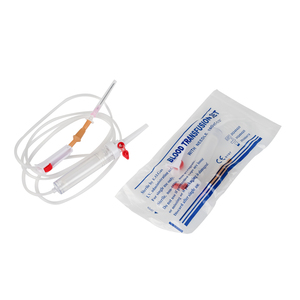
Every blood transfusion set is assembled in monitored ISO Class 7 cleanroom environments, utilizing automated leak testing and solvent-free ultrasonic bonding to ensure zero particulate contamination.
Full compliance with European Union Medical Device Regulation (EU MDR 2017/745) and US FDA requirements. Complete Technical Files and Free Sale Certificates (FSC) ready for regional tender registration.
Our in-house Ethylene Oxide (ETO) sterilizer facility undergoes rigorous cycle validation (ISO 11135), delivering guaranteed Sterility Assurance Levels (SAL 10^-6) with ultra-low residual ethylene oxide thresholds.

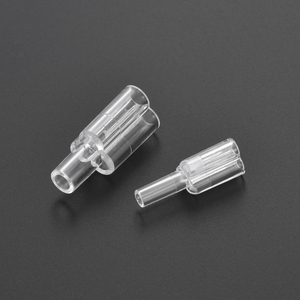
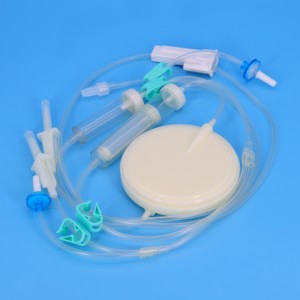
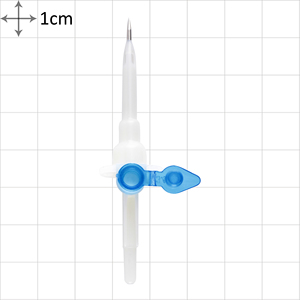
As a leading China wholesale transfusion set factory, our facility integrates high-precision injection molding machinery with dedicated toolrooms. We produce critical fluid delivery components—including dual-chamber spikes, soft drip chambers, roller clamps, and luer lock adapters—under strictly regulated physical, chemical, and biological testing controls.
Intravenous blood transfusion therapy remains one of the most critical life-saving interventions in emergency care, surgical oncology, and hematology. Over the past decade, global regulatory authorities (including the US FDA, European Medicines Agency, and NMPA) have systematically heightened standards for single-use transfusion disposables. Modern hospital procurement teams are shifting away from basic commodity purchasing toward clinically optimized, biocompatible systems engineered to prevent hemolysis, cellular aggregate passage, and phthalate contamination.
Key Technical Shift: The transition from traditional PVC plastified with DEHP (Di-2-ethylhexyl phthalate) to eco-friendly TPE (Thermoplastic Elastomers) and TOTM-plasticized PVC is now mandatory for blood contact devices across major international health systems.
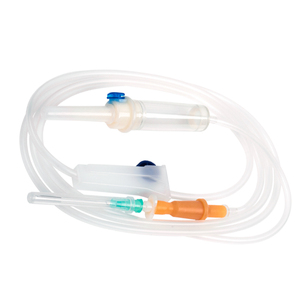
Standard blood administration sets are equipped with a woven nylon mesh filter inside the drip chamber, typically rated at 170μm to 200μm pore size. This fundamental barrier catches fibrin clots, storage micro-aggregates, and cellular debris generated during red blood cell storage. However, contemporary clinical protocols demand advanced filtration capabilities:
Historically, flexible tubing was processed using PVC with DEHP plasticizer. Because DEHP is not chemically bound to the polymer matrix, lipid-rich blood products and blood components can extract DEHP into the fluid path, posing potential hepatotoxic and reproductive risks. Advanced China manufacturers now engineer TPE (Thermoplastic Elastomer) transfusion tubing and TOTM (Trioctyl Trimellitate) PVC alternatives. These materials offer zero plasticizer leaching, high resistance to tubing kink, and superior elastic memory for precise roller clamp flow rate control.
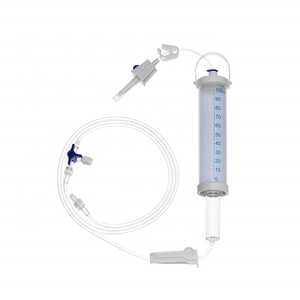
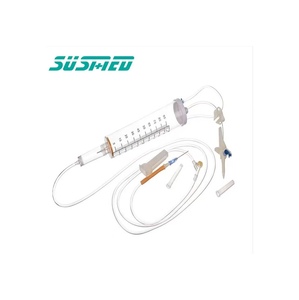
Pediatric and neonatal blood transfusions require ultra-precise volumetric accuracy to prevent circulatory overload (TACO). Modern burette transfusion sets (Solusets) feature 100ml to 150ml rigid, clear acrylic or polycarbonate cylinders with 1ml incremental graduations. Integrated automatic floating shut-off valves automatically seal the lower fluid path once the measured volumetric dose is delivered, preventing air embolism risks in critical care settings.
| Performance Parameter | Standard Transfusion Set | Advanced Leukocyte Filter Set | Pediatric Burette System |
|---|---|---|---|
| Primary Material | Medical Grade PVC (DEHP-Free available) | Biocompatible TPE / Non-DEHP PVC | ABS / Polycarbonate / Medical PVC |
| Filter Mesh Rating | 170μm – 200μm Nylon Mesh | Multi-layer Polyester (< 5μm pore effective) | 170μm Filter + Auto Shut-off Float Valve |
| Drip Rate Standard | 20 drops/ml (Macrodrip) | 20 drops/ml (Macrodrip) | 60 drops/ml (Microdrip) |
| Needle & Luer Hub | ISO 80369-7 Luer Lock (18G–20G) | Rotating Male Luer Lock with Cap | Needle-free Y-site + Luer Lock |
| Sterilization Method | Ethylene Oxide (ETO) ISO 11135 | ETO Gas / Gamma Irradiation | Ethylene Oxide (ETO) ISO 11135 |
As health systems navigate economic constraints and post-pandemic supply chain vulnerabilities, hospital procurement officers and medical device brand owners are fundamentally altering their procurement strategies from China factories.
Global buyers are consolidating suppliers to factories with fully compliant Technical Documentation under EU MDR 2017/745. Standardized ISO 80369-7 small-bore connector adoption is now compulsory to eliminate misconnection risks between IV lines, enteral feeding lines, and neuraxial devices.
Preventing needle-stick injuries among clinical staff is driving the rapid replacement of traditional rubber injection sites with needle-free positive-displacement valves and split-septum Y-connectors across all transfusion set configurations.
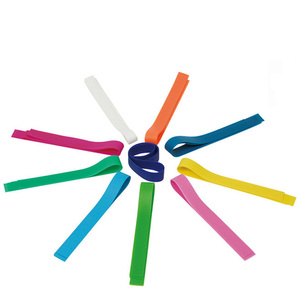
Global medical brands increasingly rely on Chinese contract manufacturers for custom tool development, customized tubing lengths, customized color-coded clamps, multi-lingual sterile pouch packaging, and UDI (Unique Device Identification) barcoding.
Procurement bids now penalize excessive secondary packaging. High-efficiency paper-plastic (Tyvek/PE) peel pouch designs that maintain barrier integrity while reducing total plastic weight by up to 25% are rapidly gaining market share.
Technical and commercial answers for hospital distributors, medical device importers, and tender managers.
Whether you require standard high-volume wholesale supplies, custom OEM packaging, or complete tender dossier support, our engineering team delivers competitive manufacturing solutions directly from our ISO-certified facilities.
