Explore our export-grade medical devices manufactured in Class 10,000 cleanrooms under strict ISO 13485 QMS.
A Technical Whitepaper on Procurement Engineering, Quality Assurance, and International Regulatory Compliance for Global Medical Disposables Buyers
In modern clinical environments, the demand for high-performance single-use medical consumables has expanded far beyond simple barrier protection. Global hospital purchasing syndicates, medical device importers, and pharmaceutical distributors require suppliers capable of providing verified Information Gain—technical depth, material transparency, strict regulatory compliance, and robust supply chain resilience. As a premier China Top Wound Dressing Supplier & Exporter, our manufacturing ecosystem bridges advanced polymer chemistry, clinical securement engineering, and automated ISO 13485 cleanroom assembly.
From advanced hydrocolloid and silicone gel wound dressings to 100% silicone Foley catheters and specialized tube securement devices, every SKU is engineered to minimize nosocomial risks such as Catheter-Associated Urinary Tract Infections (CAUTI), skin tears, and medical adhesive-related skin injuries (MARSI). This comprehensive whitepaper provides global procurement officers, B2B buyers, and clinical engineers with an exhaustive breakdown of product specifications, future procurement benchmarks (2026–2030), manufacturing capabilities, and regulatory frameworks necessary for direct factory contract negotiations.
Vertically integrated operations eliminating outsourced critical processes, ensuring batch-to-batch consistency and total traceability.
Controlled environmental injection molding, tubing extrusion, and automatic pouch sealing conducted within environmentally monitored Class 10,000 (ISO Class 7) cleanrooms to control bioburden levels before sterilization.
In-house Ethylene Oxide (ETO) processing chambers operated under validated ISO 11135 protocols. Complete physical, chemical, and biological indicators verify sterility assurance levels (SAL 10⁻⁶) for every production release.
Comprehensive analytical facilities for tensile strength, elongation, burst pressure, inflation balloon symmetry, cytotoxicity, pyrogen testing, and gas chromatography residual ETO monitoring.
CDMO / OEM Contract Manufacturing Support: We offer complete private-label artwork design, multi-lingual instructions for use (IFU), unique device identification (UDI) barcoding, and custom procedural tray configurations tailored for national healthcare tenders and brand-name pharmaceutical partners.
Direct comparison of core material configurations for urology catheters, securement devices, and wound care products.
| Product Category | Material Composition | Key Clinical Attributes | Biocompatibility Standard | Sterilization & Shelf Life |
|---|---|---|---|---|
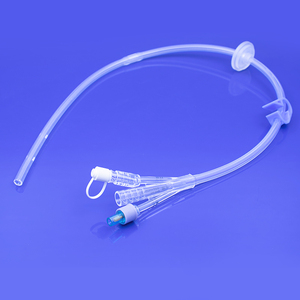
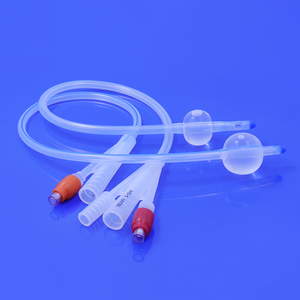
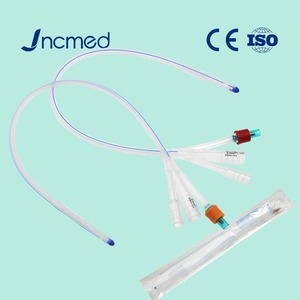
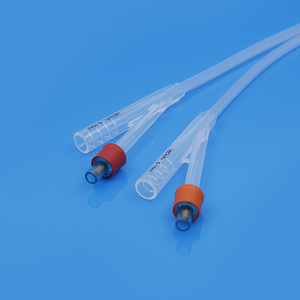
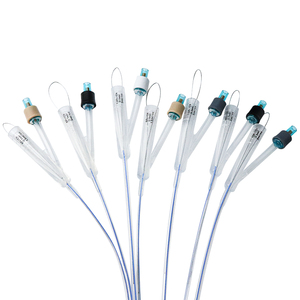
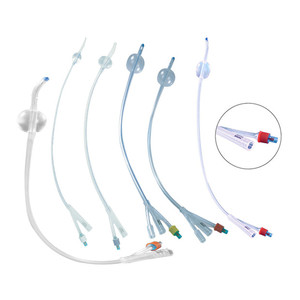
| 100% Silicone Foley Catheter (2-Way / 3-Way) | Translucent Medical Silicone Elastomer | Eliminates latex allergy risk; smooth wide inner lumen prevents encrustation; symmetrical 5ml–30ml balloon. | ISO 10993 (Cytotoxicity, Sensitization, Intracutaneous Reactivity) | ETO Sterilized, 5-Year Validated Shelf Life |
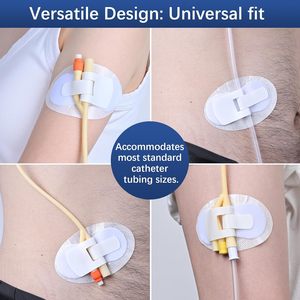
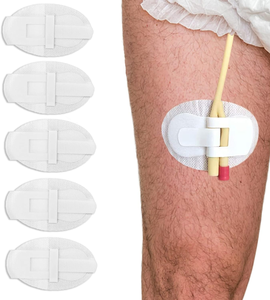
| Catheter & Tube Securement Sticker | Breathable Non-Woven Fabric + Medical Acrylic / Silicone Gel | High moisture vapor transmission rate (MVTR); mechanical latch mechanism locks 6Fr–24Fr catheters. | Hypoallergenic, ISO 10993-10 Skin Irritation Compliant | Ethylene Oxide (ETO) / Gamma Ray Available |
| Advanced Silicone Foam Wound Dressing | Polyurethane Film + Absorbent Foam + Soft Silicone Contact Layer | Gentle-Tac technology minimizes dressing change pain; manages high exudate while preventing skin maceration. | USP Class VI Medical Polymer Approved | Individual Peel Pouch, ETO Sterile |
| Pediatric Foley Balloon Catheter (6Fr-10Fr) | Soft Silicone Elastomer with Reinforced Stylet Wire | Atraumatic smooth tip design; extra pliable shaft tailored for pediatric and neonate urinary tract anatomy. | ISO 10993 Full Spectrum Certified | Double Sterile Pouch Packaging |
Market intelligence and technology transitions shaping the next decade of B2B medical supply procurement.
Global hospital purchasing groups across Europe, North America, and the Middle East are phasing out latex catheters in favor of 100% silicone devices. Silicone reduces urethral inflammation, lowers long-term tissue friction, and eliminates latex-induced anaphylactic risks. Importers are advised to adjust inventory ratios toward multi-way silicone catheters with color-coded inflation valves.
Surgical protocols increasingly penalize mechanical suturing or basic adhesive tape for catheter fixation due to high displacement rates and localized skin infections. Sutureless stabilization stickers with rigid plastic flip-locks are becoming mandatory tender requirements. Supply chain buyers must integrate complementary securement stickers alongside catheter procurement.
Traditional cotton gauze is rapidly giving way to bio-interactive wound dressings—such as silicone-faced polyurethane foams, hydrocolloids, and ionic silver antimicrobial layers. Modern buyers seek suppliers who can offer custom multi-layer laminate combinations capable of maintaining ideal moist wound healing environments while preventing bacterial biofilm formation.
Regulatory authorities worldwide now demand full lot-level raw material traceability, GS1-compliant UDI barcodes on packaging pouches, and strict compliance with updated ethylene oxide residual exposure limits (ISO 11135). Partnering with manufacturers with established technical documentation packages drastically cuts product registration lead times.
Insights into manufacturing innovations that enhance patient comfort and streamline clinical workflows.
Medical adhesive technology has undergone a fundamental transformation. Historical acrylic adhesives provided high initial tack but frequently caused epidermal stripping, pain during removal, and localized contact dermatitis—especially in geriatric and pediatric patients. Modern manufacturing processes utilize perforated soft silicone gel contact layers. This technology allows strong multidirectional conformity without bonding to moisture-laden wound beds or fragile skin cells.
Simultaneously, Foley catheter securement design has moved away from elastic leg bands that cause venous constriction to self-adhesive stabilization pads featuring swiveling plastic clamp assemblies. These devices distribute pull forces evenly across the abdominal wall or thigh surface, absorbing unexpected line tension and eliminating strain on the vulnerable bladder neck area.
Comprehensive OEM/ODM support, rigorous quality management, and optimized export logistics.
Over 80% of total factory production is exported directly to healthcare distributors, government ministries of health, and private OEM brand owners across South America, Europe, Africa, Asia-Pacific, and the Middle East.
We provide complete regulatory support packages including Free Sale Certificates (FSC), ISO 13485 quality system certificates, CE declarations of conformity, chemical safety testing reports, and clinical evaluation summaries.
Our packaging design engineers optimize master carton dimensions and pallet stacking layouts to maximize container space utilization (20GP, 40HQ), reducing ocean freight cost per unit for our buyers.
Clear answers to regulatory, manufacturing, and operational questions for procurement managers.
For standard catalogue SKUs with existing tooling, OEM private-label packaging MOQs typically start at 10,000 units per size for Foley catheters and 20,000 units for stabilization devices or dressings. Smaller trial quantities can be accommodated for initial market evaluation upon technical review.
Our production facilities operate strictly under ISO 13485 certified quality management systems. Product families hold European Union CE mark clearance and ISO 10993 biocompatibility certification. Selected device lines are also compliant with US FDA requirements.
Sterilization is conducted in our captive Ethylene Oxide (ETO) plant following ISO 11135 standards. Each batch undergoes rigorous parameter monitoring, bioburden testing, residual ETO gas chromatography analysis, and 14-day biological indicator incubation prior to final release.
Yes, we specialize in procedural kit packing, double-sterile pouching, tear-open sterile trays, and customized blister packaging containing patient labels, prep accessories, and multi-lingual instructions for use (IFU).
Standard catalogue inventory ships within 15–20 business days after order confirmation. Custom OEM orders requiring new packaging artwork printing or specific dimension modifications generally take 30–35 days for initial production lots.
Connect directly with our senior engineering team to request technical datasheets, sample kits, quality certificate packages, or direct factory pricing.
