Sales: +91 9099 928 652 [email protected] Mon – Sat : 10:00 AM – 07:00 PM (IST)

China Best Stopcock Valve Manufacturer & Exporters

World-Class OEM/CDMO Disposable Medical Fluid Control Systems, 3-Way Stopcock Valves, & High-Precision Urology Catheters Cleanroom Manufactured for Global Healthcare Supplies.

Featured Medical Disposables & Urology Fluid Control Products

Precision-moulded, sterile single-use medical devices compliant with ISO 13485 & CE regulatory standards.
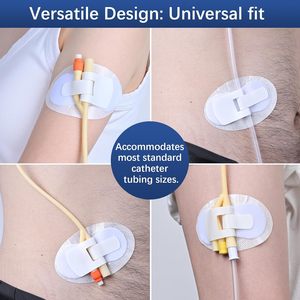
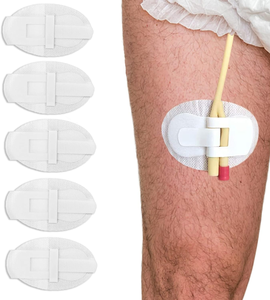
Foley Catheter Stabilization Device Self Adhesive Holder Sticker
Foley Catheter Stabilization Device Self Adhesive Urinary Leg Bag Holder Sticker PEG/G/Feeding Tube Tube Securement
Send an Inquiry
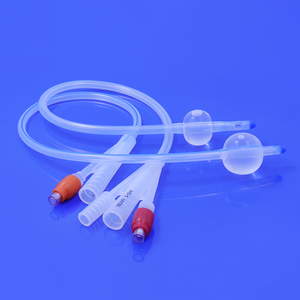
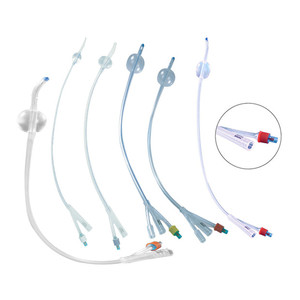
3-Way Silicone Foley Catheter Disposable Balloon Catheter
2026 Hot Sale New Design Customized Three Way Silicone Foley Catheter Disposable 3-Way Balloon Urinary Catheters
Send an Inquiry
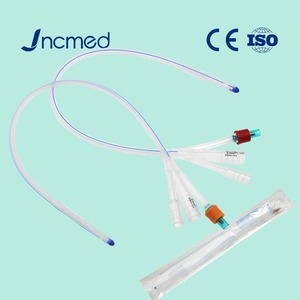
Medical Consumables 2-Way 3-Way 4-Way Silicone Foley Catheter
Medical Consumables 2-Way 3-Way 4-Way Silicone Foley Catheter Factory Price Disposable Silicone Urinary Catheters
Send an Inquiry
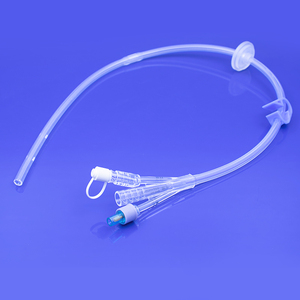
3 Way Foley Catheter Kit Urinary Catheter
3 Way Foley Catheter Sizes Foley Catheter Kit Urinary Catheter
Send an Inquiry
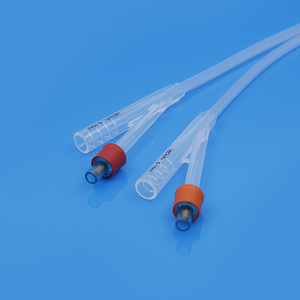
Sterile Two-way Silicone Foley Catheters For Hospital Use
Medical Supply Urinary Catheter Manufacturer Good Quality Disposable Sterile Two-way Silicone Foley Catheters For Hospital Use
Send an Inquiry
Two-Way Silicone Foley Catheter Disposable Sterile Urethral Catheter 6Fr-24Fr
Two-Way Silicone Foley Catheter Disposable Sterile Urethral Catheter 6Fr-24Fr for Hospital Urology Use
Send an Inquiry
Medical Disposable Foley Catheter Fixation Device With CE,ISO
Send an Inquiry
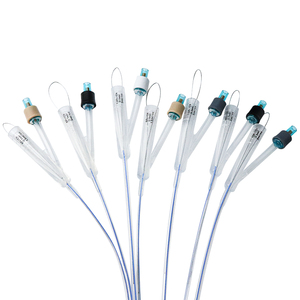
Medical 2-Way or 3-way Disposable Silicone Foley Catheter for Pediatric
Factory Price Medical 2-Way or 3-way Disposable Medical 100% Silicone Foley Catheter for Pediatric
Send an Inquiry
30+
Years Manufacturing Excellence
52+
Global Export Markets
10,000
Class ISO Cleanroom
300+
Medical Device SKUs

Industry Whitepaper: The Engineering Evolution of Medical Stopcock Valves & Urology Fluid Management

In modern critical care, anesthesia delivery, intensive care monitoring, and surgical urology, fluid management systems serve as the vital lifeline connecting therapeutic agents to patient physiology. At the epicenter of this intravenous and urinary infrastructure lies the stopcock valve—a high-precision micro-fluidic control component designed to direct, isolate, measure, and divert fluid pathways without introducing biological contamination, micro-emboli, or flow resistance.

As global healthcare systems shift toward stringent infection control standards and micro-dosage infusion safety, selecting a qualified China Best Stopcock Valve Manufacturer & Exporter requires deep technical evaluation. Procurement executives, hospital supply chain directors, and OEM medical device brand owners must analyze raw polymer purity, valve core tactile torque, hydro-static pressure limits, dead space volumetric displacement, and lipid-resistant material formulations.

1. Polymer Engineering & Material Science in Stopcock Manufacturing

Medical-grade stopcocks are subject to rigorous mechanical stress and chemical exposure during clinical procedures. Traditional medical stopcocks fabricated from standard polycarbonate (PC) exhibited vulnerability to environmental stress cracking (ESC) when exposed to lipid emulsions, chemotherapy drugs, and alcohol-based disinfectants. Advanced OEM manufacturing lines now employ specialized lipid-resistant polymers and engineering resins:

  • Lipid-Resistant Polycarbonate (PC): Engineered for high structural integrity and optical clarity, enabling clinical staff to visualize micro-bubbles while maintaining resilience against cracking during continuous 72-hour lipid infusion protocols.
  • Polysulfone (PSU) & High-Performance Polymers: Utilized in high-pressure stopcocks designed for invasive arterial monitoring and cardiac catheterization procedures requiring pressure tolerances up to 500–1200 PSI.
  • Low-Friction Polyethylene (PE) & PTFE Core Plugs: Handle handles and rotatable stems are custom-moulded with ultra-smooth internal surfaces to maintain constant turning torque (between 0.05 N·m and 0.15 N·m), preventing valve locking or fluid bypass under pressure.
  • 100% Liquid Silicone Rubber (LSR): Integrated into multi-way balloon Foley catheters and needle-free valve diaphragms to ensure zero-tack, high-elasticity sealing that prevents backflow or urinary tract trauma.
Valve Category / Material Pressure Rating (PSI) Lipid & Alcohol Resistance Dead Space Volume Primary Clinical Application
Standard 3-Way Stopcock (PC) Up to 60 PSI (4.5 Bar) Standard Grade < 0.18 mL General IV Infusion, Gravity Drip Lines
Lipid-Resistant 3-Way Stopcock Up to 200 PSI (14 Bar) High (Fat Emulsions / Alcohol) < 0.08 mL Total Parenteral Nutrition (TPN), ICU Lines
High-Pressure Stopcock (PSU Body) 500 - 1200 PSI (82 Bar) Extreme Chemical Resistance < 0.05 mL Angiography, Arterial Line Monitoring
Silicone 3-Way Foley Catheter Valve Dynamic Balloon Valve (30cc) Biocompatible 100% Silicone Zero-Dead Space Lumen Post-Operative Bladder Irrigation & Drainage

2. Precision Fluid Dynamics & Dead Space Optimization

A crucial factor in semantic procurement search and hospital user intent is minimizing residual fluid retainage, known clinically as dead space. High dead space volumes in stopcock assemblies pose severe clinical risks, including improper drug dosing in pediatric ICU environments and drug interaction mixing inside the valve chamber.

Leading Chinese exporters utilize computer-aided mold flow analysis (CAE) and high-speed multi-cavity injection tooling to fabricate smooth internal channels. By aligning fluid pathways seamlessly with male/female Luer lock dimensions (conforming to ISO 80369-7 standards), hydrodynamic turbulence is minimized, preventing hemolysis during blood transfusions and reducing micro-thrombus formation zones.

Vertical Integration & Manufacturing Infrastructure

Demonstrating technical expertise, compliance reliability, and full-spectrum CDMO capabilities.

Controlled Injection Moulding

State-of-the-art closed-loop injection molding units running in dedicated controlled environments. Equipped with robotic micro-pickers and automated vision inspection systems to guarantee zero flash and perfect Luer dimensions on every stopcock valve stem.

ISO Class 10,000 Cleanroom Assembly

All component assembly, ultrasonic welding, leak testing, and automated blister packaging take place within continuous positive-pressure Class 10,000 (ISO Class 7) cleanrooms, maintaining minimal airborne particulates and micro-bioburden counts prior to sterilization.

In-House ETO Sterilization Plant

Fully validated Ethylene Oxide (ETO) sterilizers operating under strict ISO 11135 guidelines. Complete physical, biological indicator, and aeration cycle monitoring ensure residue levels remain well below ISO 10993-7 thresholds (< 4 mg/device).

Global Sourcing & Procurement Trends (2026–2030): What Healthcare Buyers Must Know

The global market for medical stopcock valves and urology disposables is undergoing rapid transformation driven by regulatory updates, patient safety initiatives, and supply chain consolidation. When auditing a Chinese manufacturer or exporter, international buyers should align their procurement criteria with five pivotal industry trends:

Trend 1: Transition to DEHP-Free & Phthalate-Free Plasticizers

Global regulatory bodies, including the EU MDR (Regulation 2017/745) and the US FDA, are phasing out traditional DEHP [Di(2-ethylhexyl) phthalate] plasticizers in PVC tubing and stopcock extensions due to endocrine-disrupting concerns. Premium OEM manufacturers are transitioning exclusively to TOTM (Trioctyl Trimellitate) or DINCH plasticized materials and polyurethane (TPU) alternatives.

Trend 2: Universal Adoption of ISO 80369-7 Luer Lock Connectors

To eliminate lethal misconnections between intravenous, enteral, and neuraxial delivery systems, international standards mandate strict compliance with ISO 80369-7. Sourcing teams must verify that stopcock manufacturers utilize high-precision gauging to test thread engagement, mechanical torque, and seal integrity against high-pressure fluid leakage.

Trend 3: Automated Assembly & Inline Vision Inspection

Manual assembly of multi-way valves carries inherent risk of human error, such as misplaced O-rings or inconsistent stem insertion depth. Top-tier manufacturers in China have implemented fully automated robotic assembly cells with integrated 360-degree high-resolution camera vision system checks, achieving defect rates under 1 PPM (Part Per Million).

Trend 4: Needle-Free & Closed System Transfer Devices (CSTDs)

Protecting healthcare personnel from accidental needle-sticks and exposure to hazardous oncology drugs has accelerated demand for stopcocks integrated with swabable needle-free valves. These closed systems automatically seal upon disconnection, eliminating open fluid channels and bio-contamination pathways.

Frequently Asked Questions (FAQ) for Global Buyers & Distributors

Address key technical, compliance, and commercial inquiries to de-risk your procurement strategy.

What key regulatory certifications are required when importing stopcock valves from China?
Overseas importers must ensure the manufacturer holds a valid ISO 13485 Quality Management System certification for medical devices. For EU entry, products must carry CE marking under the Medical Device Regulation (MDR 2017/745). For the United States, 510(k) clearance or listing is necessary. Additionally, Free Sale Certificates (FSC) and complete Technical Files (STED) are essential for registering products with local ministries of health.
How do you prevent cracking when stopcocks are used with lipids or oncology drugs?
Cracking is caused by environmental stress cracking (ESC) in standard polycarbonate resin. We utilize lipid-resistant engineering polymers specifically synthesized with chemical-resistant resin bonds. Furthermore, internal stress relief processes during injection moulding and optimized stem clearance prevent mechanical micro-fractures under chemical exposure.
What are the typical Minimum Order Quantities (MOQ) for OEM/Private Label stopcocks and Foley catheter kits?
For standard catalogue items under generic packaging, MOQs start as low as 5,000 to 10,000 pieces per SKU. For custom private-label branding, specialized color-coded valve handles, customized blister pouch printing, or multi-component catheter kit assembly, standard production lots typically start at 20,000 pieces per configuration.
What quality control testing is performed on every batch of stopcock valves before release?
Every batch undergoes rigorous quality assurance protocol testing in our in-house laboratory. This includes 100% pneumatic hydro-static leak testing under positive pressure (up to 4.5 bar or higher depending on specification), negative vacuum leak testing, handle turning torque evaluation, pull-apart tensile strength tests, and bioburden/sterility verification per ISO 11135 standards.
Can you customize catheter tube hardness, balloon capacity, and stopcock valve handle colors?
Yes. As a primary CDMO/OEM contract manufacturer, we offer complete customization of silicone Shore hardness (from 35A to 70A), lumen channel counts (2-way, 3-way, 4-way), balloon retention capacities (5cc to 30cc), and custom color-coded stopcock handles for rapid clinical line identification.

ISO 13485 QMS

Full design control, risk management (ISO 14971), and CAPA process tracking.

UDI & Barcoding

GS1 compliant Unique Device Identification printed on unit pouches and shipping cartons.

Custom Kit Packing

Custom sterile tray packaging, Foley catheter insertion kits, and private artwork support.

Global Logistics

FOB, CIF, and DDP export management shipping to over 52 countries worldwide.

Supplier Qualification & Factory Audit Checklist for Global Buyers

To assist your quality engineering and supply chain teams in conducting thorough factory audits of Chinese medical device exporters, review this standardized 5-point verification framework:

  • Raw Material Traceability: Verify that incoming resin batches (Polycarbonate, Silicone, Polypropylene) come with original Mill Test Certificates (MTC), USP Class VI biological reactivity testing, and ISO 10993 biocompatibility reports.
  • Cleanroom Particulate & Microbial Control: Review Class 10,000 / ISO Class 7 environmental monitoring logs, air exchange rates (>20 changes/hour), laminar flow hood calibrations, and daily settle plate microbial testing records.
  • Tooling & Mould Maintenance Records: Inspect injection mold preventive maintenance logs, shot counter tracking, and automated runner separation equipment to ensure dimensional stability over multi-million unit production cycles.
  • ETO Sterilization Cycle Validation: Examine physical parameter charts (gas concentration, temperature, relative humidity, exposure time) along with half-cycle bioburden kill studies using Bacillus atrophaeus spore strips.
  • In-Line & Batch Release Testing: Confirm that final release documentation includes hydro-static leak testing at 1.5x working pressure, particulate matter analysis (USP <788>), and endotoxin testing (< 20 EU/device per USP <85>).

Partner with China's Premier Stopcock Valve Manufacturer

Require custom OEM drawings, technical specification sheets, samples, or wholesale price quotes? Our engineering and export specialists are standing by to assist your procurement project.

Send an Inquiry