Engineered for maximum biohazard containment, precision fluid drainage, and strict hospital hygiene standards. Browse our core export-ready medical disposables below.
In modern surgical suites, intensive care units (ICUs), and urological care centers, the containment of infectious biological fluids is a crucial pillar of nosocomial infection prevention and clinical risk mitigation. Medical suction liner bags—working in tandem with vacuum regulators, rigid outer canisters, and closed-catheter drainage setups—form the primary physical barrier against aerosolized pathogens, viral exposure, and hospital-acquired infections (HAIs).
A CE Certified Suction Liner is categorized as an active/non-invasive or invasively connected Class I/Class IIa medical device under the European Union Medical Device Regulation (EU MDR 2017/745). To secure CE compliance, factories must demonstrate structural wall integrity under sustained negative pressure (-0.85 bar to -0.95 bar), leak-free seal burst strength exceeding industry baselines, and complete aerosol filtration efficiency using integrated hydrophobic overflow valves.
Integrated micro-porous membrane filters block aerosolized moisture and bacteria (≥99.99% viral/bacterial retention capability), protecting central vacuum lines from catastrophic contamination.
Manufactured using medical-grade flexible Polyethylene (PE) and engineered elastomeric caps, ensuring zero rupture risks during transport or gelation disposal.
Pre-packaged or auto-dispensing solidifying powders (superabsorbent polymer matrix) turn liquid aspirate into an inert gel within seconds for compliant biohazard handling.
Operating since 1994, our manufacturing infrastructure reflects three decades of specialized medical polymer conversion. Unlike assembly-only suppliers, our production ecosystem is vertically integrated to eliminate sub-tier component quality risks.
Every lot of suction liners and Foley catheters is tested for precise operational parameters:
As global healthcare systems shift toward environmentally sustainable medical devices and automated infection containment, hospital procurement committees are adjusting their vendor qualification standards. B2B buyers must evaluate supplier capabilities based on these key long-term trends:
Regulatory mandates across the EU and North America are forcing a phase-out of phthalate plasticizers (DEHP, DBP). Modern factories are pivoting toward 100% Liquid Silicone Rubber (LSR) and Non-DEHP medical PVC to eliminate patient toxicity and lower incinerator carbon emissions.
Under EU MDR and US FDA regulations, single-use suction bags and urological kits require Unique Device Identification (UDI) directly printed on primary packaging to ensure real-time inventory control and instant recall capabilities.
Distributors and pharmaceutical brand owners are reducing their vendor rosters, preferring Contract Development and Manufacturing Organizations (CDMO) capable of custom mold creation, customized tube lengths, and private-label packaging under one roof.
Over the past two decades, fluid collection technologies have transformed from glass bottles and rigid re-usable acrylic canisters into single-use, self-sealing hydrophobic liner sleeves. Rigid glass containers presented severe biohazard break risks and high cleaning labor costs. Modern closed suction systems utilize multi-layered co-extruded films that withstand aggressive handling and high vacuum pressure without tearing.
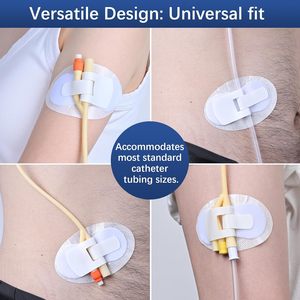
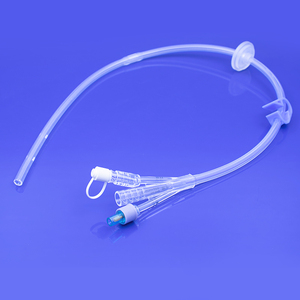
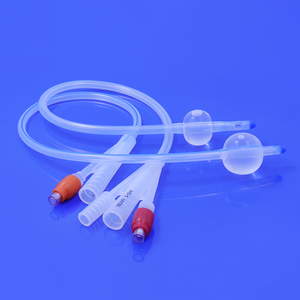
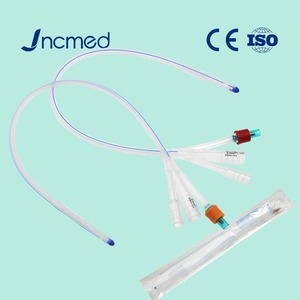
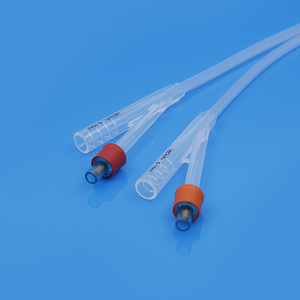
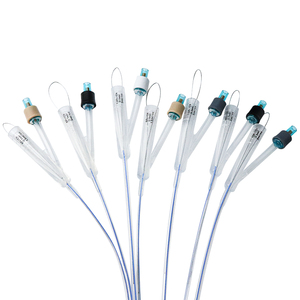
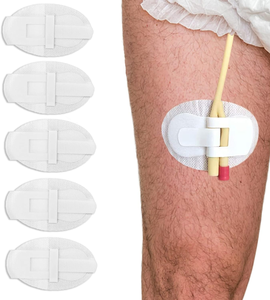
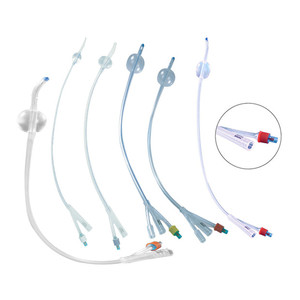
In urological care, a similar technological evolution has occurred. Silicone Foley catheters have evolved from standard 2-way latex designs to 100% biocompatible, elastomeric silicone multi-way systems featuring smooth atraumatic eyelets and symmetry-tested retention balloons. When combined with specialized securement leg-stickers and anti-reflux urine bags, catheter-associated urinary tract infections (CAUTIs) are reduced by up to 68% in critical care settings.
Direct-from-factory reliability, complete compliance audit access, and flexible OEM/CDMO contractual support.
Full traceability from medical-grade raw polymer resin to finished sterile pouch. Validated ETO sterilization bioburden testing per lot.
Accelerate your market authorization with pre-compiled technical dossiers, clinical evaluation summaries, and labeling artwork files.
Exporting to over 52 countries across Africa, Latin America, the Middle East, CIS, and Europe with custom floor-load or palletized shipping.
Custom tube extrusion, special connector molding, customized pouch printing, and multilingual Instructions for Use (IFU).
Our manufacturing facility operates under an ISO 13485 certified Quality Management System. Core medical product lines hold European CE Marking, ISO 9001 certification, and Free Sale Certificates (FSC). Technical files, material safety data sheets (MSDS), and biocompatibility reports (ISO 10993) are provided for tender submissions.
Standard catalog SKUs typically start at 5,000 units per batch. For custom private-label packaging, specialized tube lengths, or customized connector configurations, the standard MOQ is one full production run (typically 10,000 to 20,000 units depending on the exact SKU dimensions).
Every lot undergoes stringent quality control testing. Suction liners are tested using pressure-decay vacuum equipment to verify cap seals and shut-off valve seatings. Silicone Foley catheters undergo 100% inflation/deflation checks, balloon symmetry inspections, and tensile pull tests on lumen junctions to ensure zero intra-operative failures.
Yes. We offer pre-inserted water-soluble sachets of superabsorbent polymer (SAP) gelation agent inside the liner bag, as well as separate bottle dispensers. This transforms liquid biohazard fluids into a solid, non-spillable gel matrix immediately upon suction completion.
For standard catalogue items, production lead time is 2 to 3 weeks post-order confirmation. OEM custom production runs take approximately 3 to 4 weeks. We support FOB, CIF, CFR, and EXW shipping terms, and coordinate sea freight, air freight, and express courier logistics.
Speak directly with our engineering export desk to review custom CAD drawings, request CE compliance dossiers, or order physical evaluation samples for your tender requirement.
Get a Quote