Precision-engineered single-use medical devices and medical-grade fixation systems produced in ISO Class 7 cleanroom environments.
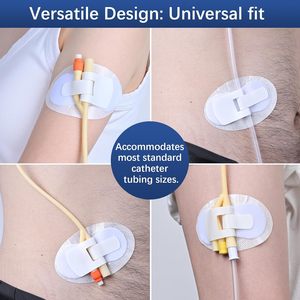
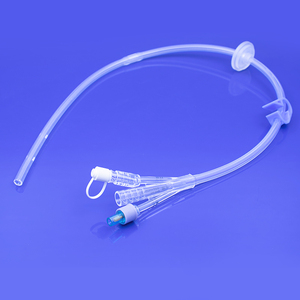
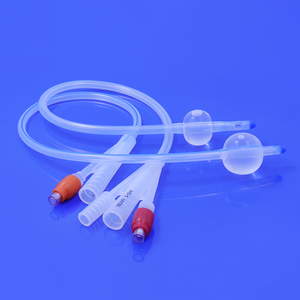
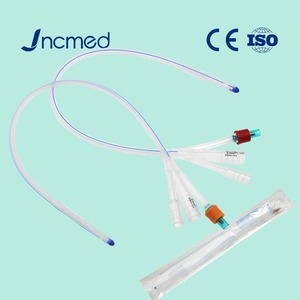
The global market for medical disposables, surgical bandages, catheter fixation stickers, and urological drainage systems has entered an unprecedented era of regulatory oversight and technological advancement. In European, North American, and Latin American clinical settings, purchasing departments and hospital procurement committees no longer evaluate suppliers solely on unit price. Sourcing decisions are now driven by comprehensive risk-mitigation criteria, including Medical Device Regulation (EU MDR 2017/745) conformity, ISO 13485:2016 Quality Management Systems, biological evaluation safety (ISO 10993 compliance), and documented batch-level sterilisation validation.
For international importers, healthcare distributors, and OEM brand owners, selecting a qualified CE certified medical bandage factory and supplier requires a thorough technical audit of the manufacturer’s internal infrastructure. Medical securement bandages and tube stabilization stickers—such as Foley catheter leg bag holders, G-tube/PEG securement stickers, and surgical fixation tapes—serve critical clinical functions: preventing catheter traction injuries, avoiding accidental dislodgement, minimizing Medical Adhesive-Related Skin Injuries (MARSI), and ensuring continuous patient comfort.
Navigating the global regulatory landscape requires a clear understanding of the certification tiers required across different clinical jurisdictions:
| Regulatory Standard | Jurisdiction | Technical & Compliance Requirement | Impact on Procurement & Distribution |
|---|---|---|---|
| EU MDR 2017/745 | European Union / EEA | Class I (Sterile) & Class IIa Technical Files, Clinical Evaluation Reports (CER), UDI Barcoding | Mandatory for legal distribution within Europe; ensures rigorous post-market surveillance. |
| ISO 13485:2016 | Global Standard | Comprehensive QMS covering injection moulding, cleanroom assembly, packaging integrity & CAPA | Serves as the foundational baseline for supplier audits and international tender eligibility. |
| US FDA 510(k) / Device Listing | United States | Substantial equivalence verification, biocompatibility panel testing, Device Master File (DMF) | Required for US clearance; demonstrates elevated testing maturity and design control. |
| ISO 11135 (ETO Sterilization) | International | Ethylene Oxide sterilisation cycle validation, bioburden limits, and residual limits (ISO 10993-7) | Guarantees product sterility assurance level (SAL 10⁻⁶) without toxic EO gas retention. |
Founded in 1994 in Ahmedabad, Gujarat, India, Angiplast Private Limited has evolved into a premier vertically integrated contract manufacturer and OEM/CDMO partner for disposable medical devices. Operating across an expansive industrial footprint, the facility is designed from the ground up to eliminate supply chain vulnerabilities, maintaining total process ownership from raw polymer processing to final sterile container seal.
Assembly, solvent bonding, ultrasonic welding, pouch sealing, and primary packaging are conducted in strictly monitored hygienic environments with positive pressure HEPA filtration.
State-of-the-art electric injection moulding machinery paired with an in-house precision toolroom, enabling rapid mold prototyping and custom component fabrication.
In-house ethylene oxide sterilisation chambers validated per ISO 11135, featuring automated gas cycle control and dedicated aeration rooms for rapid EO residual dissipation.
Physical, mechanical, chemical, and microbiological laboratories performing batch tensile strength tests, balloon burst pressure verification, flow rate analysis, and sterility assurance testing.
Exporting over 80% of total production volume to 52+ countries, maintaining custom multilingual labelling, artwork adaptation, and complete export documentation (Free Sale Certificates, COO, COA).
Turnkey product design, tool engineering, private-label branding, customized medical kit packing, and registration support for pharmaceutical and healthcare brand owners.
As healthcare systems transition toward value-based care and strict infection control protocols, hospital procurement officers and medical device distributors must align their supply chains with key emerging trends:
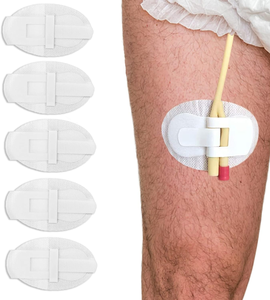
Historical reliance on standard surgical tape for securing Foley catheters, urinary leg bags, and enteral feeding tubes (PEG/G-tubes) has resulted in significant clinical complications. Uncontrolled catheter movement leads to urethral trauma, tissue erosion, inflammation, and Catheter-Associated Urinary Tract Infections (CAUTIs). Modern procurement strategies emphasize specialized self-adhesive stabilization devices equipped with mechanical locking clips and skin-friendly silicone or acrylic adhesive matrices. These purpose-built securement bandages distribute tension evenly, dramatically reducing shear stress on delicate epidermal layers.
While latex Foley catheters historically dominated price-sensitive markets, the global clinical trajectory is decisively shifting toward 100% translucent medical-grade silicone catheters. Key drivers include:
Global regulatory bodies (US FDA, EU MDR, Saudi SFDA, ANVISA) now mandate Unique Device Identification (UDI) implementation down to individual sterile pouch packaging. Modern factories must incorporate high-speed inline thermal transfer printing to encode GS1-compliant DataMatrix barcodes, tracking lot numbers, production dates, and sterilisation parameters in real time.
Global medical brand owners are increasingly consolidating their vendor base, opting to partner with established Contract Development and Manufacturing Organizations (CDMOs) in India. India's robust polymer engineering talent, competitive cost structure, and stringent compliance frameworks offer an optimal alternative to traditional sourcing hubs.
Understanding the micro-engineering details of single-use medical consumables allows procurement managers to make informed quality assessments. Below is an engineering comparison of primary product lines manufactured under CE and ISO standards:
| Device Category | Key Material Specifications | Design & Engineering Innovations | Primary Clinical Application |
|---|---|---|---|
| Catheter Stabilization Sticker / Leg Bag Holder | Breathable Non-Woven Fabric, Hypoallergenic Medical Acrylic/Silicone Hydrocolloid Adhesive | Low-profile design, integrated hook-and-loop or plastic latch, flexible contouring, skin-tear prevention (MARSI protection) | Securing Foley urinary catheters, PEG/G feeding tubes, and leg bag extension tubing to patient thigh/abdomen |
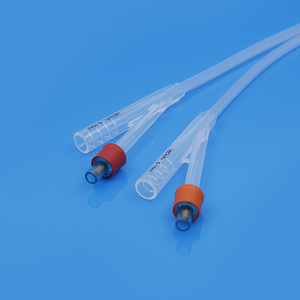
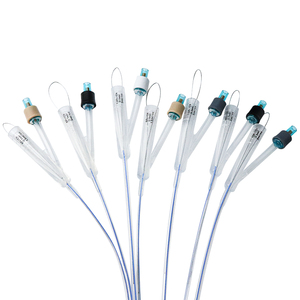
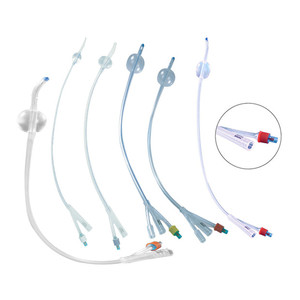
| 2-Way Silicone Foley Catheter (6Fr – 24Fr) | 100% Medical Grade Silicone, Hydrophobic Surface, Radiopaque X-ray Stripe | Atraumatic smooth bullet tip, twin side eyes for efficient drainage, color-coded inflation valve for size identification | Standard short-term and long-term bladder drainage in adult and pediatric urology wards |
| 3-Way Silicone Foley Catheter (16Fr – 24Fr) | High-Durometer Medical Silicone, Reinforced Balloon Wall, Dedicated Irrigation Channel | Triple-lumen design enabling simultaneous continuous bladder irrigation (CBI) and post-operative fluid evacuation | Post-TURP (Transurethral Resection of the Prostate) surgery, hematuria management, and surgical urology |
| Pediatric Silicone Foley Catheter (6Fr – 10Fr) | Ultra-Soft Elastomeric Silicone, Micro-Balloon Structure (3cc – 5cc) | Calibrated insertion depth markings, nylon guide wire option for placement support, ultra-smooth eyes to prevent mucosal scratch | Pediatric urology, neonatal intensive care units (NICU), and specialized pediatric surgical recovery |
Direct answers to common technical, regulatory, and commercial queries raised by international medical distributors and tender authorities.
Whether you require CE-certified Foley silicone catheters, self-adhesive stabilization devices, or custom OEM contract manufacturing in an ISO Class 7 facility, our export engineering desk is ready to assist.
