Explore our ISO 13485 & CE certified single-use surgical and urological disposables engineered for clinical reliability and patient safety.
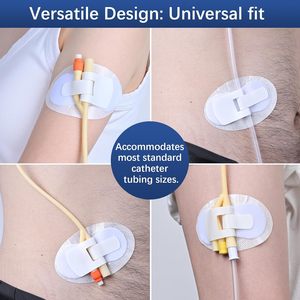
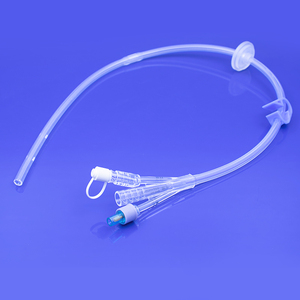
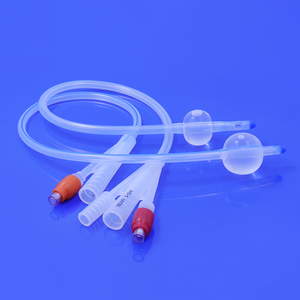
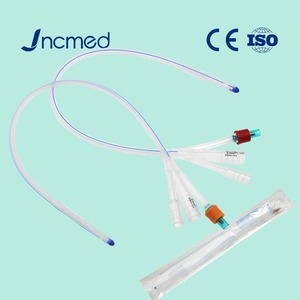
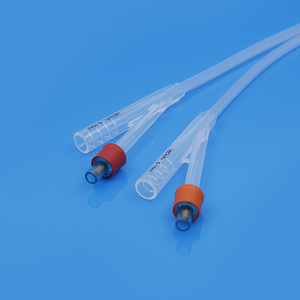
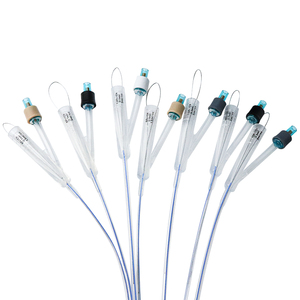
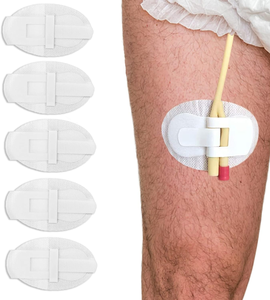
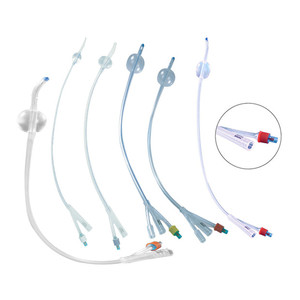
In modern cardiothoracic surgery, emergency trauma care, and intensive respiratory management, chest drainage catheters (thoracic catheters) and associated fluid management disposables represent critical-path medical devices. Sourcing high-performance, CE-certified chest tubes requires medical procurement officers, hospital B2B buyers, and contract manufacturing partners to evaluate not only basic unit pricing, but fundamentally the material physics, biocompatibility profiles, lumen geometry, dynamic kink resistance, and regulatory compliance dossiers provided by verified suppliers.
Clinical Insight & Information Gain: Advanced chest drainage relies on continuous negative pressure maintenance without lumen collapse. Thermoplastic polyurethane (TPU) and 100% medical-grade silicone formulations have largely superseded traditional rigid PVC compounds due to superior elastomeric recovery, reduced tissue friction coefficients, and zero risk of phthalate (DEHP) leaching into pleural exudate.
When selecting a qualified CE certified chest tube supplier, engineering specifications dictate clinical outcome scores. Chest tubes are subject to dynamic physiological stresses, including intrathoracic pressure fluctuations from mechanical ventilation, patient movement, and viscous fluid evacuation (such as hemothorax coagula or empyema exudates).
Embedded continuous radiopaque barium sulfate line along the catheter shaft allows immediate X-ray verification of side eyelet positioning within the pleural space.
Precision-punched, smooth-edged side eyelets maximize fluid flow velocity according to Poiseuille's law while preventing tissue suction trauma during high negative pressure drainage.
Engineered shore hardness (ranging from 65A to 80A) ensures structural integrity under acute anatomical bends without lumen occlusion or flow restriction.
Beyond thoracic drainage, related anatomical drainage systems—including 100% Silicone Foley Catheters, 3-way balloon urological catheters, and securement fixation devices—share identical bio-polymeric safety imperatives. Medical polymer extrusion technology must guarantee uniform wall thickness, smooth distal tips, and chemically inert surface treatments to inhibit bacterial biofilm formation (such as Pseudomonas aeruginosa and Escherichia coli) during long-term catheterization.
The global regulatory landscape for invasive medical disposables has undergone a systemic evolution. Under the European Union Medical Device Regulation (EU MDR 2017/745), chest tubes and urinary catheters fall predominantly into Class IIa and Class IIb device categories due to their surgically invasive nature and prolonged body contact duration. Procuring from an ISO 13485:2016 certified factory ensures that every batch undergoes rigorous verification protocols:
As healthcare purchasing managers, tender directors, and OEM distributors look toward the next decade of medical supply chain management, several key technology and procurement trends are shaping manufacturer requirements:
A. Shift Toward 100% Silicone and Hydrophilic Coatings: Traditional latex Foley catheters and PVC chest tubes are increasingly replaced by 100% platinum-cured silicone and hydrophilic-coated variants. Silicone's inert nature dramatically reduces urethral irritation, tissue trauma, and encrustation, resulting in lower catheter-associated urinary tract infection (CAUTI) rates.
B. Specialized Catheter Fixation & Securement Innovations: Unplanned catheter extraction or migration represents a substantial cost burden for hospital ICUs. Advanced self-adhesive fixation devices—incorporating breathable non-woven substrates and medical-grade acrylic or silicone adhesives—provide localized strain relief without sacrificing skin integrity, making securement devices a mandatory inclusion in standardized catheter insertion kits.
C. Automated Manufacturing & Digital Quality Traceability: Tier-1 B2B manufacturers are investing in fully automated injection molding, robotic tube tipping, camera-guided vision inspection systems, and unique device identification (UDI) laser marking to ensure 100% zero-defect lot releases.
Operating since 1994, Angiplast Private Limited has established world-class medical manufacturing operations in India, shipping over 80% of volume to international markets.
In-house precision mold design and automated polymer injection machines producing high-tolerance connectors, valves, and components.
Monitored hygienic assembly, RF welding, silk-screen printing, and primary pouch sealing executed within strict environmental particle counts.
In-house validated Ethylene Oxide gas chambers providing complete batch traceability and short turnaround export dispatching.
Physical, chemical, flow rate, leak, tensile, bioburden, and sterility testing performed on every production lot prior to release.
Complete contract development support including custom tooling, custom kit packaging, multilingual IFUs, and UDI barcoding.
Export experience across 52+ countries with full documentation (CE technical files, FSC, ISO 13485, and US FDA 510(k) cleared lines).
Technical, regulatory, and logistics answers for hospital purchasing officers and medical device distributors.
Every shipment is accompanied by complete regulatory documentation including ISO 13485 Quality Management System certificates, CE Declaration of Conformity under applicable European directives/regulations, Certificate of Analysis (CoA) for each batch, ETO Sterilization Validation reports, and Free Sale Certificates (FSC) to facilitate fast importer registration.
For custom OEM branding, specialized color coding, custom pouch artwork, and private-label packaging, the standard MOQ typically starts at one full production lot per individual SKU size. Standard catalog items under our brand are available with flexible minimum volumes to accommodate regional distributor trials.
Wall thickness consistency is maintained using closed-loop laser micrometer monitoring during continuous tube extrusion. Furthermore, shore hardness and durometer ratios are custom-formulated to balance soft anatomical insertion with high radial strength to prevent lumen collapse under vacuum.
Catheter stabilization devices utilize medical-grade hypoallergenic acrylic or silicone adhesives that undergo skin irritation, cytotoxicity, and sensitization testing under ISO 10993-10. The non-woven fabrics are moisture-permeable to prevent skin maceration during multi-day clinical wear.
Products are sterilized in-house using validated Ethylene Oxide (ETO) cycles following ISO 11135 protocols. Depending on primary packaging materials (such as medical-grade paper/film Tyvek pouches), shelf-life ratings range from 3 to 5 years under accelerated and real-time aging studies (ISO 11607).
We support multiple packaging configurations, including sterile individual blister peel pouches, inner dispenser boxes, bulk non-sterile components for local assembly, and custom combined procedural kits (e.g., complete Foley Catheterization Insertion Kits with stabilization stickers).
