Sales: +91 9099 928 652 [email protected] Mon – Sat : 10:00 AM – 07:00 PM (IST)
0%

Choosing a Nasal Oxygen Cannula in 2026 is not just a matter of picking the softest-looking tubing. The right choice depends on the prescribed oxygen flow, fit, skin condition, activity level, and whether the patient can use the device comfortably over time. Small details matter: a stiff ear loop can rub behind the ears, while poorly positioned prongs may irritate the nostrils. Comfort helps, but it does not replace clinical suitability.

The Merck Manual Professional Edition describes standard nasal cannulas as commonly delivering oxygen at 1–6 liters per minute. That range is a useful reference, not a personal prescription. The World Health Organization’s 2015 technical specifications for oxygen concentrators also emphasize matching oxygen equipment to operating requirements and patient needs. A cannula should therefore be selected alongside the prescribed flow source, not in isolation. Check the product’s stated flow compatibility, tubing length, connector fit, and cleaning or replacement guidance. If oxygen needs change, ask a qualified clinician to reassess the setup.

There is no universally best cannula. Not even close. Adult and pediatric sizing, curved or straight prongs, tubing material, and humidification arrangements can all affect day-to-day use. Yet product descriptions do not always explain how a device feels after several hours. That gap deserves attention. This guide examines practical selection criteria, fit and comfort, safety checks, and questions to ask a healthcare professional before buying. Use it as a purchasing aid, not a substitute for individualized medical advice.
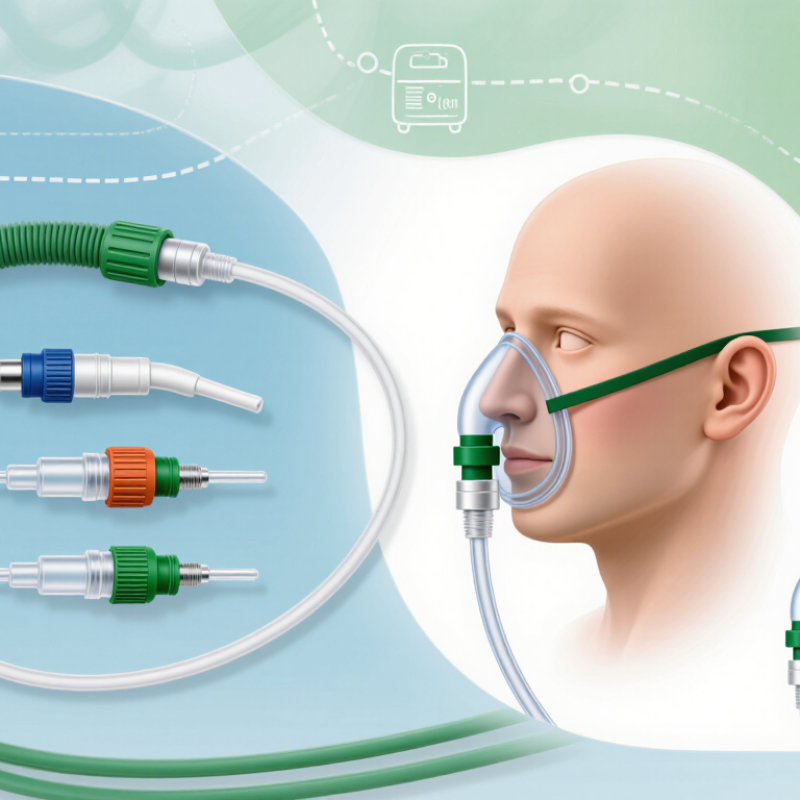
How to Choose a Nasal Oxygen Cannula in 2026?

Define the Need: AARC Targets SpO₂ at 94–98% for Most Adults

How to Choose a Nasal Oxygen Cannula in 2026?

Choosing a nasal oxygen cannula starts with the oxygen target, not the tubing. AARC guidance recommends an SpO₂ of 94–98% for most adults receiving oxygen. This is a clinical target, not a number everyone should chase without advice. Some people, including those at risk of carbon dioxide retention, may need a different range. Follow the target set by the treating clinician. A cannula cannot determine the correct oxygen flow by itself.

Consider the prescribed flow, fit, and comfort. The prongs should sit gently inside the nostrils, without pinching or rubbing the skin. Check that the tubing reaches the oxygen source without pulling across the face. A pulse oximeter reading can vary with cold fingers, movement, or nail coverings, so one unexpected result may not tell the whole story. Fit matters. If oxygen levels remain outside the prescribed range, or breathing worsens, contact a healthcare professional rather than changing the flow yourself. Small details count, and comfort alone does not confirm adequate oxygen delivery.

Tips: Keep the cannula clean and check tubing for kinks. Recheck fit after meals or movement. Note the reading, symptoms, and prescribed flow when seeking clinical advice. I might be tempted to adjust it for a better number; that is worth pausing over.

Match Flow to Device: Standard Cannulas Deliver About 1–6 L/min

How to Choose a Nasal Oxygen Cannula in 2026?

Standard nasal cannulas usually deliver about 1–6 L/min of oxygen. This range suits many low-flow oxygen prescriptions, but it does not fit every patient or situation. The correct flow should come from a qualified clinician, based on oxygen saturation, breathing effort, diagnosis, and activity level. A higher setting is not automatically better. It may cause nasal dryness, discomfort, or unnecessary oxygen exposure.

Fit matters as much as flow. The prongs should sit gently inside the nostrils, pointing downward without pressing against the septum. The tubing should rest behind the ears and under the chin, with enough slack for normal head movement. Check the skin around the ears and nostrils daily. Redness, cracking, or persistent pain suggests that the cannula needs adjustment or replacement.

Small details affect real-world use. During walking, tubing can pull, kink, or disconnect from the oxygen source. Test the connection before movement. Some users need prescribed humidification, especially when dryness develops, but added moisture requires compatible equipment and clinical guidance. Never change the flow by guesswork. The 1–6 L/min label is a useful starting point, not a guarantee of delivered oxygen. Device design, breathing pattern, mouth breathing, and position can change performance. That limitation deserves more attention.

Estimate Oxygen Concentration: Low-Flow FiO₂ Rises Roughly 4% per L/min

How to Choose a Nasal Oxygen Cannula in 2026?

With low-flow oxygen, FiO₂ usually rises by roughly 4 percentage points per L/min. One litre may deliver about 24% FiO₂, while 2–4 L/min may provide approximately 28–36%. These figures are estimates, not guarantees. The British Thoracic Society Guideline for Oxygen Use in Adults (2017) stresses that patient targets should guide oxygen therapy. Breathing through the mouth, rapid ventilation, and loose prongs can reduce delivered oxygen. A cannula should feel stable without pressing painfully against the nostrils.

Choose soft, correctly sized prongs and tubing that does not pull during movement. For many adults, 1–6 L/min is typical, but higher flows require clinical supervision. Check skin behind the ears and around the nose after several hours. The American Association for Respiratory Care also emphasizes controlled oxygen delivery and regular reassessment. Pulse oximeter readings can mislead with cold fingers, poor circulation, or motion. Clinical symptoms still matter.

Tips: Start with the prescribed flow, then reassess saturation and breathing effort. Do not increase flow only because the number looks disappointing. Ask whether the patient is mouth-breathing or using shallow, rapid breaths. For patients at risk of carbon dioxide retention, the BTS commonly recommends a target range of 88–92%. Comfort matters, but comfort alone is not proof of adequate oxygenation. The 4% rule is useful, though imperfect. Reality is messier.

Compare Standard and High-Flow: HFNC Systems Can Deliver Up to 60 L/min

How to Choose a Nasal Oxygen Cannula in 2026?

Choosing a nasal oxygen cannula means matching flow, oxygen demand, comfort, and monitoring. Standard cannulas commonly deliver 1–6 L/min. High-flow nasal cannula (HFNC) systems can deliver up to 60 L/min using heated, humidified gas. AARC oxygen-therapy guidance reports that HFNC may improve comfort and reduce breathing effort in suitable acute-care patients. Flow is not everything.

For stable patients needing modest oxygen support, a standard cannula is lighter, quieter, and easier to use during mobility. HFNC becomes more relevant when conventional oxygen cannot maintain the prescribed target or respiratory effort remains high. The British Thoracic Society guideline recommends oxygen targets of 94–98% for most acutely ill adults, or 88–92% when hypercapnic respiratory failure is a concern. Targets require clinical judgment.

Check prong size, skin pressure, humidifier temperature, alarm settings, and delivered flow. Oversized prongs may cause discomfort and leaks. Undersized prongs may waste flow. Comfort matters. Record oxygen saturation, respiratory rate, work of breathing, and blood gases when indicated. Reassess after each adjustment. That step is often missed. Recent Cochrane evidence still shows uncertainty about mortality differences between oxygen-delivery methods, so device selection should remain patient-centered and protocol-based.

How to Choose a Nasal Oxygen Cannula in 2026?

Standard versus high-flow nasal cannula: comparing maximum flow capacity and potential oxygen concentration.

Standard nasal cannula

Common clinical flow settings are approximately 1–6 L/min, with an estimated FiO₂ of about 24–44%.

High-flow nasal cannula

HFNC systems can deliver heated, humidified gas at flows up to 60 L/min and can be set across an FiO₂ range of approximately 21–100%.

Selection note

Actual delivered FiO₂ depends on breathing pattern, mouth opening, respiratory demand, fit, and clinical settings. Selection should follow clinical assessment and local protocols.

Check Fit and Safety: Confirm Prescribed Flow, Comfort, and Skin Tolerance

How to Choose a Nasal Oxygen Cannula in 2026?

Choosing a nasal oxygen cannula starts with the prescribed flow rate. Confirm the setting with a qualified healthcare professional before using it. Do not increase or reduce oxygen because breathing feels different. The cannula should deliver oxygen without forcing the prongs deeply into the nostrils. A gentle position usually feels more sustainable during sleep, conversation, and light movement.

Tubing and Fit

Check the tubing for kinks, cracks, or loose connections. Oxygen flow should remain steady when you turn your head. The tubing should rest comfortably over your ears, not pull against them. Soft padding may reduce pressure, but it cannot fix an incorrect size.

Small details matter.

Daily Comfort Check

Skin tolerance deserves daily attention. Look at the nostrils, cheeks, and behind the ears for redness, dryness, soreness, or broken skin. Remove pressure and seek clinical advice if irritation persists. Clean the cannula as directed, and replace it according to professional guidance.

I sometimes overlook comfort until discomfort changes breathing habits. That is a useful warning. A device that seems acceptable for ten minutes may feel unsuitable after several hours.

Recheck the fit after walking, eating, and sleeping, because movement can shift the prongs.

FAQS

What oxygen saturation range is often used for adults receiving oxygen?

A common target is 94–98% for many adults. It is not right for everyone. Follow the range set by your clinician, especially if you have a risk of carbon dioxide retention.

How do I choose a nasal oxygen cannula?

Start with your prescribed oxygen flow and a comfortable fit. The prongs should rest gently inside your nostrils without pinching. Tubing should reach the oxygen source without pulling across your face.

What flow rate do standard nasal cannulas usually deliver?

Many standard cannulas are used at about 1–6 L/min. The correct setting depends on your prescription and health needs. The range is not a recommendation to choose your own setting.

Can I increase the oxygen flow if my reading seems low?

Do not change the flow by guesswork. One reading may be affected by cold fingers, movement, or nail coverings. If readings stay outside your prescribed range, contact a healthcare professional.

How can I check whether the cannula fits properly?

The prongs should point downward and sit gently in your nostrils, without pressing against the septum. Tubing should rest behind your ears and under your chin, with slack for normal movement. Check for rubbing.

What should I check before walking or moving around?

Look for kinks or loose connections, and make sure tubing does not pull. Recheck the fit after movement or meals. Small things matter.

What can I do about dryness or skin irritation?

Check your nostrils and the skin around your ears daily. Redness, cracking, or ongoing pain may mean the fit needs attention. Ask a clinician before adding humidification; the equipment must be compatible.

What information should I share when I ask for clinical advice?

Note your oxygen reading, symptoms, and prescribed flow. Mention whether you were moving or feeling cold when you checked. I might still be tempted to adjust the setting for a better number, but that is worth pausing over.

Conclusion

Choosing a Nasal Oxygen Cannula in 2026 begins with identifying the patient’s oxygen needs and following the prescribed target. For most adults, an SpO₂ range of 94–98% is commonly used, although individual targets may vary according to clinical condition. Standard cannulas generally support flows of about 1–6 L/min, while estimated oxygen concentration increases gradually—roughly 4% for each additional liter per minute—so flow settings should not be adjusted without professional guidance.

For patients requiring greater respiratory support, high-flow nasal oxygen systems can deliver flows of up to 60 L/min and may provide more consistent oxygen delivery and humidification. When comparing devices, consider the required flow range, oxygen concentration, humidification, and clinical setting. Proper fit is equally important: the cannula should remain securely positioned without creating excessive pressure, dryness, or skin irritation. Always confirm the prescribed flow, monitor comfort and oxygen saturation, and seek medical advice if tolerance or oxygen levels become a concern.


Alistair

Alistair

Alistair is a highly experienced marketing professional with a deep understanding of the company’s products, customers, and evolving market needs. Through years of hands-on experience, he has developed strong expertise in product positioning, content strategy, customer communication, and digital......