Sales: +91 9099 928 652 [email protected] Mon – Sat : 10:00 AM – 07:00 PM (IST)
0%

Choosing the China best Needle-Free Infusion Line supplier requires more than comparing prices. Hospitals and distributors need dependable products, documented quality, and responsive technical support. A Needle-Free Infusion Line should connect smoothly with compatible medical devices. It should also maintain secure fluid delivery during routine clinical use.

The strongest Chinese manufacturers usually demonstrate experience through stable production records, trained quality teams, and clear product specifications. Buyers should review materials, connector design, priming volume, flow performance, packaging, and sterilization methods. Factory audits can reveal practical details. Check cleanroom conditions, inspection equipment, and batch traceability. Request samples before signing a large order. Small details matter.

Do not trust impressive claims alone. Ask for relevant certifications, test reports, and regulatory documentation for the target market. Confirm whether the supplier follows an established quality management system, such as ISO 13485, when applicable. Communication also matters. A reliable supplier answers technical questions clearly and reports limitations honestly.

No supplier is perfect.

Even experienced manufacturers may face delays, material changes, or inconsistent communication. That possibility deserves attention, not fear. A careful evaluation should include corrective-action procedures, complaint handling, lead times, and after-sales support. Independent verification is valuable when available. The best choice is not always the largest factory or the lowest quotation. It is the supplier that combines tested performance, transparent evidence, and practical cooperation. This guide examines the features that can help buyers assess Chinese Needle-Free Infusion Line manufacturers with greater confidence.
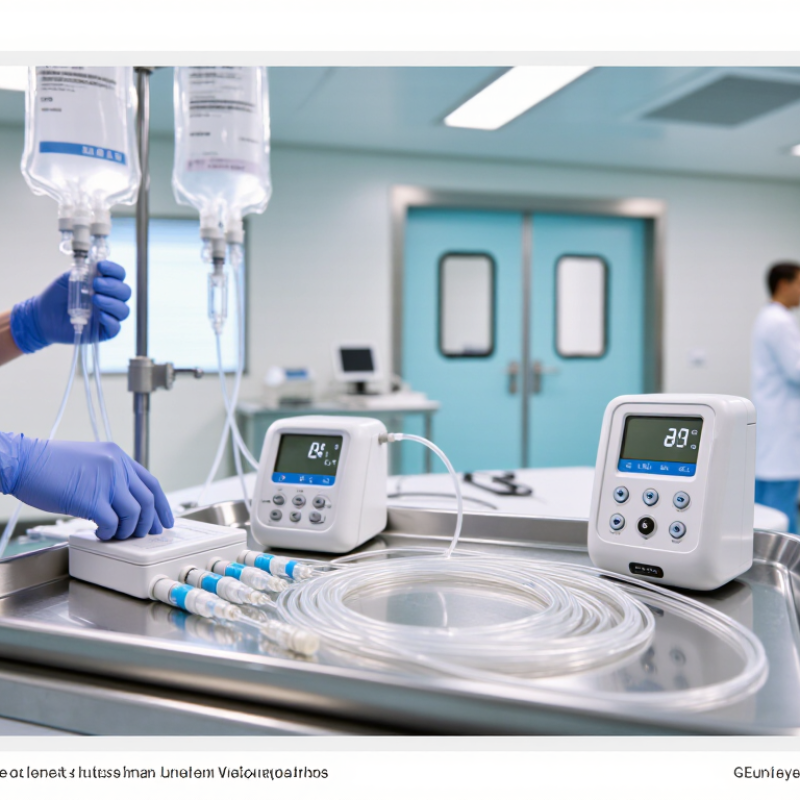
China Best Needle Free Infusion Line Supplier?

What Is a Needle-Free Infusion Line?

A needle-free infusion line is a sterile tubing system that delivers fluids or medicines without repeated needle access. It usually connects an intravenous catheter to a fluid container, pump, or syringe. The line may include extension tubing, clamps, and a needle-free connector with an internal valve.

The connector allows access with a compatible syringe or infusion set. This can reduce accidental needlestick exposure during routine treatment. It does not remove infection risk. Proper hand hygiene, disinfection, priming, and closed-system handling remain essential.

In practice, I always check the connector before use. A small crack or loose fitting can interrupt flow.

A reliable supplier should provide clear instructions, batch traceability, sterilization information, and material details. Flow rate, internal volume, pressure tolerance, and connector compatibility also deserve careful review.

The best product is not always the most complicated one. It should match the clinical setting and staff workflow. Some designs feel convenient, yet their dead space may affect low-volume medication delivery. That detail is easy to overlook.

Product testing should follow applicable medical-device requirements and local regulations. Clinicians should confirm use conditions with the official instructions, because one infusion line cannot suit every therapy.

Key Standards for Needle-Free Infusion Line Manufacturing

Choosing a needle-free infusion line supplier requires more than checking price or delivery speed. Manufacturing should follow ISO 8536-4 for infusion equipment and ISO 80369-7 for small-bore connectors. These standards address dimensions, leakage, pressure resistance, and connection compatibility. ISO 10993 testing should also evaluate biological safety, including cytotoxicity, sensitization, and irritation.

Small details matter. A reliable factory controls molding temperature, connector torque, particle levels, and seal integrity. Each production lot should have traceable records, validated sterilization, and documented environmental monitoring.

The CDC’s infection-prevention guidance recommends disinfecting access ports before every use and limiting unnecessary needleless-component replacement. Design must support that practice, not obstruct it. Simple geometry helps.

The WHO Global report on infection prevention and control, published in 2022, estimated healthcare-associated infections in about 7% of acute-care patients in high-income countries and 15% in low- and middle-income countries. This makes contamination control a manufacturing priority, not a marketing phrase. Supplier audits should review failure rates, complaint trends, and corrective actions. A perfect factory does not exist. However, vague test records are unacceptable. One overlooked burr, weak membrane, or incomplete sterilization cycle can create clinical risk. Teams should verify independent test reports, not trust polished brochures alone.

How to Evaluate Chinese Needle-Free Infusion Line Suppliers

China Best Needle Free Infusion Line Supplier?

Choosing the best Chinese needle-free infusion line supplier requires more than comparing prices. A reliable evaluation begins with documented manufacturing experience and medical device expertise. Ask for quality certificates, product specifications, validation records, and recent test reports. These documents should match the exact model offered. Check whether production follows a controlled quality system, such as ISO 13485. Small documentation gaps matter.

Request samples from multiple production lots. Inspect connector fit, clamp movement, tube clarity, and package integrity. A syringe connection should feel secure, not forced. Run leakage and pressure tests under realistic handling conditions. Check priming volume, dead space, flow performance, and particulate control. Review sterilization records and shelf-life data carefully. One sample is not enough. Mass production may reveal weaknesses that a perfect sample hides.

Supplier credibility also depends on traceability and communication. During an audit, observe cleanroom behavior, incoming material checks, and final inspection records. Ask how nonconforming products are isolated and investigated. Clear answers usually show stronger process control. Assess lead times, production capacity, packaging protection, and response speed before signing an agreement. A low quotation can hide testing, freight, or rework costs. I would also compare written promises with factory evidence. That weakness deserves attention. A capable supplier should explain limitations instead of making every result sound perfect.

Essential Quality and Safety Checks Before Ordering

China Best Needle Free Infusion Line Supplier?

Before ordering a needle-free infusion line, inspect safety evidence rather than relying on a polished certificate. WHO’s 2022 Global Report on Infection Prevention and Control reports healthcare-associated infections in 7 of 100 acute-care patients in high-income countries. The rate rises to 15 of 100 in low- and middle-income countries. Material selection matters. Request documents for medical-grade polymers, biocompatibility, endotoxin limits, and sterilization validation.

Check every connection point. The line should resist leakage, cracking, air entry, and accidental disconnection during handling. Ask for pressure, tensile, flow-rate, particulate, and microbial barrier test results. Relevant requirements may include ISO 8536-4 for infusion equipment and ISO 80369-7 for small-bore connectors. Confirm the exact scope. A standard number alone proves little. WHO’s injection safety guidance estimates unsafe injections caused 1.67 million hepatitis B infections, 315,000 hepatitis C infections, and 33,000 HIV infections annually in earlier global assessments.

Do not approve only from factory samples. Request samples from regular production batches, then test them after simulated transport, storage, repeated access, and temperature changes. Inspect the sterile pouch closely. Weak seals, unclear labels, or missing lot traceability deserve rejection. An audit should review cleanroom controls, calibration records, complaint handling, and recall procedures. No checklist is perfect. I would still ask an independent laboratory to verify critical claims before placing a large order.

How to Select the Best Supplier for Your Medical Application

China Best Needle Free Infusion Line Supplier?

Selecting the best supplier starts with your medical application, not a sales ranking. A neonatal line may need lower priming volume and gentle flow control. An oncology application may require verified material compatibility and secure connections. In practical evaluations, I review pressure performance, leakage resistance, connector design, dead space, and sterilization records. I also ask whether the supplier can provide lot traceability and consistent inspection data. A polished brochure is not enough.

Tips: Request representative samples. Test them with your actual pumps, fluids, and accessories. Check every connection under expected pressure. Ask for ISO 13485 certification, biocompatibility evidence, sterility validation, and clear technical files. Confirm production capacity before approving a supplier. Small details matter.

Communication quality reveals operational maturity. Can the technical team explain failure limits without vague promises? Can they adjust packaging, tubing length, or connector options responsibly? During sample testing, record priming time, flow stability, and handling comfort. Do not judge only one batch. That would be a weak decision. Review multiple lots when possible, because manufacturing variation can appear after approval. A reliable supplier should support change control, complaint investigation, and documented corrective actions. Price still matters, but an inexpensive line may create hidden costs through delays, waste, or repeated testing. The strongest choice is the supplier whose evidence matches your clinical workflow.

How to Select the Best Needle-Free Infusion Line Supplier

A practical 100-point procurement scorecard for comparing needle-free infusion line suppliers without relying on company or brand data.

Regulatory compliance and sterility assurance should receive the highest priority because infusion lines are sterile, patient-contact medical devices. Connector safety, flow performance, material compatibility, and supply continuity should then be reviewed against the intended clinical application and purchasing requirements.

FAQS

What is a needle-free infusion line?

It is sterile tubing for delivering fluids or medicines without repeated needle access. It connects an intravenous catheter with a container, pump, or syringe. It may include clamps, extension tubing, and an internal-valve connector.

Does a needle-free connector remove infection risk?

No, it only reduces routine needle-access exposure. Hand hygiene, connector disinfection, proper priming, and closed-system handling remain necessary. Infection risk remains.

What should be checked before using the infusion line?

Inspect the connector, tubing, clamps, and package. Look for cracks, loose fittings, cloudy tubing, or damaged seals. A small defect can interrupt flow.

How can a supplier’s product quality be evaluated?

Request exact-model specifications, quality certificates, validation records, and recent test reports. Review sterilization information, material details, shelf-life data, and lot traceability. Documentation gaps matter.

Are product samples enough for supplier evaluation?

No. Test samples from several production lots when possible. Check leakage, pressure tolerance, flow stability, connector fit, and package integrity. One perfect sample can mislead.

Which technical details deserve close attention?

Review priming volume, dead space, internal volume, flow rate, and pressure performance. Confirm connector compatibility with your pumps, syringes, fluids, and accessories. Small volumes matter.

How should a supplier be assessed beyond price?

Observe cleanroom practices, incoming-material checks, final inspections, and nonconforming-product controls. Compare promised lead times with production evidence. A low quotation may hide freight, testing, or rework costs.

How can a supplier match a specific medical application?

Start with the actual clinical workflow, not a sales ranking. Different applications may need gentle flow, low priming volume, secure connections, or verified material compatibility. Test the line under expected conditions. I may still miss something without repeated testing.

What ongoing support should a reliable supplier provide?

The supplier should support change control, complaint investigation, and documented corrective actions. Technical staff should explain limitations clearly. Perfect promises deserve caution.

Conclusion

Choosing the best Needle-Free Infusion Line supplier requires more than comparing prices. A needle-free infusion line is designed to deliver fluids or medications while reducing the need for repeated needle access, helping improve workflow and user safety. Reliable manufacturing should follow recognized quality management and medical device standards, with strict controls for material selection, biocompatibility, cleanliness, sterility, connection security, flow performance, and leak resistance.

When evaluating suppliers in China, buyers should review certifications, production capabilities, quality control procedures, testing records, and experience with international regulatory requirements. Before ordering, request samples and verify dimensions, compatibility, packaging integrity, sterilization validation, shelf life, and batch traceability. The ideal supplier should also provide consistent communication, technical support, customization options, and dependable delivery. Most importantly, the final choice should match the intended medical application, fluid type, connection system, and clinical operating environment. A careful, evidence-based evaluation can help reduce safety risks and support long-term product reliability.


Seraphina

Seraphina

Seraphina is a highly skilled marketing professional dedicated to helping businesses understand products, markets, and customers with clarity and confidence. With extensive knowledge of the company’s solutions, she transforms complex product features into practical insights that support informed......